The „Managed Opposition” Paradox
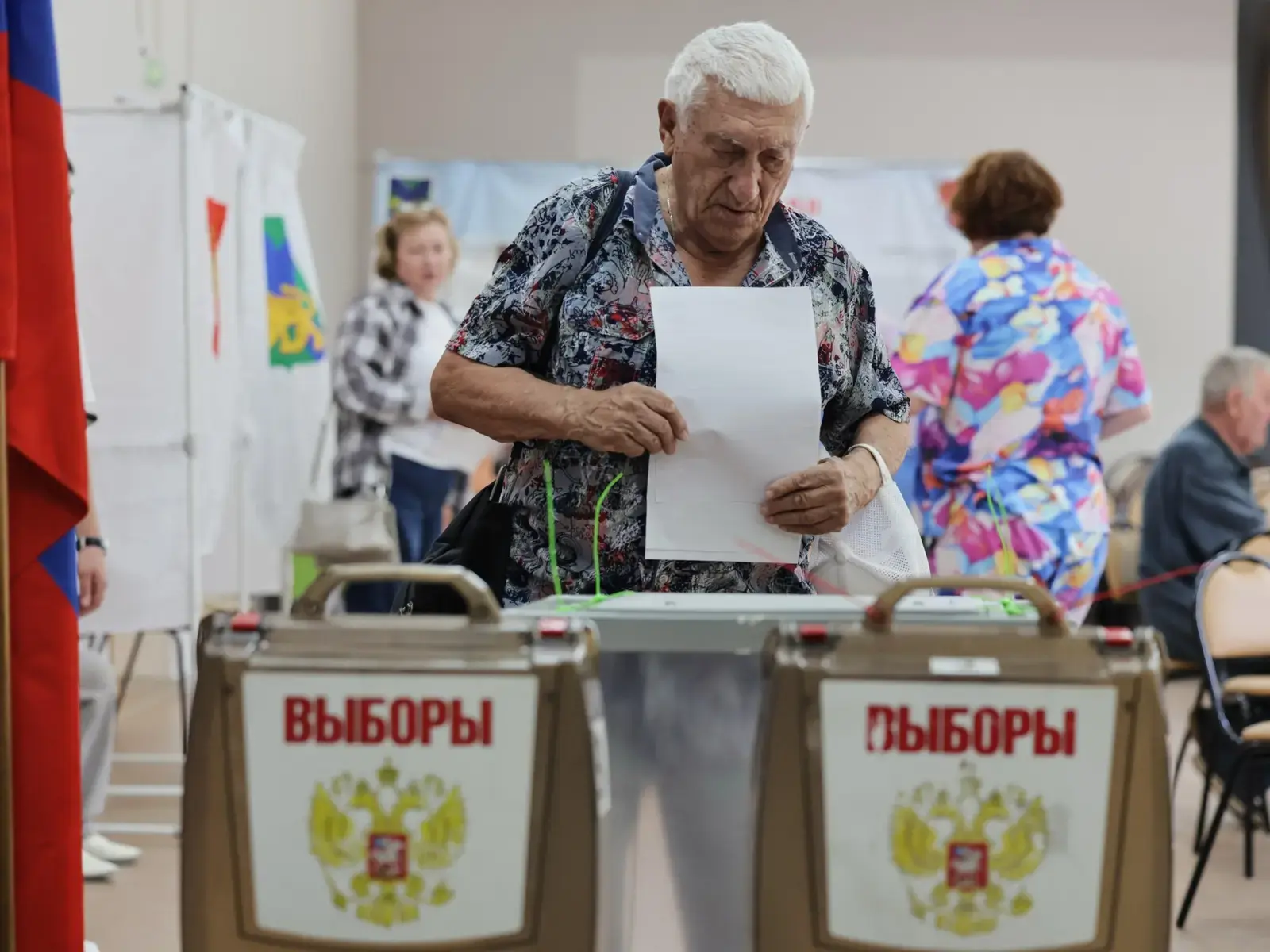
The 2026 Russian parliamentary election drew a heavy pre‑election clampdown from authorities. They feared a protest vote could upset the status quo and threatened to undermine the ruling party’s control.
Latest news
 Birmingham University Launches Online Master to Shape Global Business Leaders
 Pacific Island Policy Hinges on Personal Relationships
 Russians Vote in Parliamentary Elections With No Anti-War or Anti-Putin Parties on Ballot
 Revolut Considers Dual Listing in New York and London for Upcoming IPO
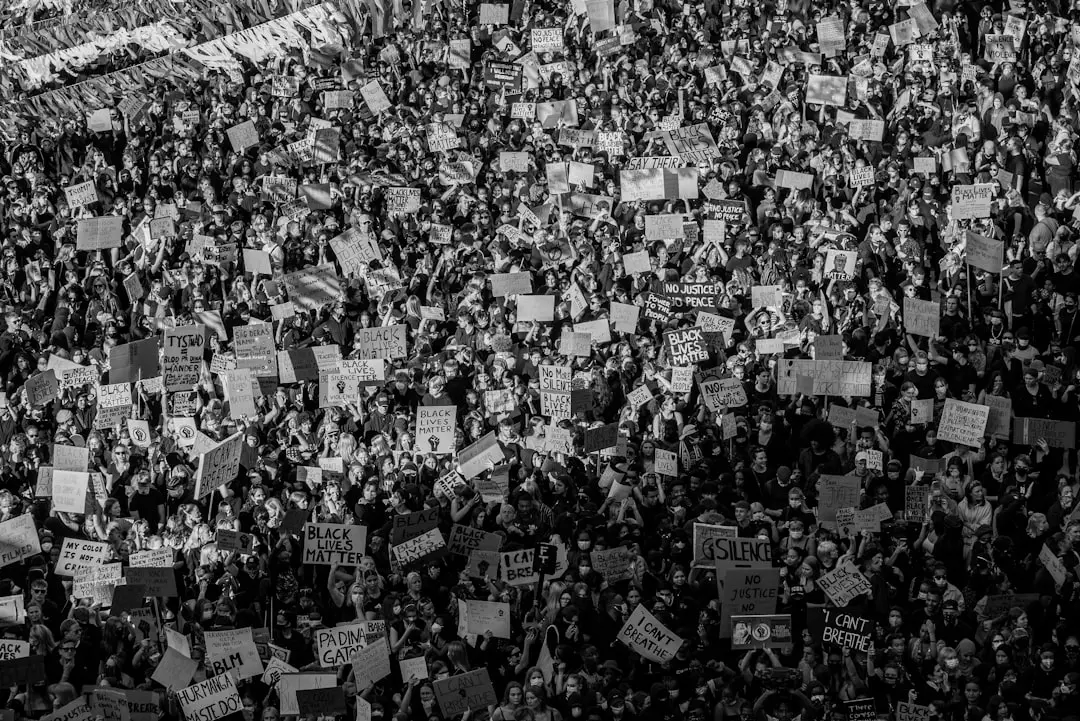
The crackdown began weeks before the Duma polls, targeting opposition rallies, independent media outlets, and street activists. Police and security forces increased patrols in key districts, and several opposition candidates were detained on technical charges. The government also tightened internet censorship, blocking protest‑related hashtags and temporarily shutting down popular social‑media platforms.
Russia’s political system allows a controlled opposition to appear in elections. These opposition parties are often tolerated as a façade of pluralism, yet they are closely monitored. The authorities worry that if these parties mobilise enough voters, they could shift public sentiment and expose cracks in the ruling party’s narrative. The crackdown was a pre‑emptive move to prevent any surge in protest support that might threaten the Kremlin’s narrative of stability.
Why a Protest Vote Is a Bigger Threat Than a Scandal
The authorities claim the measures were necessary to maintain public order. They argue that large gatherings could spark chaos, especially in the wake of recent unrest in other regions. However, critics say the crackdown stifles genuine political debate and signals a lack of confidence in the ruling party’s grip.
A protest vote is not just a rejection of the current government; it signals a broader loss of legitimacy. In a system where the ruling party controls most media, a sudden shift in voter sentiment could force the government to reassess its strategy. The authorities fear that a protest vote could embolden independent civil society groups, leading to more widespread demands for reform.
The crackdown also aimed to discourage foreign influence. Intelligence agencies warned that external actors might use the election period to amplify opposition messages. By tightening controls, Russian authorities hoped to limit foreign propaganda and ensure the election stayed within domestic boundaries.
The Aftermath: A Fragile Peace
Following the crackdown, the election proceeded with a low turnout in several opposition‑strong districts. The ruling party secured a decisive majority, but the opposition’s vote share fell below expectations. Analysts say the crackdown may have dampened voter enthusiasm, but it also sent a clear message: dissent will not be tolerated. The long‑term consequence is a more cautious opposition that may choose to work within the system rather than risk confrontation.
The crackdown has also raised concerns about human rights. International observers noted an uptick in arrests and restrictions on free speech. While the government maintains that public safety was paramount, the episode underscores the fragile balance between control and legitimacy in Russia’s political landscape.
Frequently Asked Questions
What triggered the pre‑election crackdown? The authorities feared a protest vote that could undermine the ruling party’s dominance and feared foreign influence would amplify opposition messages.
How many opposition candidates were detained? Around fifteen opposition figures faced legal action on technical grounds, largely seen as a deterrent rather than a genuine legal pursuit.
Will this crackdown affect future elections? It is likely to set a precedent for tighter controls, making future opposition participation more constrained and reducing the likelihood of protest voting.