
A Fragile Calm in the Region
The US and Iran have not exchanged strikes for 48 hours, a rare lull in the escalating conflict. Fighting between Yemen's Houthis and Saudi Arabia continues. The calm comes after a series of attacks and counterattacks between the US and Iran.
Latest news
 South Africans Mark Femicide Victims in Emotional Cape Town Vigil
 Russians flee ahead of election results, fearing forced mobilisation
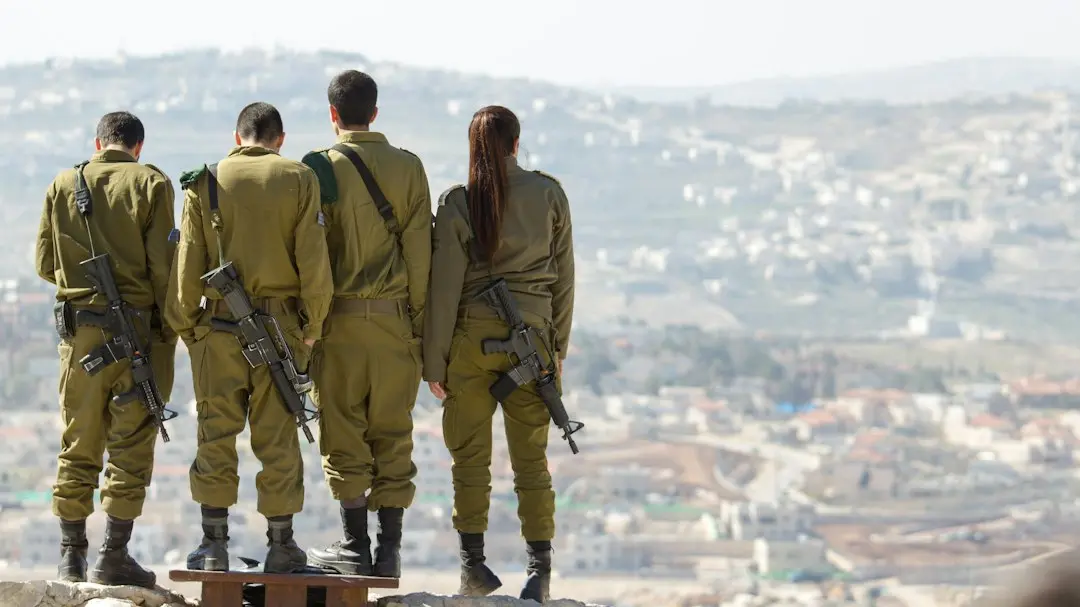 Israeli Forces Conduct Demolitions in Southern Lebanon, Hospital Set Ablaze
 Fear of AI Job Losses Now Outweighs Hope for New Opportunities, Study Shows
The Houthis' involvement has added complexity to the situation, with their attacks on Saudi Arabia drawing in other regional players. Iran has backed the Houthis in their fight against the Saudi-led coalition. The US has been supporting Saudi Arabia.
Tensions have been running high since a drone attack on a US military base was blamed on Iran-backed forces. The US responded with strikes on Iranian targets. Iran retaliated with missile strikes on US forces in the region.
Will the Calm Hold Amid Rising Tensions?
The situation remains volatile, with both sides capable of escalating the conflict further. Military leaders on both sides are on high alert.
The consequences of a prolonged conflict would be severe, with global oil prices potentially skyrocketing and regional instability increasing. A return to diplomacy is seen as the best way to prevent further escalation.
Frequently Asked Questions
What triggered the latest US-Iran conflict? The conflict escalated after a drone attack on a US military base was blamed on Iran-backed forces.
How have other countries been affected by the conflict? Saudi Arabia has been drawn into the conflict due to its fight against Yemen's Houthis, who are backed by Iran.
What are the potential consequences of a prolonged conflict? Global oil prices could rise sharply, and regional instability could increase, potentially drawing in other countries.