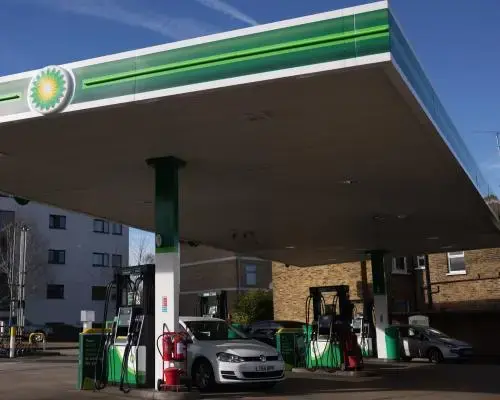
Market Skepticism Drives Persistent Price Volatility
September 2, 2026, marked a pivotal moment in global energy markets. President Donald Trump attempted to leverage his signature deal-making skills to resolve ongoing tensions with Iran. Despite these diplomatic efforts, crude oil prices continued their upward trajectory. Investors remained skeptical about the durability of any potential agreement. The market reaction highlighted persistent uncertainty surrounding Middle East stability. This disconnect between political rhetoric and financial reality defined the day’s trading session.
Latest news
 Anthropic Announces $31 Billion Data Centre Deal in Western Queensland
 Veteran Journalist Hugh Riminton Announces Retirement After Nearly Five Decades
 How the 1980s Permanently Shaped America
 Victorian Police Gain Random Stop-and-Search Powers Under New Jacks Law
The White House pushed for a swift resolution to de-escalate hostilities. Officials argued that a structured framework could secure stable supply routes. However, traders focused on physical inventory levels and shipping risks. The perceived gap between policy goals and market fundamentals kept pressure on prices. Analysts noted that historical precedents suggest slow progress in such complex negotiations. The immediate impact was a sustained rise in benchmark crude contracts.
Will Diplomatic Breakthroughs Alter the Energy Landscape?
Financial experts emphasized that oil markets react to tangible changes rather than verbal assurances. The lack of immediate implementation details fueled caution among buyers. Supply chain disruptions remained a primary concern for energy importers. Consequently, hedging strategies favored long positions over short bets. The volatility index for energy sectors climbed significantly during the morning session. Traders awaited concrete evidence of reduced friction at key chokepoints. Without visible progress, premium pricing persisted across all major benchmarks.
The core question remains whether diplomatic channels can outpace market forces. Historical data indicates that geopolitical shocks often leave lasting scars on price structures. Even minor setbacks in talks can trigger sharp reversals in sentiment. For now, the balance of power favors those holding physical assets. The interplay between negotiation outcomes and commodity flows will dictate future trends. Stakeholders monitor every development closely for signs of genuine progress.
Frequently Asked Questions
Why did oil prices rise despite diplomatic efforts? Traders viewed the negotiations as preliminary without guaranteed outcomes. Physical supply constraints and risk premiums remained dominant factors driving costs higher.
How does this affect global energy consumers? Higher crude prices typically translate into increased fuel and heating costs. Industries reliant on petrochemicals face tighter profit margins in the near term.