The Stage as a Time Machine
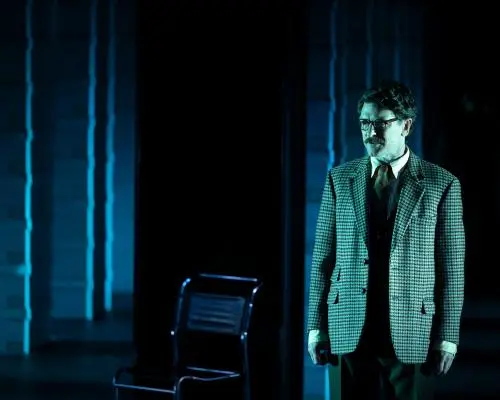
The new Australian play Eliza opened last night at Sydney’s Griffin Theatre, tackling the early days of artificial intelligence through the lens of the 1960s chatbot that bore its name. Directed by Maya Liao and starring a talented ensemble, the production explores how the quest to create thinking machines reshaped society’s hopes and fears. The show runs through December, offering audiences a rare theatrical glimpse into the origins of a technology that now permeates daily life.
Latest news
 Student Protests Sweep Across France Amid Rising Tensions
 Bulldozers Eradicate Ancient West Bank Groves
 Global Trade Friction Deepens at G20
 Morocco Appoints First Female Prime Minister in Historic Shift
Writing a drama about a rapidly evolving obsession like AI is a daunting task. Playwright Samir Patel sidestepped the problem by anchoring the story at the moment the first conversational program was unveiled. By fixing the narrative in the 1960s, he creates a stable backdrop while still resonating with contemporary concerns about ethics, control, and humanity’s relationship with machines. The script weaves archival footage, live coding demonstrations, and personal stories of the engineers behind the original Eliza, highlighting both the optimism and the unease that accompanied the early experiments.
The production’s set mimics a cramped university lab, complete with humming mainframes and flickering cathode‑ray tubes. Lighting shifts from warm amber during nostalgic recollections to stark white when the code runs, underscoring the tension between human imagination and cold computation. „We wanted the audience to feel the claustrophobia of those early rooms,” said Liao, noting how the cramped space mirrors the limited understanding of AI at the time. Actors deliver their lines with a precise, almost mechanical cadence, echoing the chatbot’s scripted responses. Yet, despite the polished performances, critics note a lingering emotional distance; the characters often feel like avatars rather than fully fleshed people, reflecting the very disconnect the play examines.
Does the Play Capture the Real Angst Behind AI’s Rise?
While the technical aspects of the production are impressive, some reviewers argue that the emotional core is missing. „The cast is superb, but the feelings remain on the surface,” observed theatre blogger Jenna Morales. The playwright’s choice to prioritize intellectual debate over personal drama results in a work that feels more like a lecture than a lived experience. Nonetheless, moments of vulnerability emerge when the characters confront the moral implications of their creation. In one scene, a young programmer confesses to a colleague that he fears the program might outgrow its intended purpose, a line that resonated deeply with audience members aware of today’s AI controversies.
The play’s reception suggests a growing appetite for art that interrogates technology’s role in society. As AI continues to infiltrate education, healthcare, and entertainment, Eliza offers a timely reminder that the questions raised half a century ago remain unresolved. Future productions may choose to blend the historical with the personal more seamlessly, ensuring that the audience not only understands the origins of AI but also feels its impact on the human condition.
Frequently Asked Questions
Is Eliza based on a true historical event? Yes, the play draws on the development of the 1966 ELIZA program by MIT researcher Joseph Weizenbaum, one of the first attempts at natural‑language processing.
Will the play be performed outside Australia? The producers have announced plans to tour major cities in the United Kingdom and North America later next year, pending venue availability.
Do I need prior knowledge of AI to enjoy the show? No. The narrative is crafted to be accessible, using personal stories and visual cues to explain technical concepts without requiring a background in computer science.