Integrating AI and Jet Propulsion into the Arsenal
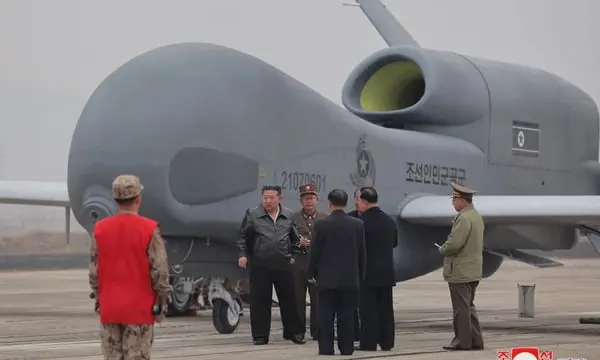
North Korea is set to deepen its military cooperation with Russia by acquiring next-generation drone systems. The Pyongyang regime, which currently relies on basic Russian technology, aims to upgrade its aerial arsenal. This expansion includes autonomous units equipped with artificial intelligence and high-speed jet-powered platforms. The move signals a significant shift in the alliance between the two nations.
Latest news
 Swedish Voters Choose New Parliament as Left-Wing Coalition Projects to Win Majority
 Trump Announces End of US Tariff on Irish Whisky
 Frances Stonor Saunders, Author of CIA Cultural Espionage Exposé, Dies at 66
 Israel and Lebanon to Hold Security Talks in Rome This October
The partnership represents a critical evolution in North Korea’s defense strategy. While the country has long depended on imported hardware, this new phase focuses on sophisticated capabilities. Russian engineers are assisting in the transfer of complex systems that go beyond simple surveillance or reconnaissance tools. The goal is to create a versatile fleet capable of striking deep into enemy territory with minimal human intervention.
The most notable features of the incoming technology are autonomy and speed. Traditional propeller-driven drones often face limitations in range and payload capacity. Jet-powered models overcome these barriers, allowing for faster deployment and heavier weapon loads. Furthermore, the integration of artificial intelligence enables these aircraft to make real-time tactical decisions. They can identify targets, navigate obstacles, and adjust flight paths without constant operator input. This reduces the cognitive load on pilots and increases the overall efficiency of the strike package.
How Does This Shift Alter Regional Security Dynamics?
North Korea has historically struggled with the reliability of its own electronic components. By leveraging Russian expertise, the regime hopes to bypass decades of development hurdles. The technology transfer is not just about buying finished products; it involves understanding the underlying mechanics. This knowledge allows local engineers to maintain and potentially modify the systems for future needs. The collaboration strengthens the technical backbone of the Korean People’s Army Air Force.
The introduction of these advanced drones changes the strategic calculus in the region. Neighbors must now account for faster, smarter aerial threats. Previous assessments suggested that North Korea’s air power was limited to older, slower platforms. The arrival of jet-powered, AI-guided units complicates defense planning for South Korea and Japan. These new assets can penetrate air defenses more effectively than their predecessors. They offer a low-cost alternative to traditional fighter jets for both offensive and defensive operations.
The alliance also serves a dual purpose for Moscow. Russia gains a reliable partner in the Pacific while sharing surplus or specialized technologies. In exchange, North Korea receives the modernization it desperately needs. This symbiotic relationship reduces the isolation of both states. It creates a unified front against Western naval dominance in the area. The flow of technology ensures that North Korea remains a formidable player in regional conflicts.
Frequently Asked Questions
What specific technologies are being transferred? The primary focus is on autonomous drones powered by jet engines. These systems utilize artificial intelligence for navigation and target acquisition. They represent a leap from the basic propeller-driven models previously used by the regime.
Why is this partnership significant for North Korea? It provides access to advanced engineering without requiring domestic R&D breakthroughs. The technology enhances the speed, range, and intelligence of their aerial fleet. This closes the capability gap with neighboring military powers.
Does this change the balance of power in Asia? Yes, it introduces faster and more autonomous threats to the region. Defense strategies must now account for high-speed, AI-guided strikes. The dynamic shifts from static deterrence to active, agile aerial combat.