What Role Did Interest Rates Play in the Rally?
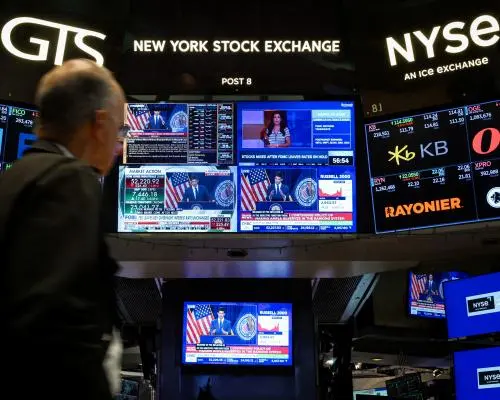
The S&P 500 closed above 7,800 for the first time in history, marking a record high as investor optimism grew despite mixed economic signals. The Nasdaq also climbed, supported by strong performance from technology stocks tied to artificial intelligence. This rally occurred alongside a decline in U. S. Treasury yields, which eased pressure on equity valuations. The gains were broad-based, with multiple sectors contributing to the upward momentum in major U. S. indices.
Latest news
 French Students Face Harsh Crackdown During Nationwide School Protests
 Coalition Admits Immigration Policy Lacks Full Independent Costing
 Tony Wilson and the Factory Records Legacy Return to Cinemas
 Israel Marks Three Years Since the October 7 Hamas Attacks
AI Chipmaker Rally Fuels Market Optimism The surge in the S&P 500 and Nasdaq was largely driven by renewed investor enthusiasm for companies involved in AI chip production. Firms at the forefront of semiconductor innovation saw increased buying interest, reflecting confidence in long-term demand for AI infrastructure. While the Dow Jones Industrial Average remains slightly below its August peak, it still posted a modest gain, indicating widespread market participation. Lower Treasury yields reduced the opportunity cost of holding stocks, making equities more attractive relative to bonds.
Can the Market Sustain These Levels Going Forward?
Declining U. S. Treasury yields played a supporting role in the market’s ascent, as lower bond returns often shift investor focus toward stocks. The dip in yields came amid expectations of a more cautious approach to monetary tightening by the Federal Reserve. This environment reduced financing costs for corporations and improved the relative appeal of dividend-paying and growth stocks. Analysts noted that the combination of tech strength and favorable rate dynamics created a powerful tailwind for equities.
Maintaining current record levels will depend on continued earnings growth, particularly from AI-related companies, and the trajectory of inflation and interest rates. Any resurgence in yield pressures or disappointing corporate results could test the recent gains. However, if AI investment continues to expand across industries, it may provide a durable foundation for market strength. Investors remain watchful for upcoming economic data and central bank signals that could influence sentiment.
What caused the S&P 500 to surpass 7,800 for the first time? The index rose due to strong gains in AI chipmaker stocks and a decline in U. S. Treasury yields, which together boosted investor confidence and drove broad market buying.
Frequently Asked Questions
Why did the Nasdaq perform well alongside the S&P 500? The Nasdaq benefited from its heavy weighting in technology companies, many of which are directly involved in AI development and semiconductor manufacturing, sectors that saw heightened investor interest.
Is the Dow Jones also at a record high? No, the Dow Jones Industrial Average remains slightly below its August record high, though it still rose during the same session, reflecting partial participation in the broader market rally.