A Moment of Presidential Frustration
US President Donald Trump displayed visible frustration during a recent White House event when he sharply instructed a reporter to remain quiet. The incident occurred while the president was addressing the press corps. He interrupted the flow of the briefing to correct the journalist’s behavior. This moment highlighted the often tense dynamic between the administration and media representatives. The exchange drew immediate attention from onlookers and digital observers.
Latest news
 Macron Warns Protesters Against Causing Chaos During Cost-of-Living Demonstrations
 UK Climate Activists Rally Against New North Sea Gas Drilling Approval
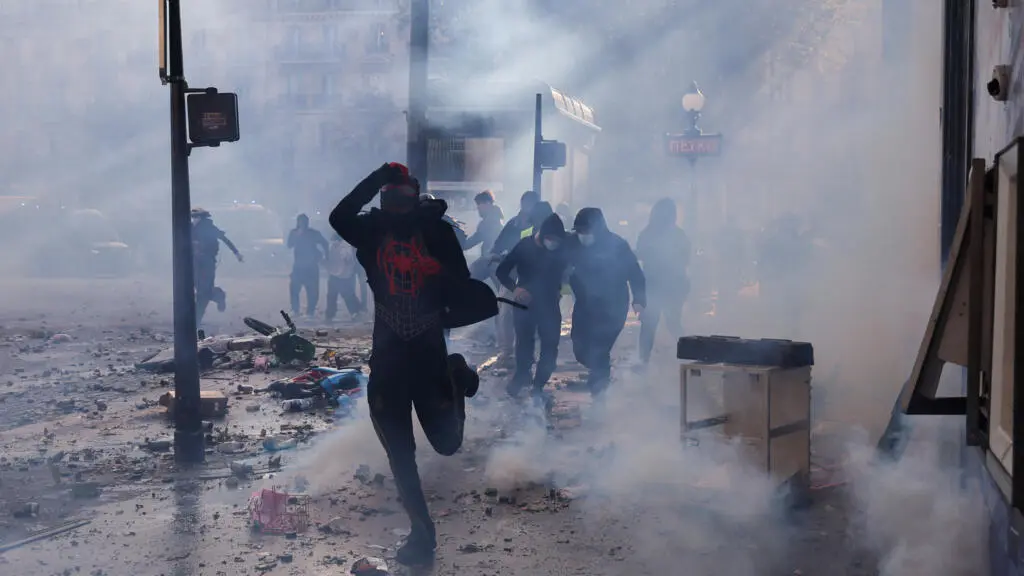 Paris court opens trials for suspects in October 17 unrest
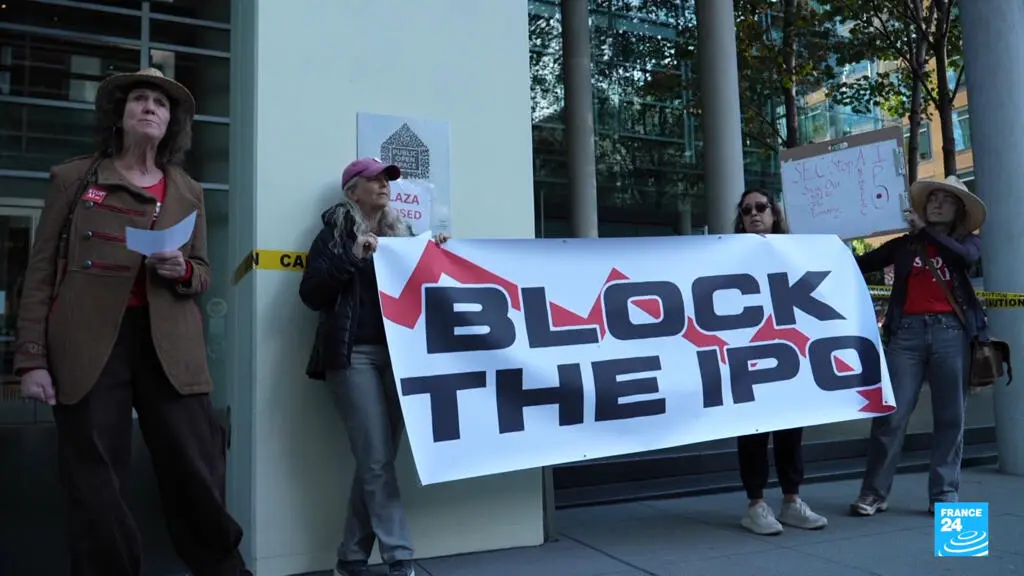 Silicon Valley AI Boom Sparks Widespread US Protests
The confrontation began when a member of the press attempted to pose a question. Trump stopped mid-sentence and directed his gaze toward the individual. He used firm language to command the reporter to stop speaking. The president’s tone shifted abruptly from conversational to authoritative. Witnesses noted that his facial expression reflected irritation. The interruption lasted only a few seconds but captured significant public interest. It underscored the president’s preference for controlling the narrative during live interactions.
The specific interaction reveals how Trump manages complex press engagements. He frequently prioritizes his own talking points over spontaneous inquiries. When a question disrupts his planned message, he may cut it off immediately. This approach has become a recognizable feature of his public appearances. Critics argue that such interruptions limit the ability of journalists to probe deeper into policy issues. Supporters view it as a necessary tactic to keep briefings efficient. The visual evidence of his anger spread rapidly across social media platforms. Many users shared clips of the moment, amplifying its reach beyond traditional news cycles.
Does This Change Press Dynamics?
Trump’s relationship with the press remains a central theme in his presidency. He has historically described mainstream media as an adversary. This particular incident fits within a broader pattern of friction. Reporters often find themselves competing for airtime in crowded rooms. The physical proximity of cameras and microphones intensifies the pressure. A single outburst can define the day’s news cycle. The president’s body language played a crucial role in conveying his mood. His gestures reinforced the verbal command to stay silent. Observers analyzed these non-verbal cues to gauge the underlying sentiment.
The event prompts discussion about the future of presidential press conferences. If leaders continue to interrupt reporters, the format may evolve. Journalists might need to adapt their strategies to secure answers. They could rely more on written questions or follow-up interviews. The immediacy of television broadcasts makes every pause significant. Viewers at home witnessed the raw emotion without editing. This transparency adds a layer of authenticity to the political theater. It forces audiences to interpret the mood directly from the source. The balance between open dialogue and controlled messaging remains delicate.
Looking ahead, this incident sets a precedent for upcoming briefings. Staff members will likely prepare reporters on how to handle interruptions. They may advise patience or strategic timing for critical questions. The administration aims to maintain a professional atmosphere despite occasional flare-ups. Public perception will continue to shape the narrative around these exchanges. Whether this marks a new trend or remains an isolated event depends on future interactions. The media will closely monitor similar moments in the coming weeks. Ultimately, the power dynamics in the West Wing continue to shift with each encounter.
Frequently Asked Questions
Why did Trump interrupt the reporter? The president felt the question disrupted his scheduled remarks. He wanted to maintain control over the briefing’s pace and content.
How long did the interruption last? The exchange was brief, lasting only a few seconds. It was enough time to register clearly on video footage.
Did the reporter respond immediately? The reporter paused after being told to be quiet. They waited for an appropriate moment to resume participation.