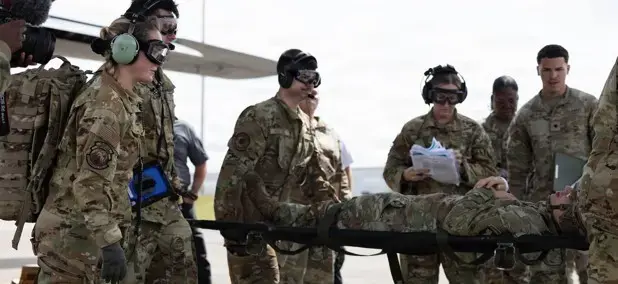
Drone Threats Expose Logistical Shortfalls
A new Inspector General report highlights significant weaknesses in U. S. military medical evacuation operations across the Middle East. The findings emerged following recent Iranian strikes on regional assets. These attacks exposed vulnerabilities in how wounded personnel are transported to safety. The review covers multiple bases and logistical hubs in the region. Officials noted that current protocols often failed under pressure. The timing of the assessment coincides with heightened tensions in the area.
Latest news
 Former CIA Analyst Speaks Out After Being Fired by the Trump Administration
 Women’s Rights Activists Rally in Paris Over Sexual Violence Legislation
 EU MEP Warns of AI Risks and Calls for Global Treaty Leadership
 Disaster insurance, datacenters, right to repair: meet the midterm candidates running on green policies
Medical experts had previously cautioned about rising risks. They predicted that drone warfare would increase battlefield casualties. This shift in combat dynamics demands faster response times. The report confirms that existing infrastructure struggled to keep pace. Personnel faced delays in receiving critical care. These delays directly impacted survival rates for injured soldiers. The system required immediate modernization to handle modern threats.
The core issue involves the speed of modern aerial threats. Drones can strike targets with little warning. Traditional medevac routes became predictable and dangerous. The audit found that ground transport options were limited. Airspace restrictions further complicated helicopter movements. Units often lacked dedicated medical aircraft nearby. This forced reliance on slower, more vulnerable ground convoys. The gap between injury and treatment widened significantly.
How Will the Military Adapt to Faster Threats?
Commanders reported difficulty securing safe corridors. Enemy fire frequently disrupted standard extraction paths. The report details specific incidents where delays occurred. In some cases, patients waited hours for transport. This period is critical for trauma care. The lack of redundancy in the system left few alternatives. When one route failed, others often did too. The result was a bottleneck in medical logistics.
The Department of Defense is reviewing its response strategies. New guidelines emphasize decentralized medical capabilities. Units must be able to stabilize patients closer to the front line. This reduces the distance needed for emergency transport. The report recommends increased investment in protected air assets. It also suggests better coordination with allied forces. Shared resources could fill gaps in coverage. Training programs now focus on rapid triage under fire.
Officials plan to test these changes in upcoming exercises. Simulations will mimic high-intensity drone attacks. The goal is to identify remaining weak points early. Feedback from field commanders will shape final policy. The aim is a resilient system that withstands surprise. No single point of failure should exist anymore.
Frequently Asked Questions
The consequences of these findings are far-reaching. Future deployments may face stricter medical readiness checks. Budget allocations might shift toward medical aviation. The broader outlook suggests a permanent change in doctrine. Speed and protection are now paramount. The military must balance mobility with safety constantly.
Why did Iranian strikes reveal these gaps? The strikes demonstrated how quickly drones can disrupt standard routes. They proved that traditional evacuation methods are too slow. The attacks forced a real-world test of emergency protocols.
What specific improvements are recommended? The report calls for more medical aircraft and better triage training. It also suggests establishing safer, pre-planned extraction corridors. These measures aim to reduce time-to-treatment significantly.