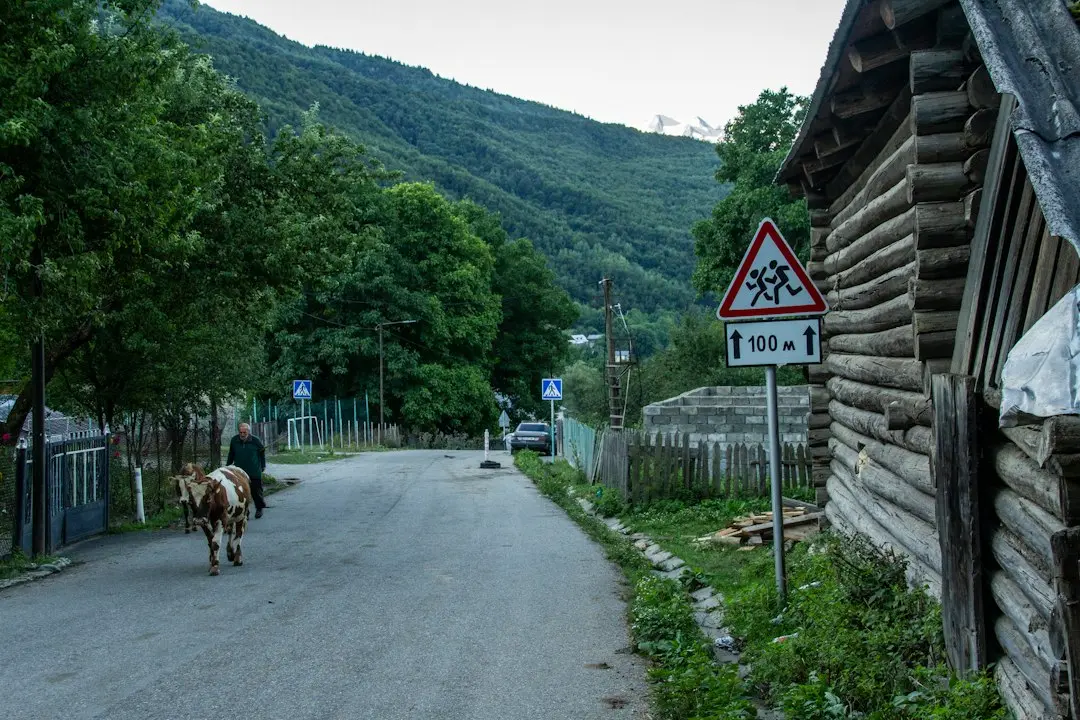
How the Arctic Corridor Agreement Works
China and Russia have agreed to expand freight traffic along Arctic corridors, signaling a new phase of cooperation in the rapidly warming north. The two nations aim to increase port services and jointly develop polar vessels. This move positions the Arctic as a strategic chokepoint where Beijing and Moscow coordinate against European influence.
Latest news
 Trump Praises Quebec Separatist Premier Amidst Trade Tensions
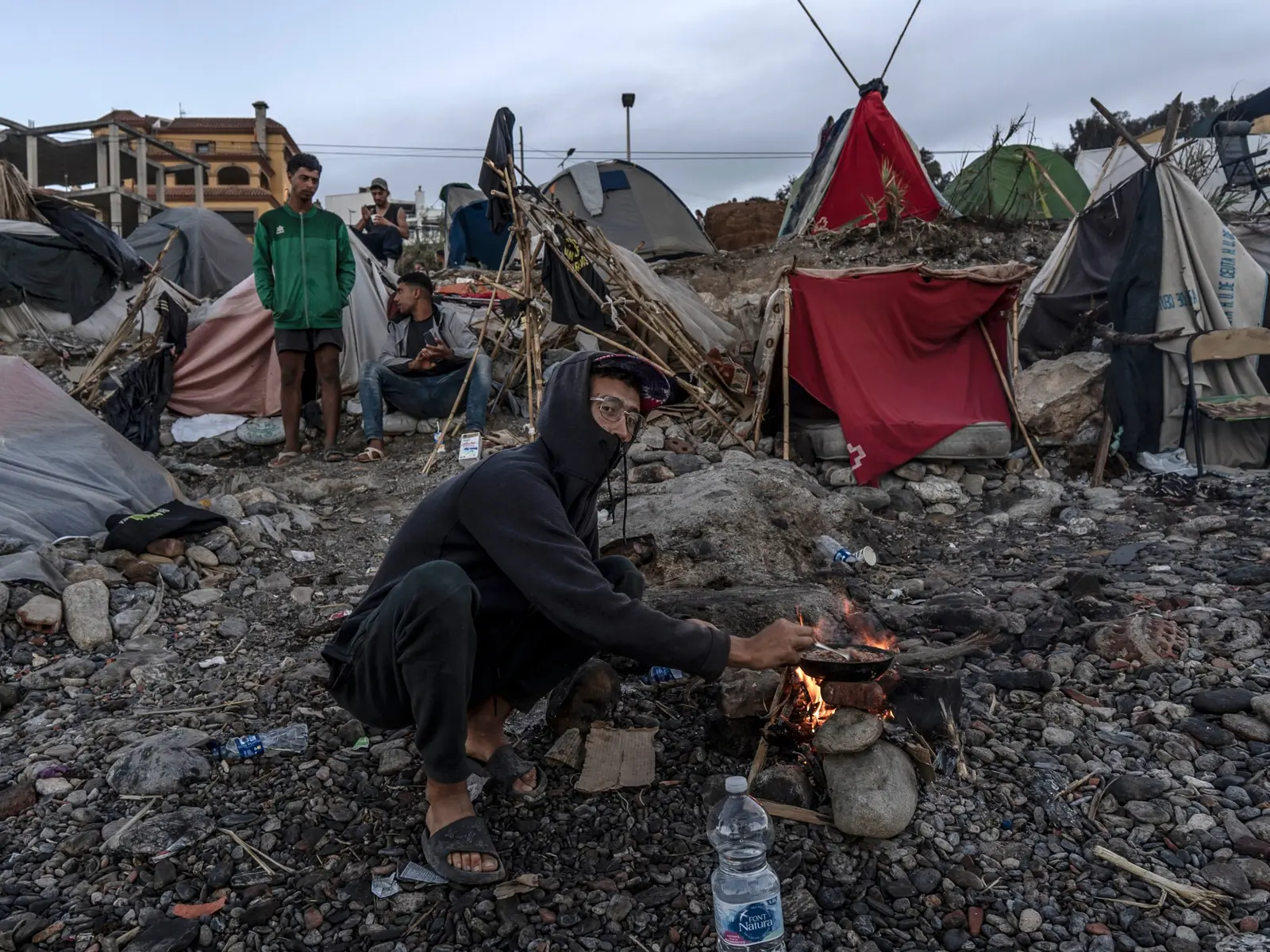 Spain Deports Migrants from Ceuta, Drawing Sharp Criticism from Rights Groups
 Federal Agents Raid Beverly Hills Home Tied to Eric Swalwell Probe
 Oriel College Told to Cancel Nathan Cofnas Event After Jason Arday's Death
The agreement was reached last week during high-level talks. Both countries see the ice-melting Arctic as an economic opportunity. Warmer temperatures are opening new sea lanes that bypass traditional Suez and Panama canals. This shifts global trade patterns and challenges Western dominance in polar logistics.
The deal covers multiple operational layers. Freight volume will rise as new routes become navigable for longer seasons. Port infrastructure upgrades are planned at key Arctic hubs. Joint research on icebreaker technology and polar ship design is part of the framework. This technical cooperation reduces reliance on European shipyards and technology providers.
What Does This Mean for Global Trade?
European leaders view the partnership with concern. The Arctic has become a proxy arena for great power competition. Russia controls the Northern Sea Route. China invests heavily in polar exploration and shipping. Together they can set standards that exclude other nations from the region's economic benefits.
The expansion of Arctic freight traffic could lower shipping costs for Asia-Europe routes. Shorter distances mean less fuel consumption and faster delivery times. However, the geopolitical risk remains high. If tensions escalate, the Arctic could become a flashpoint between the alliance and the West.
Analysts say the agreement locks in long-term commitments. Both countries are betting that climate change will make the Arctic commercially viable within a decade. This bet carries environmental risks. More ships mean more pollution and disturbance to polar ecosystems.
Frequently Asked Questions
Will the Arctic route replace Suez and Panama canals? Not immediately. The Arctic route is seasonal and requires icebreaker support. It complements existing canals rather than replacing them.
How will this affect European Arctic policy? Europe may accelerate its own Arctic initiatives to counter the China-Russia partnership. Investment in polar ports and research will likely increase.
What environmental impacts should we expect? Increased shipping brings fuel emissions, noise pollution, and potential oil spills. Polar wildlife faces greater disruption from vessel traffic.