Coalition’s Energy Reset: Cutting Renewable Incentives
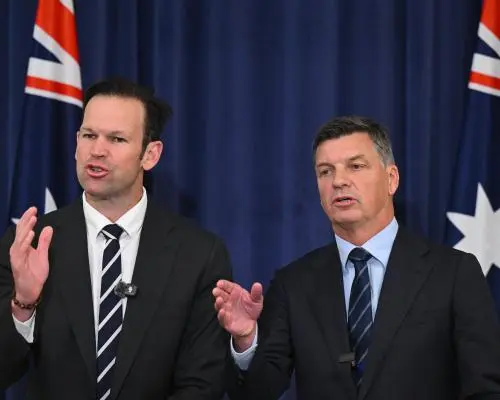
The Coalition released a statement on Wednesday asserting that Australians are demanding lower electricity costs rather than further ideological commitments. The press release, first shared with an Australian outlet as an exclusive, emphasized the party’s intent to roll back renewable energy schemes and boost fossil fuel use. The message positions the Coalition’s agenda as a response to public frustration over rising power bills.
Latest news
 Gaza Residents Face Upcoming Israeli Elections With Deep Concern and Little Hope
 Court Orders White House to Reinstate Media Credentials
 Elif Eralp Aims to Become Berlin's First Turkish‑Origin Mayor
 Pentagon spending hits historic one trillion dollar mark for first time ever
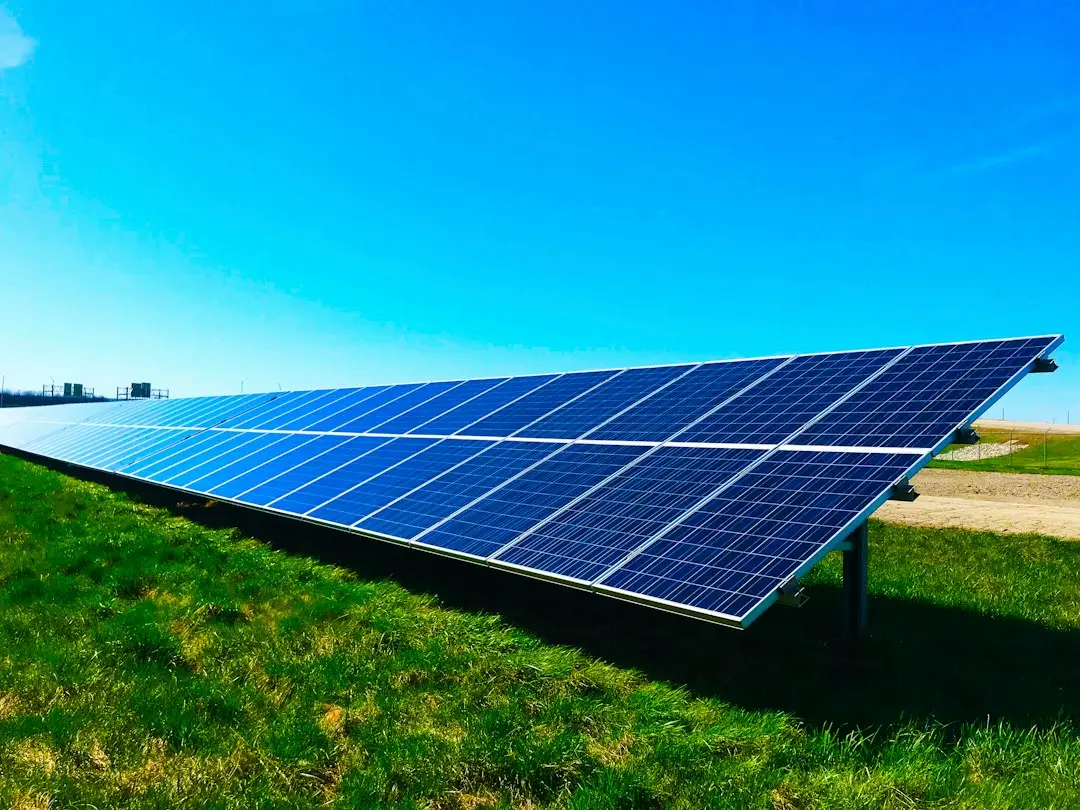
The announcement follows months of debate over the nation’s energy transition. The Coalition argues that current renewable subsidies inflate prices and hinder economic growth. By proposing to dismantle feed‑in tariffs and other support mechanisms for wind and solar projects, the government hopes to lower consumer costs. Critics say the plan ignores climate commitments and could lock the country into higher‑emission fuels. The party’s spokesperson warned that „ideology should not dictate the price Australians pay at the pump or the socket.”
The proposed policy shift targets the Renewable Energy Target (RET) and related financial incentives that have driven a surge in solar and wind installations. According to the Coalition’s briefing, removing these subsidies will reduce the cost burden on households and businesses. The party cites a recent survey where 68 % of respondents prioritized affordable electricity over environmental considerations. Energy Minister Jane Smith said the government will „streamline the market, remove unnecessary red tape, and let competition drive prices down.” Analysts note that while short‑term price relief is possible, the long‑term impact on investment in clean energy could be significant, potentially slowing progress toward the nation’s 2030 emissions goals.
Will Phasing Out Renewables Lead to Higher Fossil Fuel Use?
Opposition leaders question whether the Coalition’s strategy will simply replace one set of costs with another. They argue that eliminating renewable subsidies may increase reliance on coal and gas, which could raise wholesale electricity prices once market volatility returns. A recent report from the Australian Energy Market Operator warned that without continued investment in renewables, supply security could be compromised during peak demand periods. The Coalition counters that domestic gas production will fill any gaps, and that „energy security and affordability go hand in hand.” Environmental groups, however, warn that the move could undermine Australia’s reputation as a clean‑energy exporter and jeopardize future jobs in the green sector.
The debate is likely to shape the upcoming election, with energy policy at its core. If the Coalition proceeds, households may see modest bill reductions in the near term, but the broader implications for emissions, investment, and energy independence remain uncertain. The outcome will hinge on how quickly alternative supply sources can be scaled and whether public sentiment continues to favor price over sustainability.
Frequently Asked Questions
What specific renewable subsidies does the Coalition plan to remove? The party aims to dismantle the Renewable Energy Target, feed‑in tariffs for wind and solar, and related state‑level grants that support clean‑energy projects.
How will the policy affect electricity prices for consumers? The government expects short‑term price drops by eliminating subsidy costs, but analysts warn that reduced renewable investment could lead to higher prices later if supply gaps emerge.
Will the shift increase Australia’s carbon emissions? Potentially, yes. Reducing renewable capacity may boost reliance on coal and gas, which could raise emissions unless offset by other low‑carbon measures.