Creative resistance meets financial uncertainty
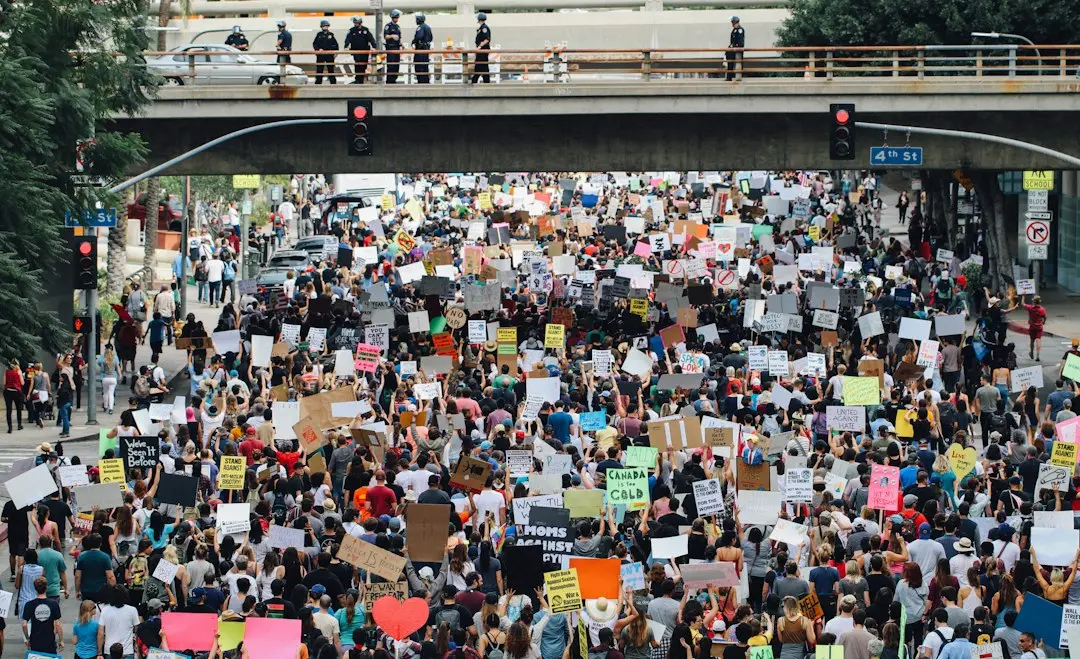
Hundreds of performers and theater students marched through the streets of Bogotá on September 22, 2026. They demonstrated against proposed reductions in Colombia’s national cultural budget. The group also protested the suspension of key funding programs. This public display highlighted the urgency of the issue for the local arts community.
Latest news
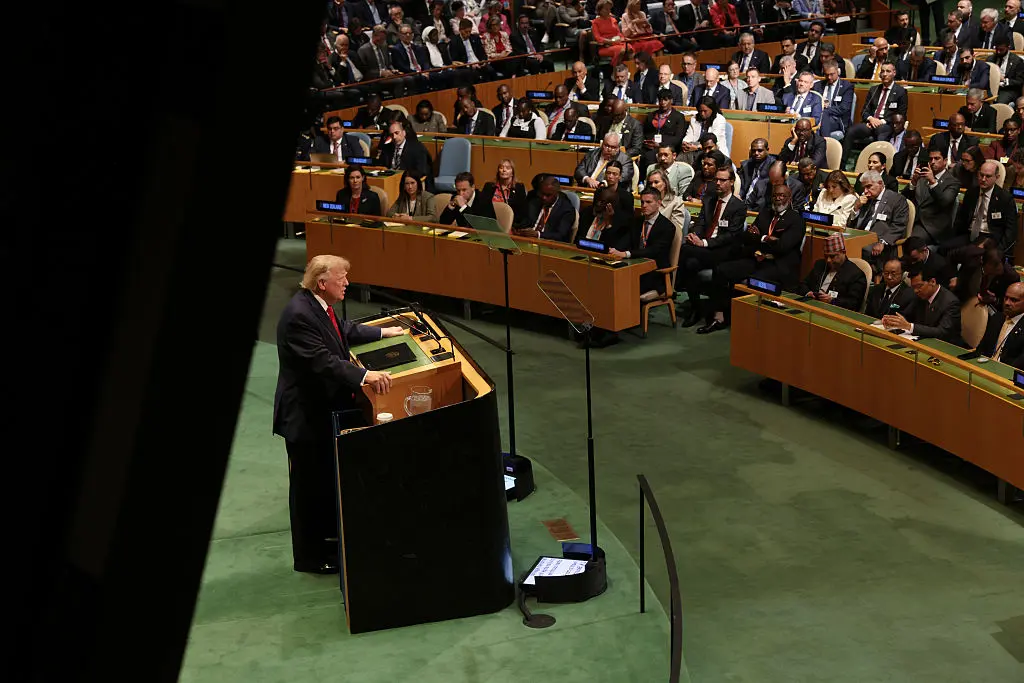 President Trump Declares Force the Path to Peace at UN Assembly
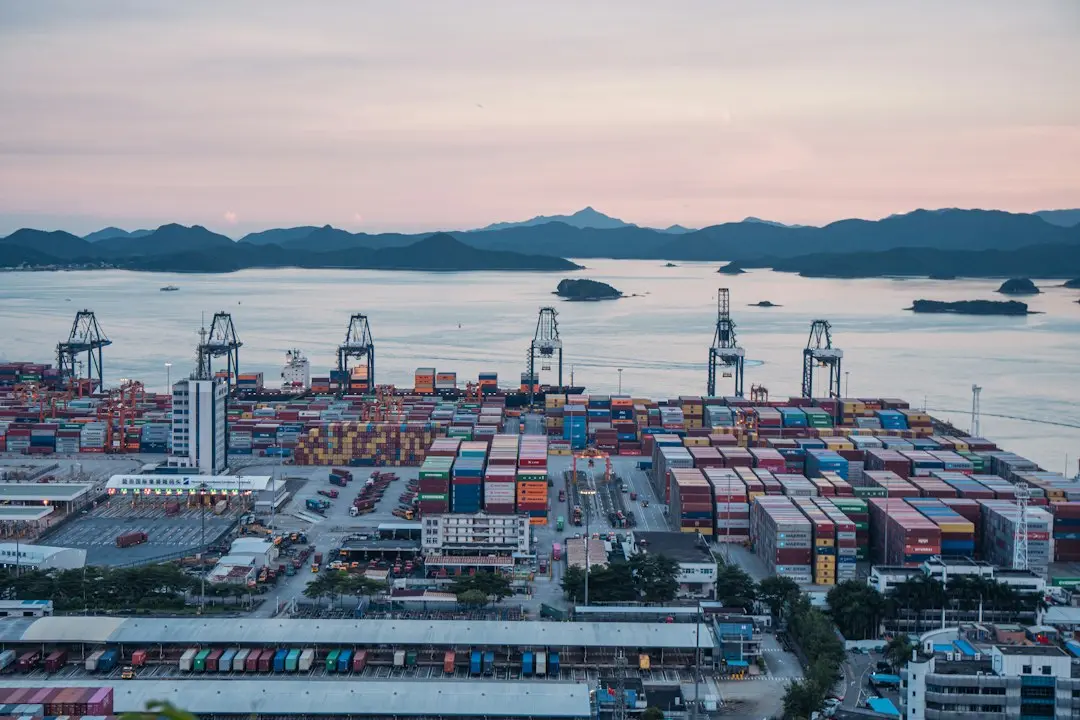 China’s Clean Energy Exports Surge Amid Iran Conflict, Boosting Xi’s Leverage in U.S. Talks
 Carney Commits $100 Million to Palestinian Aid at
 Family Claims Neglect Led to Death of Costa Rican Detainee in ICE Custody
The demonstration featured live music, contemporary dance, and puppetry performances. Participants used their craft to communicate their message directly to passersby. The event served as both a political statement and an artistic showcase. It underscored the reliance of the sector on stable government support.
The core of the protest focused on the threat posed by fiscal tightening. Organizers argued that cutting funds would devastate independent creators. Many small theaters and studios face closure without consistent grants. The suspension of specific programs left many projects stalled mid-production. Students worried about their future career prospects in the field.
Will funding priorities shift after the march?
Performers emphasized that art is not merely a luxury but a vital social pillar. They cited the role of culture in preserving Colombian identity. The march moved through central districts, drawing crowds of supporters. Puppeteers displayed large figures representing struggling institutions. Dancers performed intricate routines on sidewalks to capture attention. Musicians played traditional and modern compositions to fill the air.
The government proposed these cuts to balance the broader national budget. Officials claimed the measures were necessary for economic stability. However, critics noted that the arts sector was hit harder than others. Previous budgets had already seen gradual erosion of support. This latest proposal marked a significant step backward for the industry.
The outcome of this protest remains uncertain. Negotiations between cultural leaders and ministry officials are ongoing. The visibility of the march may pressure decision-makers to reconsider. Public opinion appears largely supportive of the performing arts. Many citizens attended the event to show solidarity with the artists.
If the cuts proceed, several major festivals may be scaled down. Independent venues might struggle to keep their lights on. Training programs for new generations of artists could shrink significantly. The long-term impact on Colombia’s cultural export potential is a growing concern.
Frequently Asked Questions
The march concluded with a collective call for dialogue. Artists demanded a transparent review of the budget allocation process. They seek guarantees that cultural spending will not be treated as disposable. For now, the creative community remains vigilant. The next few weeks will determine if the budget holds or breaks.
Why did artists use puppets and dance in the protest? Participants used their specific artistic disciplines to make the protest visually engaging. This approach highlighted the diversity of the performing arts sector. It allowed them to demonstrate their skills while delivering their message.
What specific budget changes triggered the demonstration? The protest responded to proposed cuts in the national cultural budget. Additionally, the suspension of existing funding programs sparked immediate concern among creators. These changes threatened the financial viability of many small organizations.