The Role of Energy in the Conflict
A U. S. administration briefing on Sunday revealed that Russia and Ukraine have reached a ceasefire concerning attacks on energy infrastructure. The announcement came amid President Donald Trump’s remarks that the two sides had agreed to halt hostilities targeting power grids. The U. S. stated that Kyiv’s President Volodymyr Zelensky had indicated willingness to sign the agreement, but Moscow has yet to confirm or provide details.
Latest news
 Global Economic Illusion Threatens Western Stability
 Major Wall Street Banks Deliver Third-Quarter Financial Results
 The Reality Check for the Artificial Intelligence Market
 Germany Shifts Stance on Chinese Trade Amid Rising Industrial Pressure
The ceasefire focuses on protecting electricity supply lines, a critical issue as Ukrainian power plants and transmission networks have suffered repeated missile strikes. The U. S. said the agreement would prevent further damage to the country’s energy system, potentially stabilizing the civilian population and easing the humanitarian crisis. Moscow’s silence is likely due to political calculations; the Kremlin may be weighing the benefits of a temporary pause against the risk of appearing weak or conceding to Western pressure. Russian officials have not yet released a statement, and no independent verification of the truce has been reported.
Will the Truce Hold? What Does Moscow Gain?
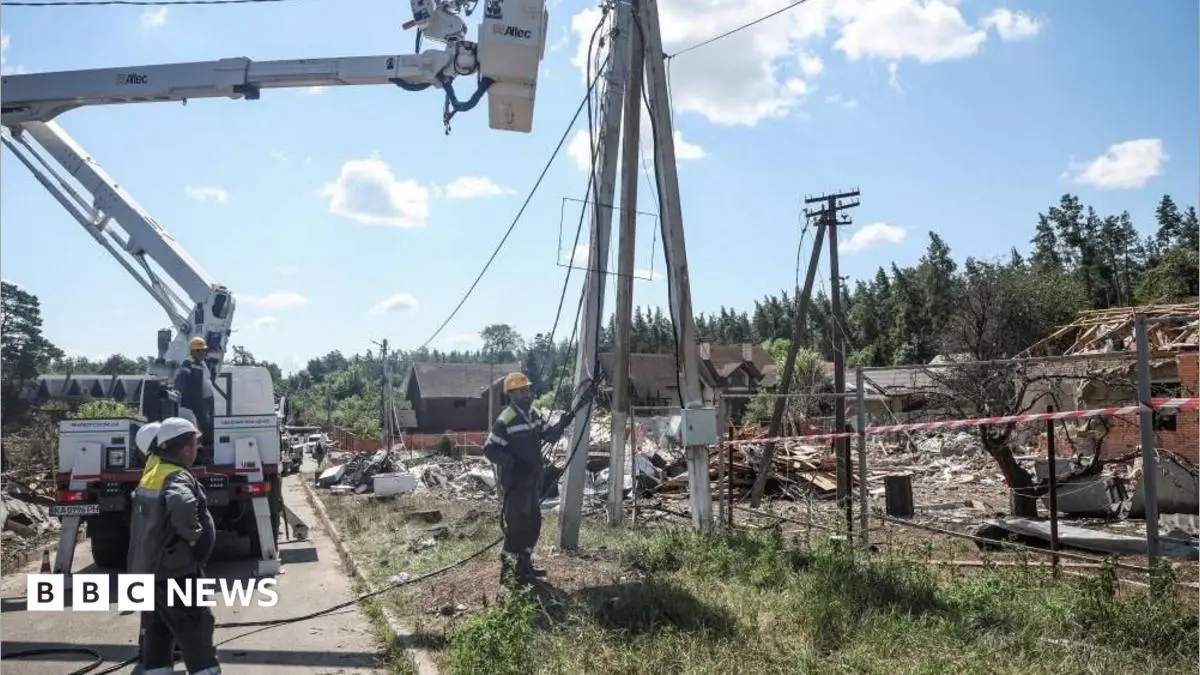
Energy infrastructure has become a strategic target in the war, with both sides using attacks to undermine the opponent’s morale and operational capacity. Ukraine’s DTEK energy company has been working to restore power after a July missile strike that disrupted supply to thousands of homes. The U. S. cited Ukrainian officials’ readiness to sign the truce, suggesting that the ceasefire could prevent further civilian hardship. Analysts say that protecting the grid could also limit the conflict’s spillover into neighboring countries that rely on Ukrainian transmission lines.
The ceasefire could reduce the frequency of blackouts and improve the reliability of the power system. However, the agreement’s scope is unclear; it may cover only specific sites or extend to all energy facilities. Russian officials have not commented, and the Kremlin’s reluctance to speak publicly may stem from concerns over domestic perception and the desire to maintain leverage in peace negotiations.
Why has Moscow chosen to remain tight‑lipped? Some experts argue that the Kremlin wants to keep its options open, avoiding a public commitment that could limit future tactical flexibility. Others suggest that Russia may be testing the U. S. and Ukraine’s resolve by withholding confirmation. A formal announcement could also expose the Kremlin to criticism from hardliners who view any concession as a sign of weakness.
Frequently Asked Questions
The ceasefire’s durability depends on several factors. First, the level of trust between the parties: Ukraine’s willingness to sign indicates some confidence, but Russia’s silence may signal skepticism. Second, the enforcement mechanism: without a clear monitoring body, violations could occur unnoticed. Third, the political climate in Washington: U. S. support for the truce may hinge on broader diplomatic goals, such as sanctions relief or peace talks.
If the ceasefire is upheld, it could ease pressure on Ukraine’s energy sector and provide a window for humanitarian aid. Conversely, a breach could spark renewed attacks and undermine confidence in future agreements. The international community will watch closely, as any escalation could destabilize the region and affect global energy markets.