U. S. Push for Energy Truce Sparks International Debate
A sudden announcement by former U. S. President Donald Trump has called for an immediate energy ceasefire between Russia and Ukraine. The declaration came on the morning of Monday, October 16, 2026, following a series of escalating attacks on Ukrainian infrastructure. While Kyiv welcomed the move, Moscow has yet to respond, leaving uncertainty about the future of the conflict.
Latest news
 Businessman Arrested in U.S. Over Alleged Venezuelan Bribery Scheme
 Bärbel Bas Resigns Amid Personal Tragedy and Intensifying Political Attacks
 Digger Faces Massive Loss After Box Office Flop
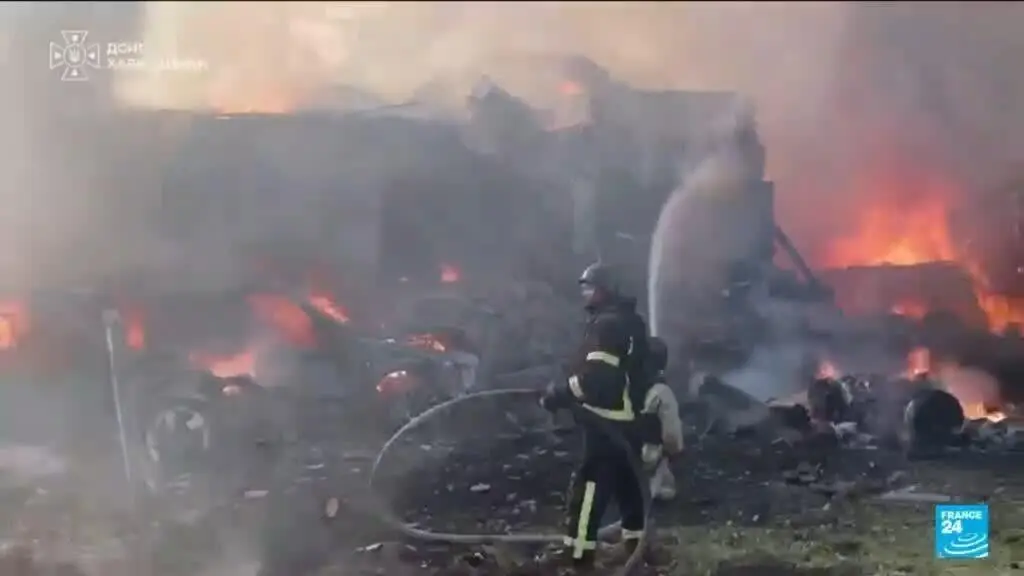 Zelensky says he found out about Trump's proposed energy ceasefire deal through news reports, not direct communication from the former U.S. president
The proposal follows a week of intensified hostilities, including a devastating strike on Kharkiv that left residential buildings ablaze and forced emergency crews to work around the clock. Ukrainian officials reported that the attack destroyed dozens of homes and displaced thousands of residents. In the same week, the United States and European allies have increased their diplomatic pressure on Russia to halt further aggression.
Trump’s call for an energy ceasefire was issued through a press briefing in Washington, where he emphasized the need to protect civilian infrastructure and reduce economic fallout. „We cannot allow the war to destroy our energy networks,” he said. The U. S. administration has pledged financial aid and technical support to Ukraine, aiming to stabilize power grids and prevent further damage.
Why Moscow Has Not Yet Responded
European leaders, including the Prime Minister of Poland and the Chancellor of Germany, expressed cautious optimism. „Energy security is a shared priority,” the German Chancellor remarked. Meanwhile, the European Union has begun to coordinate a joint response, offering to mediate between the parties and facilitate a temporary halt to energy-related attacks.
Russia’s silence has raised questions about its willingness to negotiate. Kremlin spokesperson Dmitry Peskov stated that Moscow is „monitoring the situation closely” but has not yet confirmed or denied the ceasefire proposal. Analysts suggest that Russia may be assessing the political gains of maintaining pressure on Ukraine while avoiding a direct concession that could embolden Western allies.
In the meantime, Russian military officials have continued to target Ukrainian energy facilities, citing strategic objectives. „Our operations are aimed at degrading the enemy’s capabilities,” a senior officer said. This ongoing activity has strained the Ukrainian power grid, leading to frequent blackouts and heightened civilian hardship.
Could a Ceasefire Reduce Civilian Suffering?
The prospect of an energy ceasefire could significantly lessen the humanitarian toll. Ukrainian civilians, already facing shortages of food and medicine, would benefit from restored electricity and heating. International humanitarian agencies have called for an immediate pause in attacks on critical infrastructure to allow aid deliveries.
However, the effectiveness of the ceasefire depends on enforcement. Without Moscow’s agreement, the risk of renewed strikes remains high. The United Nations has urged both sides to honor any agreement, warning that continued attacks could violate international humanitarian law.
The ceasefire proposal also carries geopolitical implications. A successful agreement could pave the way for broader diplomatic talks, while a failure may harden positions and prolong the conflict. As the world watches, the next days will determine whether this energy truce can become a stepping stone toward a lasting resolution.
Frequently Asked Questions
What does an energy ceasefire entail? It means both sides agree to stop targeting energy infrastructure, such as power plants, substations, and transmission lines, to protect civilians and maintain essential services.
Will this ceasefire affect the overall war? While it addresses a specific aspect of the conflict, it does not resolve the broader military or political disputes between Russia and Ukraine.
How will the ceasefire be monitored? International observers, including the UN and independent NGOs, are expected to monitor compliance, though Russia’s current silence may limit oversight effectiveness.