
Power Grid Under Siege: The Human Cost of Energy Attacks
President Volodymyr Zelenskyy announced today that he would take decisive action if Russian forces persist in targeting Ukraine’s electricity infrastructure. The statement came after a series of strikes on power substations and transmission lines, which have left thousands of civilians without power and disrupted essential services across the country.
Latest news
 Economic Frustration Drives Washington to Step Up Market Intervention Post‑Midterms
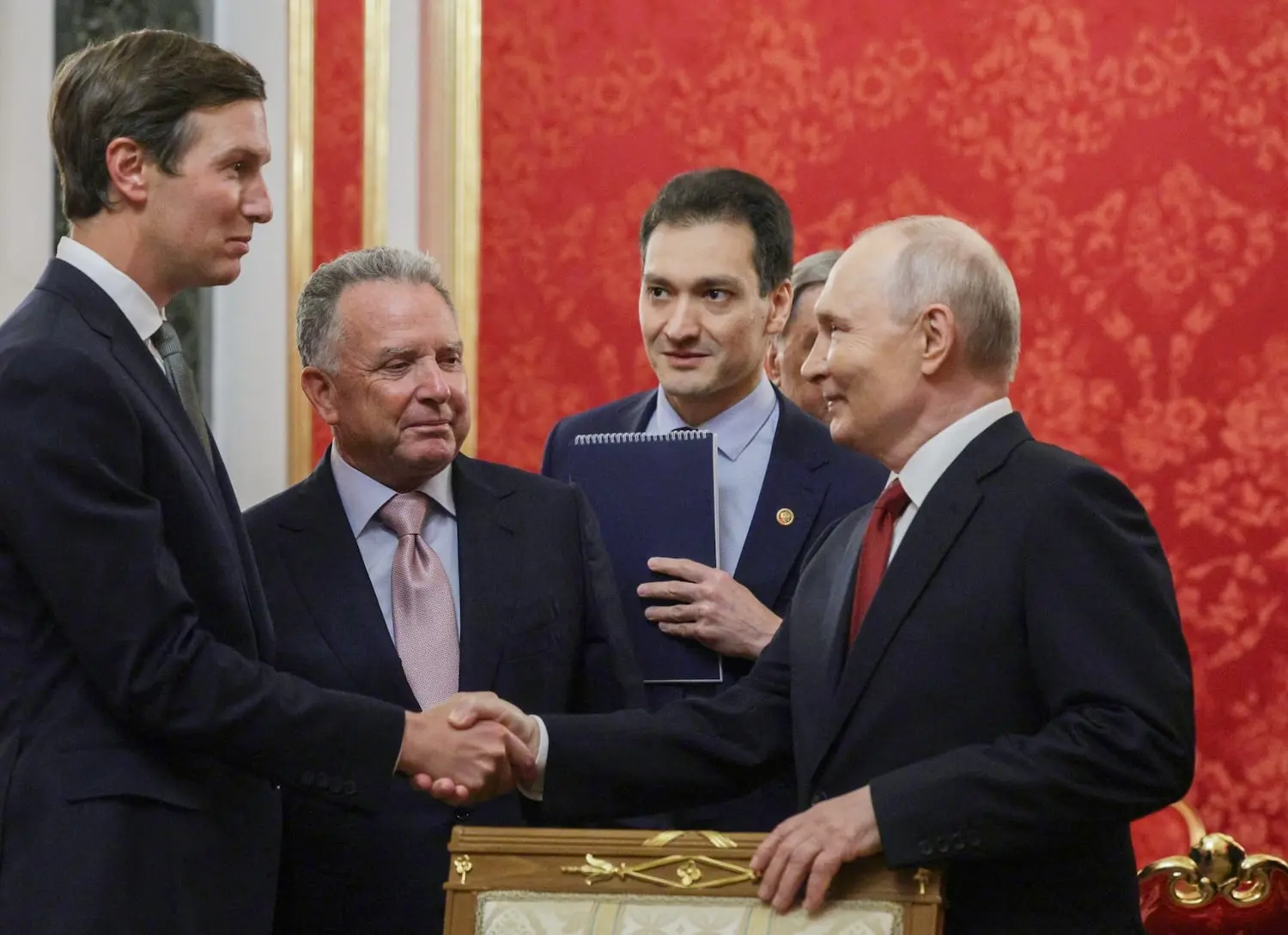 Congress Can Do More to Address Kushner’s Conflicts of Interest
 Nobel Prize-Winning Economists Hall and Woodford Recognized for Central Bank Research
 Cyprus Nears Schengen Membership Despite Political Hurdles
The president’s warning follows a pattern of escalating attacks on the grid, which began earlier this year. Russian forces have repeatedly targeted substations in the east and south, causing widespread outages that affect hospitals, schools, and emergency services. The Ukrainian government has responded with increased security measures and rapid repair crews, but the damage continues to accumulate.
Will International Support Be Enough?
Ukraine’s reliance on a single, aging power grid has made it vulnerable to sabotage. When substations are hit, entire regions can be plunged into darkness for days. In the most recent wave of attacks, residents in Kharkiv and surrounding areas reported blackouts lasting up to 48 hours. Hospitals had to switch to backup generators, and water treatment plants struggled to maintain operations. The Ukrainian Ministry of Energy estimates that each strike costs the economy millions of dollars in lost productivity and repair expenses.
„Every outage is a reminder that our people are fighting for more than just territory,” Zelenskyy said in a televised address. „We cannot allow the enemy to cripple our civilian infrastructure.” He added that the government is coordinating with international partners to secure additional equipment and expertise for grid restoration.
Consequences for the Conflict and the Future of Energy Security
What can the international community do to protect Ukraine’s critical infrastructure?
The United States and European Union have pledged financial aid for power grid repairs and have supplied advanced monitoring technology. However, experts warn that without a comprehensive strategy to harden the grid, future attacks could still succeed. Ukraine is exploring the deployment of mobile power units and underground cabling to reduce vulnerability. The president also called for a global coalition to increase sanctions against entities that facilitate Russian energy attacks.
In the coming weeks, the Ukrainian government will present a detailed plan to the European Parliament, outlining the need for increased funding and technology transfer. Zelenskyy’s threat of „stronger retaliation” signals a shift from defensive repairs to a more proactive stance, potentially involving cyber operations aimed at disrupting Russian command and control systems.
Frequently Asked Questions
If Russian forces continue to target Ukraine’s power grid, the humanitarian situation could worsen dramatically. Prolonged outages would strain medical facilities, jeopardize food safety, and force civilians to rely on diesel generators, increasing air pollution and fuel costs. Politically, Ukraine’s ability to maintain public morale and operational readiness will be tested. The international response, particularly the level of support for grid protection, may influence the trajectory of the war and the resilience of Ukraine’s economy.
In the long term, Ukraine’s experience underscores the need for resilient energy systems in conflict zones. The country is likely to invest heavily in modernizing its grid, incorporating renewable sources, and adopting smart grid technologies to reduce future risks.