Legal scholars emphasize that the appearance of impropriety undermines public
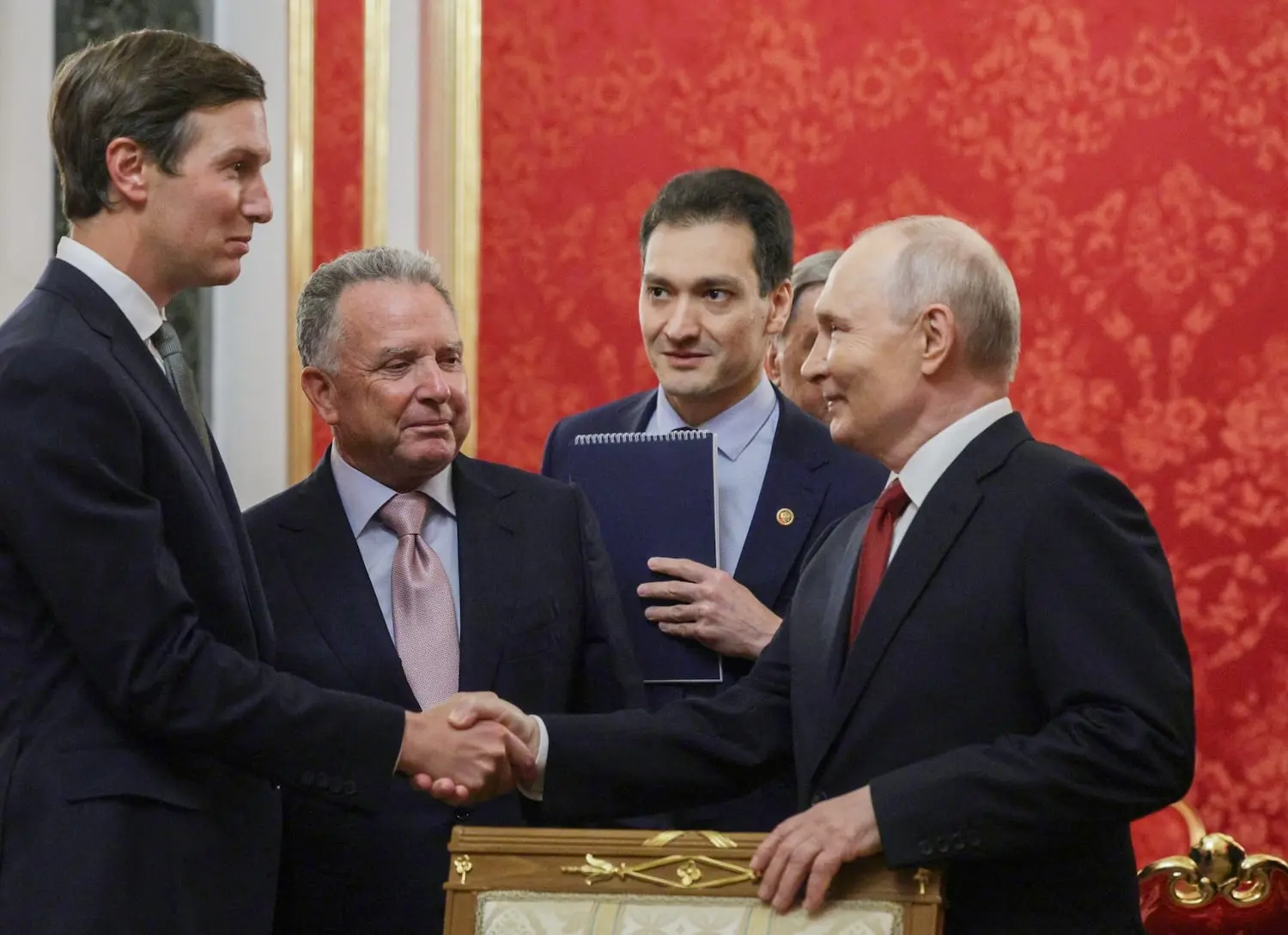
Lawmakers have a responsibility to ensure that public officials, including presidential relatives, do not exploit their positions for personal gain through foreign financial ties. Jared Kushner, former senior advisor to President Trump and son-in-law, has faced scrutiny over business dealings with countries where he conducted official diplomacy. Experts argue that current ethics rules are insufficient to prevent such conflicts, particularly when family members benefit from international engagements. Congress must act to close loopholes that allow private profit from public service roles. The core issue lies in the lack of strict prohibitions against officials receiving payments from foreign governments, especially when those nations are involved in diplomatic negotiations. Kushner’s business ventures, including investments tied to Saudi Arabia and other Middle Eastern states, raised concerns during his tenure in the White House. While he divested some assets, critics note that the timing and nature of these transactions warrant closer examination.
Latest news
 Economic Frustration Drives Washington to Step Up Market Intervention Post‑Midterms
 Nobel Prize-Winning Economists Hall and Woodford Recognized for Central Bank Research
 Cyprus Nears Schengen Membership Despite Political Hurdles
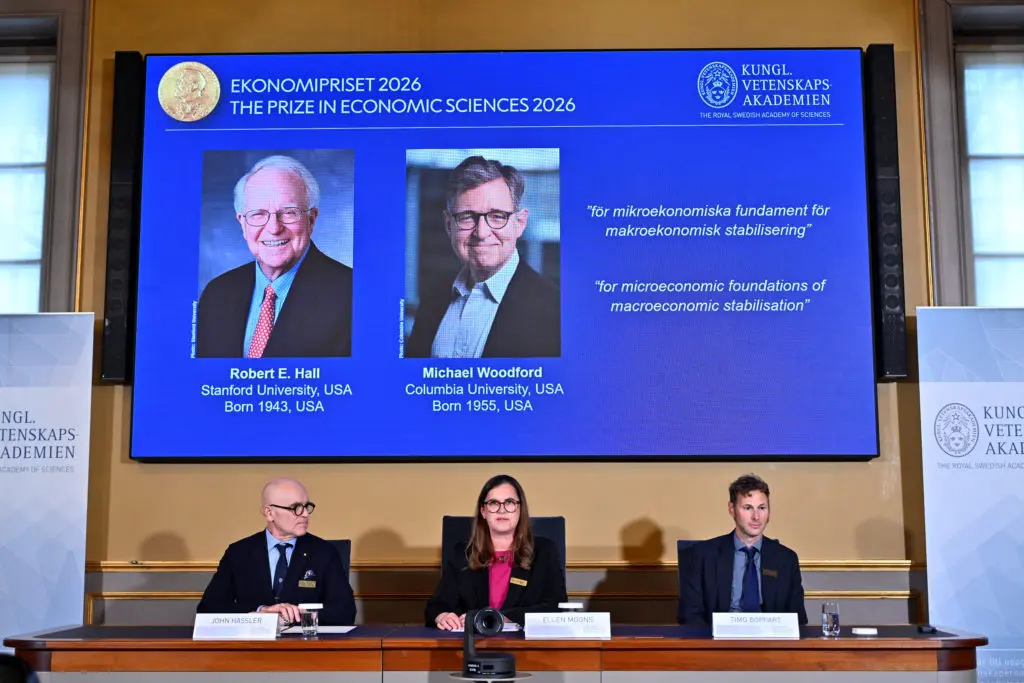 American economists Robert E. Hall and Michael Woodford receive Nobel Prize for work on economic shocks
Legal scholars emphasize that the appearance of impropriety undermines public trust, even if no illegal act is proven. Stronger disclosure requirements and cooling-off periods could help mitigate risks. Why Current Ethics Rules Fall Short Existing federal ethics laws rely heavily on voluntary compliance and post-facto scrutiny rather than preventive measures. The Office of Government Ethics can issue guidance but lacks enforcement power over presidential family members who are not formal employees. Kushner’s role, though unpaid, granted him access to sensitive diplomatic channels, blurring the line between public duty and private interest. Experts like Sarah Leah Whitson argue that Congress should expand the definition of „covered official” to include close relatives of the president who wield influence.
Without such changes, future administrations may repeat similar patterns of
Without such changes, future administrations may repeat similar patterns of conflict. What Specific Steps Should Congress Take? Lawmakers could pass legislation mandating stricter foreign payment bans for senior White House advisors and their immediate family members. This would include prohibiting compensation from foreign governments for a set period before and after government service. Additionally, Congress should require real-time disclosure of any ongoing business negotiations involving foreign entities. Whitson suggests modeling new rules after those applied to military officers and federal contractors, who face tighter restrictions on foreign gifts and investments. Such reforms would not target individuals but strengthen systemic safeguards against undue influence. Frequently Asked Questions Was Jared Kushner ever found guilty of violating ethics laws? No formal charges were filed against Kushner related to his business dealings or diplomatic work. Investigations by congressional committees and special counsel examined potential conflicts but did not result in criminal prosecution.
However, multiple reports highlighted concerns about the timing of foreign investments relative to official meetings. Could these proposed rules apply to future presidential families? Yes, the recommended legislation would apply broadly to any senior White House advisor and their immediate family, regardless of administration. The goal is to establish consistent standards that prevent conflicts of interest before they arise, rather than relying on ad hoc responses after problems emerge. How would these changes affect national security decision-making? By reducing financial entanglements with foreign governments, officials could make diplomatic choices based solely on national interest. Critics argue that overly strict rules might deter qualified individuals from public service, but proponents maintain that transparency and accountability are essential to credible governance.