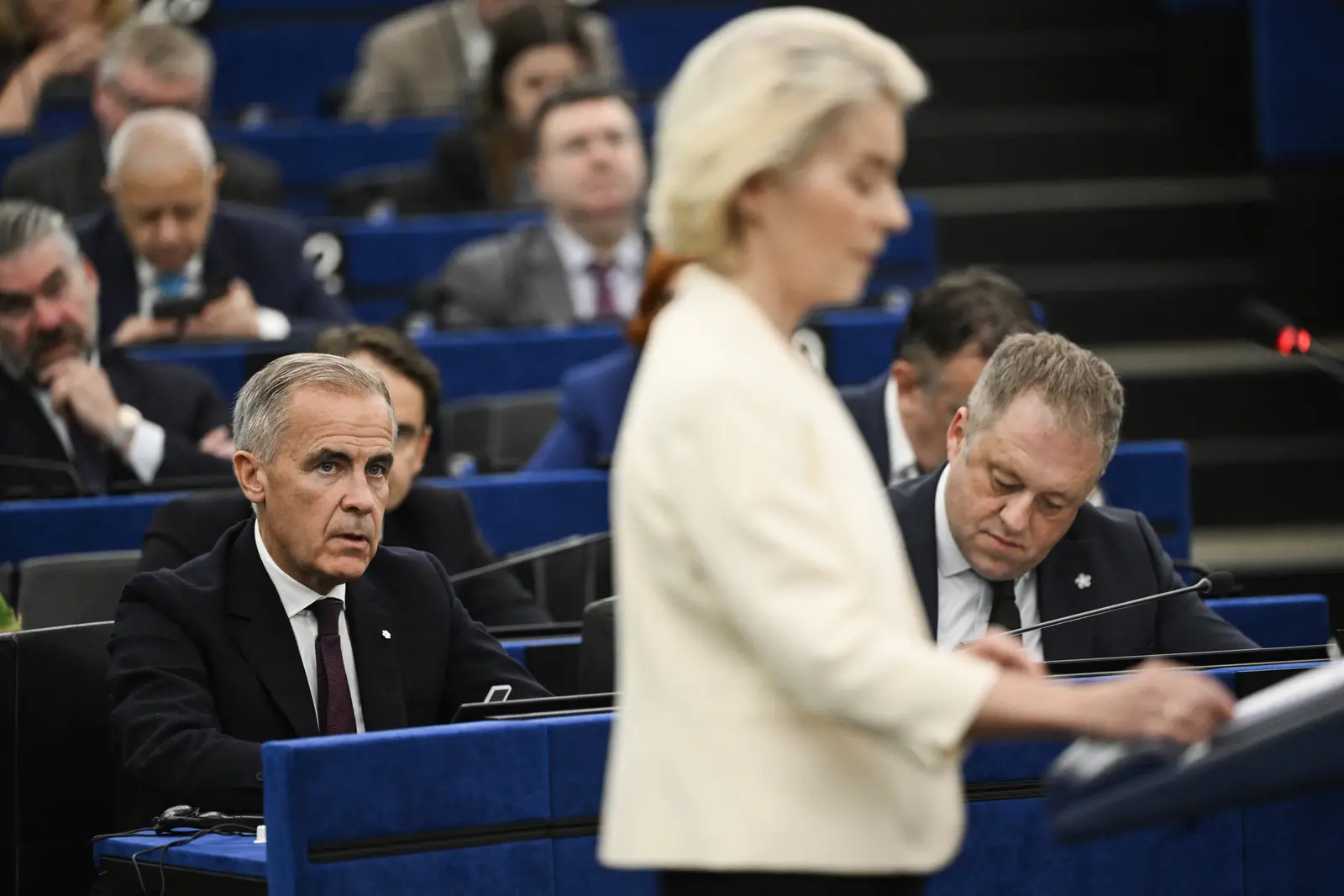
A Strategic Shift in Transatlantic Alliances
The European Union has officially extended an invitation to Canada to join as its first associate member. This historic move responds directly to Prime Minister Mark Carney’s expressed desire for closer integration. The announcement marks a significant shift in transatlantic relations, signaling a new era of cooperation between the two political entities.
Latest news
 IMF Cuts Australia Growth Forecast Amid Rate Hike Warnings
 Nicaraguan Exile Journalist Luis Galeano Detained by U.S. ICE in Florida
 Congress Passes Bill Granting Trump Expanded Sanctions Authority
 AI pioneer Yoshua Bengio warns of imminent crisis
The initiative stems from a long-standing request by Canadian leadership. Prime Minister Carney has consistently advocated for a deeper formal tie with Brussels. He views this partnership as essential for navigating a complex global landscape. The EU leadership supports this ambition, recognizing Canada’s strategic value. This alignment creates a framework for enhanced collaboration beyond traditional trade agreements. It establishes a precedent for non-EU nations seeking full integration into the bloc’s structures.
The designation of associate memberrepresents a novel concept within the Union. It allows Canada to participate in key decision-making processes without holding full voting rights. This arrangement addresses concerns about sovereignty while fostering unity. Officials emphasize that this model can be replicated for other friendly nations. The focus remains on security, technology, and economic resilience. By linking Canada more tightly to EU institutions, both sides aim to strengthen their collective bargaining power. They seek to counterbalance emerging geopolitical rivals effectively. This structural change requires new legal frameworks and administrative adjustments. Negotiations will determine the specific scope of Canadian participation in EU committees.
How Will This Change Daily Operations?
The practical implications of this membership are still being defined. However, early indicators suggest streamlined regulatory alignment between Ottawa and Brussels. Businesses may benefit from reduced compliance costs and smoother cross-border operations. The agreement prioritizes shared standards in digital infrastructure and green energy. Security agencies will likely gain improved intelligence sharing mechanisms. This transparency helps combat threats ranging from cyberattacks to supply chain disruptions. The process involves rigorous vetting to ensure mutual trust is maintained. Both governments are drafting protocols to manage potential conflicts of interest. This careful approach ensures the partnership remains beneficial for all stakeholders involved.
The long-term outlook suggests a more integrated North Atlantic community. If successful, this model could encourage other nations to seek similar status. The EU gains a reliable partner with significant natural resources and technological expertise. Canada secures a stronger voice in shaping European policy. Future developments will hinge on the implementation of joint working groups. Diplomatic efforts will continue throughout the year to finalize the legal texts. This partnership sets a tone for cooperative internationalism in a fragmented world. Observers will watch closely for the first joint sessions under the new rules. The success of this pilot program will define the future of multilateral diplomacy.
Frequently Asked Questions
Is Canada becoming a full EU member? No, Canada is designated as an associate member. This status grants participation rights but does not include full voting powers in the European Council.
When does this new status take effect? The formal process begins immediately following the announcement. Specific operational dates depend on the completion of internal ratification procedures in both jurisdictions.
Does this affect existing trade deals? Existing agreements remain valid. The new associate status complements current trade frameworks by adding layers of institutional cooperation and regulatory harmonization.