What Associate Membership Actually Entails
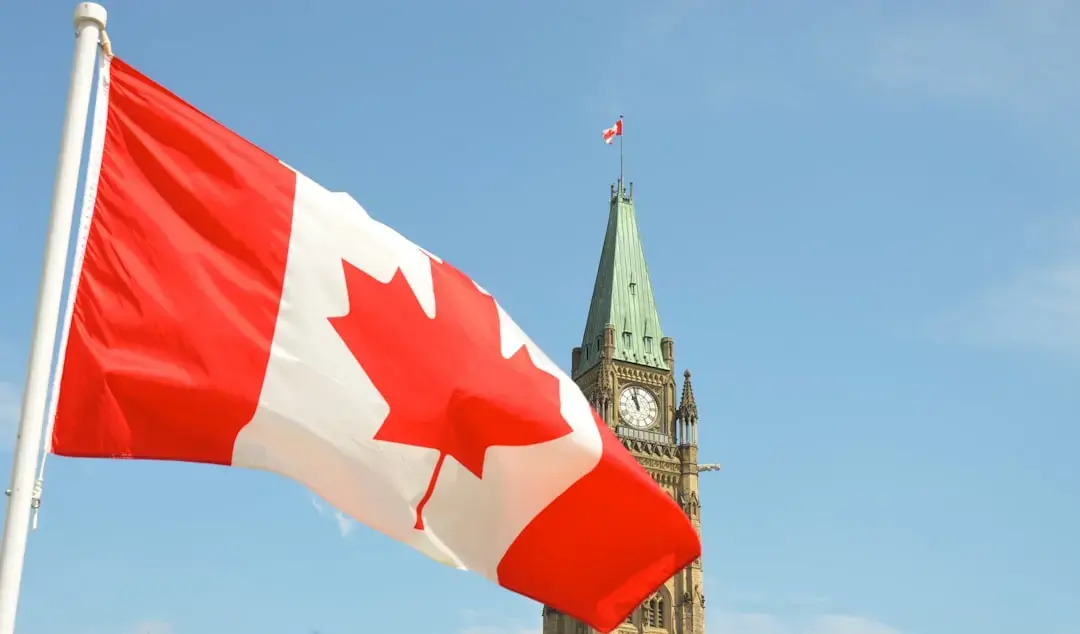
Canada has responded positively to the European Union's proposal granting it associate member status, a development announced amid ongoing discussions about deepening transatlantic ties. The offer, presented during a summit in Brussels, marks a symbolic step toward closer cooperation without full membership privileges. Canadian officials emphasized the gesture reflects shared democratic values and strategic interests, particularly in trade and security domains. The announcement came on September 18, 2026, with EU representatives highlighting the move as a response to evolving global challenges requiring coordinated action.
Latest news
 Palestinians Hospitalised After Israeli Soldiers Beat Them in Nablus Camp Raid
 Restored Greek Byzantine Palace Offers Blueprint for Preserving Cultural Heritage
 Oil prices decline as Saudi Arabia increases crude exports via Oman
 Mitch McConnell Faces Scrutiny Following Senate Committee Voting Confusion
The associate status does not grant Canada voting rights in EU institutions or access to the single market's four freedoms. Instead, it facilitates enhanced dialogue in areas such as climate policy, technological innovation, and crisis management. Officials from both sides clarified that the arrangement is primarily political and symbolic, designed to strengthen consultation mechanisms rather than alter legal obligations. Canada will participate in select EU meetings as an observer but cannot block decisions or influence legislative processes. The framework builds on existing agreements like the Comprehensive Economic and Trade Agreement (CETA), aiming to deepen alignment on global governance issues without creating new legal commitments.
How Does This Affect Existing Transatlantic Relations?
Analysts note the development complements rather than replaces Canada's traditional focus on NATO and bilateral EU member state relationships. While some view it as a counterweight to growing geopolitical tensions elsewhere, others caution against overestimating its practical impact. The EU stressed that associate membership remains distinct from candidacy pathways, with no implication of future accession. Canadian officials reiterated that national sovereignty and existing trade diversifications remain priorities. The move appears intended to signal solidarity on multilateralism, particularly regarding support for Ukraine and coordinated responses to economic coercion, without binding Canada to EU policy positions.
Does associate membership give Canada access to EU funding programs? No, the status does not include automatic eligibility for EU financial instruments or structural funds. Participation in specific programs would require separate negotiations and agreements.
Frequently Asked Questions
Can Canada veto EU decisions under this arrangement? No, associate members hold no voting rights in the Council of the European Union or the European Parliament. Their role is limited to attending certain meetings as observers without decision-making power.
Is this a step toward eventual EU membership for Canada? No, the EU has explicitly stated that associate membership does not constitute a pathway to full membership. Canada's geographic location and existing constitutional framework make accession politically and legally unfeasible.