Strategic Alignment in Energy and Defense
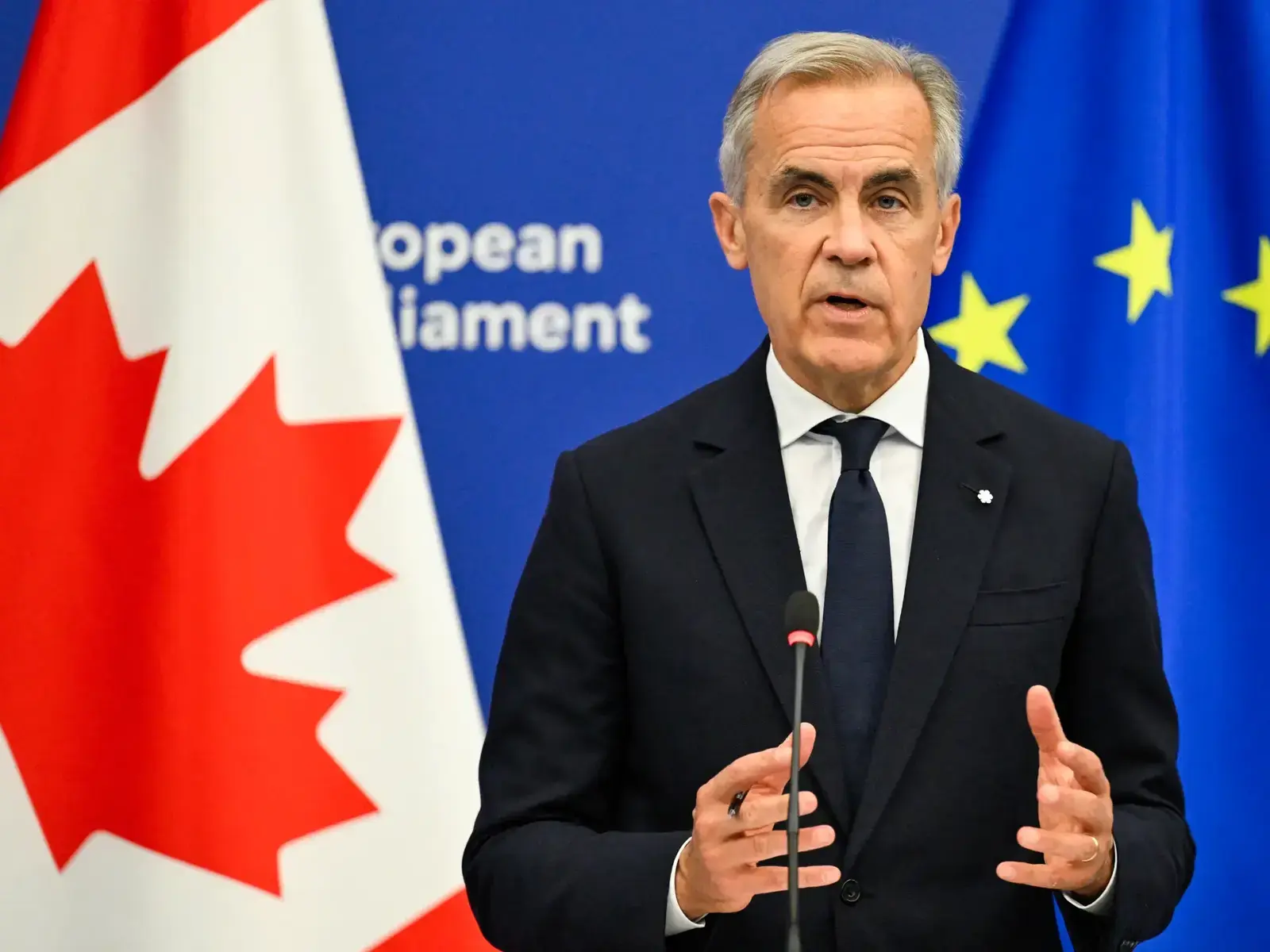
Canadian Prime Minister Mark Carney publicly supported the European Union’s proposal for an associated membership status for Canada. He made this declaration during a formal address to the European Parliament in Brussels. The statement marked a significant diplomatic moment between the two major trading partners. Carney emphasized the need for deeper integration in economic and political spheres. This move signals a shift toward closer alignment with European standards and regulations. The proposal aims to bridge regulatory gaps and streamline trade processes. It represents a new framework for managing their long-standing relationship.
Latest news
 Space Security Landscape Deteriorates Rapidly Amid New US Deployments
 Wife of US Scholar Detained in China Urges Trump to Address Case During Summit
 Palestinian Man Dies in Israeli Custody After Year of Administrative Detention
 Sweden's Centre-Left Coalition Wins Election as Right-Wing Bloc Narrowly Defeated
The prime minister outlined specific sectors where enhanced cooperation is vital. He highlighted energy, digital infrastructure, and defense as priority areas. Carney argued that joint efforts would strengthen both economies against global uncertainties. The associated membership model offers Canada a voice in EU decision-making without full voting rights. This arrangement allows for smoother implementation of common policies. It reduces friction in cross-border commerce and investment flows. The initiative responds to growing calls for a unified Western front.
Will Associated Membership Change Trade Dynamics?
Carney detailed how associated membership would facilitate shared energy goals. Both regions are committed to accelerating the transition to clean power sources. Joint procurement of critical minerals could lower costs for renewable projects. In defense, the prime minister noted the value of interoperable systems. Shared standards for equipment would speed up joint military exercises. This cooperation enhances security posture in the Atlantic region. The proposal also covers digital data protection rules. Aligning privacy laws will help tech firms operate across borders more easily. Carney stressed that these steps build trust between institutions. They create a stable foundation for future negotiations. The framework encourages regular dialogue between parliaments. This ensures that legislative changes remain synchronized over time.
The proposal raises questions about the balance of power in bilateral talks. Critics wonder if Canada will cede too much regulatory autonomy. Supporters argue it grants access to the single market mechanisms. The associated status provides a pathway to influence EU policy. It prevents Canada from being left out of key discussions. This is crucial for maintaining competitive advantages in global markets. The agreement could serve as a template for other nations. It demonstrates a flexible approach to international partnerships. Carney’s endorsement suggests Ottawa sees long-term benefits. The government believes the rewards outweigh the compromises. This stance reflects a broader strategy of deepening Western ties. It positions Canada as a reliable partner in Europe’s strategic pivot.
The immediate consequence is a renewed focus on implementing technical agreements. Negotiators will work to draft the legal texts for association. This process requires careful coordination among multiple ministries. The outlook remains positive for sustained engagement. Both sides aim to finalize the framework within the next legislative cycle. Success depends on consistent political will from both capitals. The move sets a precedent for non-EU countries seeking closer ties. It reshapes the landscape of transatlantic diplomacy. Canada’s role in European affairs is set to expand significantly.
Frequently Asked Questions
What does associated membership mean for Canada? It grants Canada a seat in certain EU committees. This allows input on regulations without full voting power.
How does this affect current trade deals? It complements existing agreements by adding regulatory alignment. It reduces non-tariff barriers for businesses.