The Technical Leap: From Prompt to Final Cut
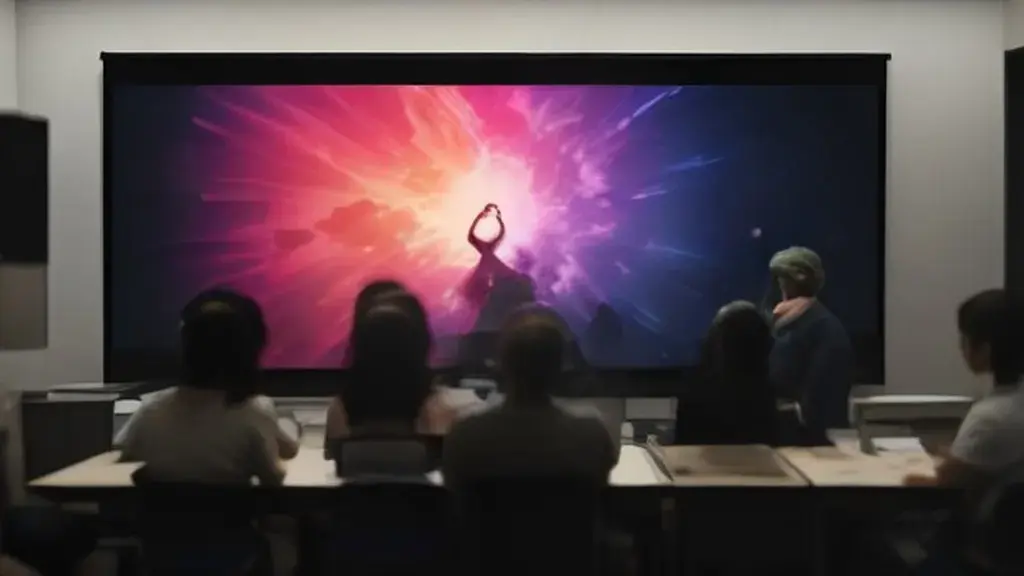
The camera crew is gone. The editing suite is silent. In its place sits a laptop, a product link, and an algorithm that can generate a fully narrated promotional video in minutes. This isn't a sci-fi fantasy; it is the current reality for thousands of small businesses and independent creators who no longer need a film crew to produce broadcast-quality content.
Latest news
 Trump: US to End Israel Aid as Midterm Vote Opens
 Soviet Nostalgia Blocks Ukraine’s Path to Peace
 Turkey and South Korea Sign Nuclear Financing Pact
 Midterm Election Live Updates: Democrats Eye Senate Control
The shift is being driven by a simple, painful problem: video is the highest-converting content format, but traditional production is expensive and slow. A single 30-second commercial can cost thousands of dollars and take weeks to produce. For a small e-commerce store or a solo entrepreneur, that is a barrier that keeps them out of the game. Now, a new class of tools is dismantling that barrier.
Modern generative video platforms work by taking a single input — a product URL or a short text prompt — and outputting a complete video with script, voiceover, and visual assets. The pipeline involves three AI subsystems working in concert: a language model writes the script, a text-to-speech engine generates a natural voiceover, and a diffusion model produces the visuals. The result is a cohesive video without any human editing.
The Economics of Content: Cost and Time Collapse
What makes this possible is the convergence of three previously separate technologies. Large language models handle narrative structure and copywriting. Neural text-to-speech engines, now capable of natural prosody and emotion, generate voiceovers that are indistinguishable from human narration. And diffusion-based image generation creates the visual frames. When these are chained together, the output is a finished product, not a draft.
The quality threshold has crossed a critical point. Voiceovers now carry genuine emotional range — excitement, warmth, authority — and the visuals are coherent enough for brand advertising. This isn't a novelty; it is a production tool. Platforms like ai influencer exemplify this, allowing users to paste a product link and receive a ready-to-publish video with a Romanian-language voiceover and a virtual presenter, eliminating the need for a filming team.
Traditional video production costs are collapsing. A professional 30-second commercial that once required a scriptwriter, a voice actor, a cinematographer, and an editor — totaling several thousand dollars and a two-week timeline — can now be generated in under an hour for a fraction of the cost. For businesses that need to produce dozens of product videos per week, this is not an incremental improvement; it is a structural shift in how content is made.
The Human Element: What AI Cannot Replace
The time dimension is equally significant. In a market where a product launch window might last only a few days, the ability to generate a promotional video in minutes means brands can respond to trends and competitor moves in real time. The agility advantage is enormous.
But the cost reduction is not just about saving money. It unlocks a new category of content creators: solo entrepreneurs, small e-commerce stores, and niche brands that previously could not afford video. The barrier to entry has dropped so low that video is no longer the exclusive domain of large corporations with dedicated media teams.
Despite the technical progress, the most compelling videos still require a human hand. AI can generate a technically correct video, but it struggles with genuine emotional resonance, cultural nuance, and the kind of creative risk-taking that defines memorable advertising. A voiceover generated by AI may sound natural, but it lacks the subtle inflections and personality that make a human narrator unforgettable.
Visual coherence is another area where human direction remains essential. AI-generated frames can drift in style or logic across a video, and without a human editor to enforce consistency, the result can feel disjointed. The best current workflows use AI for speed and draft generation, then layer in human refinement for polish and emotional impact.
What Comes Next: The Road to Full Automation
The most successful brands are using AI not as a replacement for human creativity, but as a force multiplier. A creative director can now test fifty variations of a commercial in an afternoon, selecting the strongest concept and refining it. The human provides the vision; the AI provides the volume and speed. This hybrid model is where the real value lies.
The trajectory is clear. Each year, the quality of AI-generated video improves, and the human role shifts further upstream — from editing and producing to conceptualizing and directing. Within two to three years, it is plausible that a single prompt will produce a broadcast-ready video with no human intervention required. The current generation of tools is the on-ramp to that future.
For news and analysis, the implication is profound. Media outlets will increasingly use AI to generate B-roll, voiceovers, and even full short-form content for social channels. The editorial judgment — what to say and why — remains human, but the production labor is being automated. This will reshape the economics of content production across every industry.