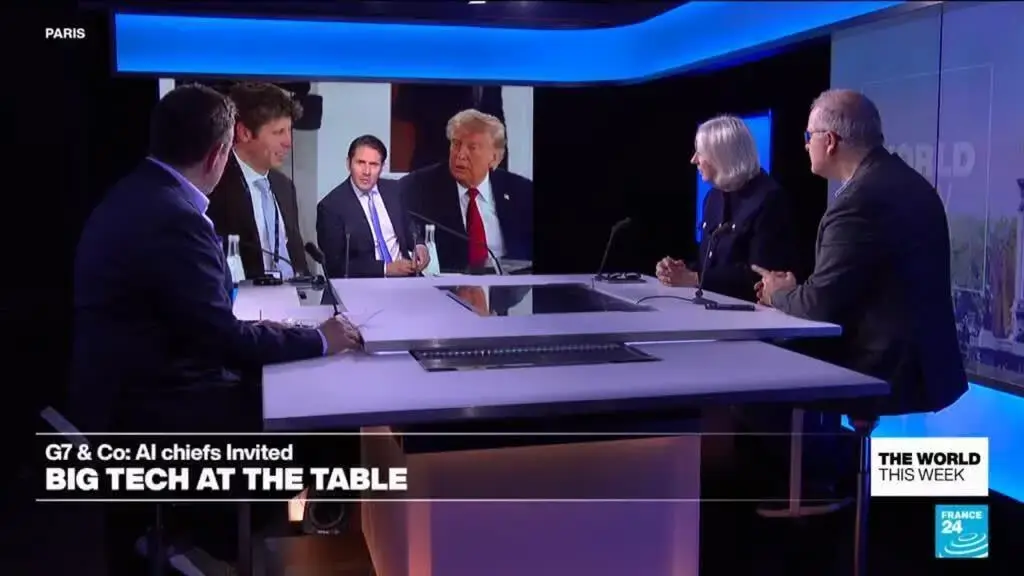
Europe’s Strategic Calculus in a Changing Order
The Group of Seven convened in Italy this week as the United States and Iran signed an interim peace pact. The agreement, brokered by European diplomats, halts direct hostilities and opens channels for broader negotiations. Observers note the timing could reshape diplomatic dynamics across the Middle East and beyond.
Latest news
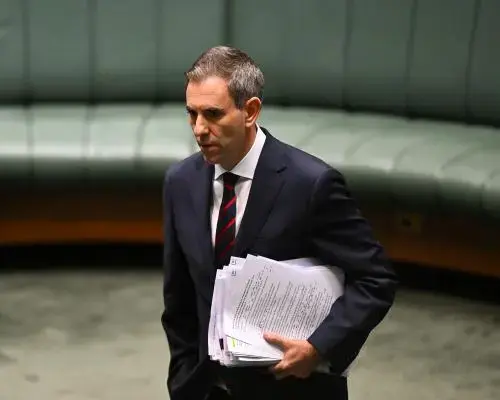 IMF Cuts Australia Growth Forecast Amid Rate Hike Warnings
 Nicaraguan Exile Journalist Luis Galeano Detained by U.S. ICE in Florida
 Congress Passes Bill Granting Trump Expanded Sanctions Authority
 AI pioneer Yoshua Bengio warns of imminent crisis
European officials say the cease‑fire offers a rare opening for dialogue after years of tension. The G7 summit, held in Capri, focused on coordinating a response that balances security concerns with economic interests. Analysts argue that the pact may signal a shift away from unilateral sanctions toward multilateral engagement. The United States, eager to reduce regional instability, hopes the deal will pave the way for longer‑term agreements on nuclear constraints and trade.
Italian Prime Minister Giorgia Meloni emphasized that Europe must adapt to a world where traditional power blocs are blurring. „We cannot afford to watch from the sidelines while new alliances form,” she told reporters. French President Emmanuel Macron echoed the sentiment, warning that neglecting diplomatic outreach could leave Europe marginalized.
Will the US‑Iran Deal Redefine Global Leadership?
Data from the International Crisis Group show that regional trade flows have already risen by 12 percent since the truce was announced. Energy markets responded with a modest dip in oil prices, reflecting reduced risk of conflict escalation. Meanwhile, NATO officials cautioned that the peace remains fragile, urging member states to maintain readiness.
The interim agreement raises questions about the United States’ role as a global arbiter. Critics argue that Washington’s willingness to negotiate directly with Tehran undermines longstanding alliances with Gulf partners. Supporters counter that the move demonstrates pragmatic leadership, prioritizing stability over ideological rigidity.
In a closed‑door session, British Foreign Secretary James Cunningham remarked, „If the United States can broker peace, it reasserts its influence in regions where it has been waning.” Conversely, Israeli officials expressed skepticism, fearing that concessions may embolden Iran’s regional ambitions.
The G7’s collective response will likely shape the trajectory of the agreement. Coordinated economic incentives, combined with security guarantees, could solidify the truce into a lasting framework. Failure to align policies may embolden hardliners on both sides, risking a relapse into conflict.
Frequently Asked Questions
What does the interim peace pact between the US and Iran entail? The agreement pauses direct military engagements, establishes communication hotlines, and sets a timetable for negotiations on nuclear restrictions and trade.
How might the G7 influence the outcome of the US‑Iran talks? Through coordinated diplomatic pressure, economic incentives, and security assurances, the G7 can reinforce the truce and encourage broader regional participation.
Could the deal alter Europe’s strategic position globally? Yes, by engaging in the process, Europe can assert its relevance in Middle Eastern affairs, shaping a more multipolar world order.