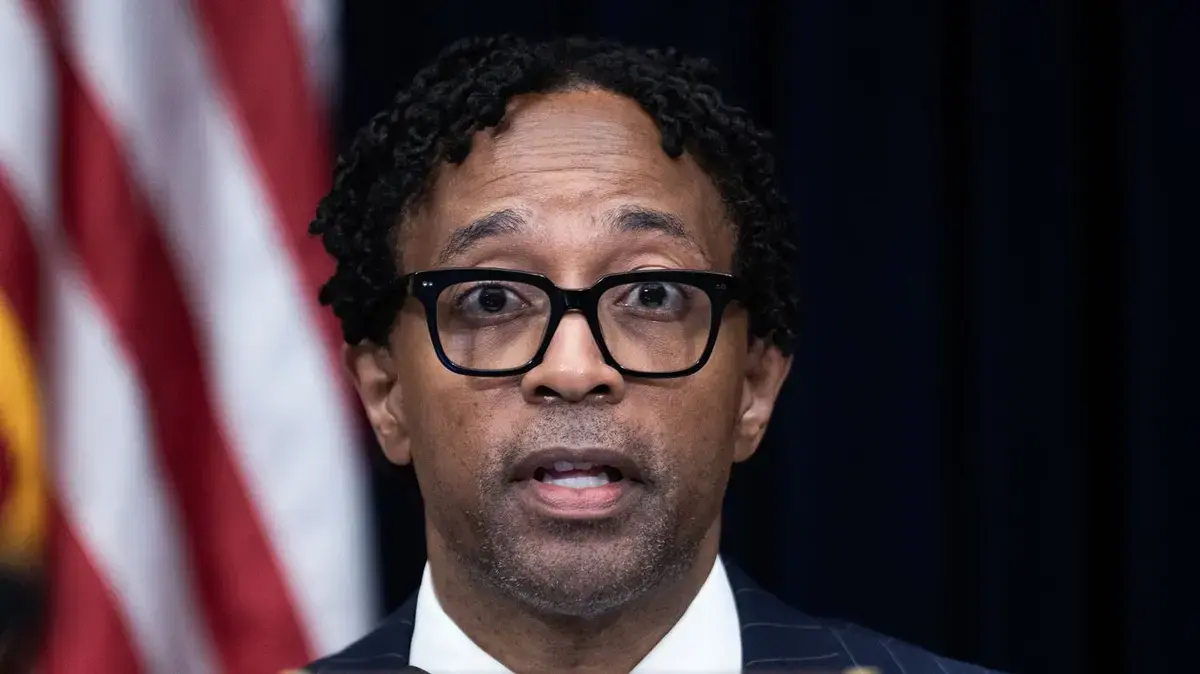
Bell’s Campaign Strategy Stymies Progressive Challenge
Rep. Wesley Bell, a Democrat from Missouri, won his party’s primary on Tuesday, beating former Rep. Cori Bush. The contest took place in Missouri’s 1st congressional district, and Bell’s victory halted a coordinated effort by left‑wing groups, including the Democratic Socialists of America, to reclaim the seat after Bush’s 2024 defeat.
Latest news
 IMF Cuts Australia Growth Forecast Amid Rate Hike Warnings
 Nicaraguan Exile Journalist Luis Galeano Detained by U.S. ICE in Florida
 Congress Passes Bill Granting Trump Expanded Sanctions Authority
 AI pioneer Yoshua Bengio warns of imminent crisis
Bell’s campaign emphasized his record as a prosecutor and promised steady, incremental progress on issues like public safety and economic development. Bush, backed by the DSA, ran on a platform of bold reforms, advocating for universal healthcare and police accountability. Voter turnout was modest but decisive, with Bell securing a clear margin. Analysts say the result reflects a broader struggle for the Democratic establishment to fend off insurgent progressive challenges in a cycle where such victories have been scarce.
Bell focused on local concerns, highlighting his work on crime reduction and job creation. He avoided polarizing national rhetoric, instead positioning himself as a pragmatic problem‑solver. In contrast, Bush’s message leaned heavily on sweeping policy changes, which some voters perceived as too radical for the district’s moderate electorate. Bell’s outreach included town hall meetings, door‑to‑door canvassing, and targeted ads that underscored his experience. This ground game helped him connect with older voters who favored continuity over dramatic shifts.
Why Did the DSA Back Cori Bush, and What Went Wrong?
The Democratic Socialists of America saw Bush as a vehicle to push progressive policies deeper into the party’s agenda. They invested resources, volunteers, and fundraising to boost her campaign. However, the DSA’s support could not overcome Bell’s entrenched local network. Voters expressed concerns about the feasibility of Bush’s proposals, especially in a district still recovering from economic downturns. The mismatch between the DSA’s national ambitions and the district’s immediate priorities contributed to the loss.
Bell’s win reinforces the Democratic establishment’s ability to retain seats even as left‑wing factions grow louder. It may embolden incumbents to adopt a more cautious approach in upcoming primaries, balancing progressive demands with constituency expectations. For the DSA, the defeat signals a need to recalibrate strategies, perhaps focusing on building grassroots support before targeting entrenched seats.
Frequently Asked Questions
What is the significance of Bell’s primary victory? It marks one of the few instances this cycle where a Democratic incumbent has successfully repelled a progressive challenger, suggesting the party’s core remains resilient in certain districts.
How did the DSA influence Bush’s campaign? The DSA provided financial backing, volunteer mobilization, and policy guidance, aiming to amplify Bush’s progressive platform, but it was insufficient to sway the district’s electorate.
Will this result affect future progressive challenges within the Democratic Party? Possibly. The outcome may prompt left‑wing groups to reassess tactics, emphasizing deeper local engagement and realistic policy proposals to improve their chances in similar races.