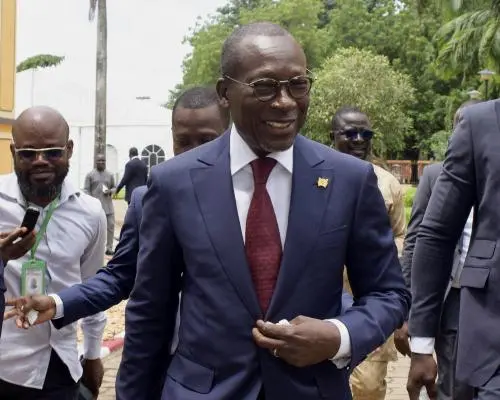
Critics argue that while roads, ports, and factories have expanded, democratic
Patrice Talon has driven rapid economic growth and infrastructure development in Benin over the past decade, transforming Cotonou with construction projects and a new coastal road to Ouidah, while annual GDP rose from 3% to 6%, marking a regional high. This progress has come alongside the launch of an industrial zone northwest of Cotonou, aiming to boost manufacturing and job creation in West Africa. The government’s focus on economic modernization has prioritized large-scale projects to attract investment and improve connectivity. Talon, a former cotton magnate nicknamed the „King of Cotton,”leveraged his business background to streamline state operations and attract foreign capital.
Latest news
 G20 Trade Ministers Gather in Wisconsin Amid Tariff Tension
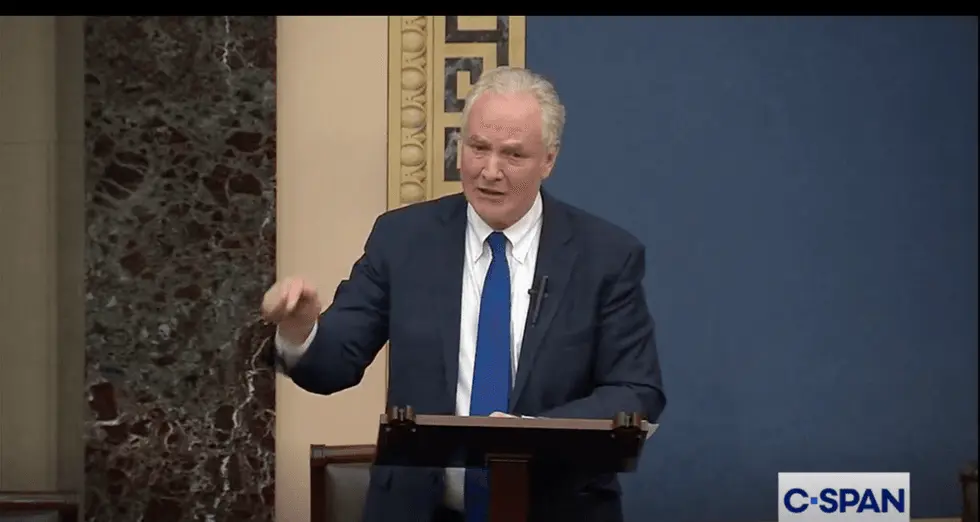 Senate Democrats Unite to Push for West Bank Violence Report
 Sandino's Rebellion Against U.S. Occupation Begins in Nicaragua
 Diesel Surpasses Gasoline as Europe's Most Expensive Fuel
Critics argue that while roads, ports, and factories have expanded, democratic space has narrowed, with restrictions on opposition and media freedoms raising concerns about the trade-off between growth and governance. How Has Benin’s Industrial Zone Changed the Economic Landscape? The new industrial zone northwest of Cotonou targets textile processing, agro-industry, and logistics, seeking to reduce reliance on raw cotton exports. By offering tax incentives and improved infrastructure, the zone aims to draw foreign manufacturers and create thousands of jobs. Officials say it could position Benin as a regional hub for light manufacturing, though its long-term impact on employment and local businesses remains to be assessed. What Are the Risks of Prioritizing Growth Over Democratic Norms? Observers note that Benin’s democratic backsliding includes electoral law changes that weakened opposition parties and increased tensions during recent elections.
While the country maintains stability and investor confidence, human rights groups warn that silencing dissent could undermine sustainable development. Balancing economic gains with political inclusion remains a key challenge for Talon’s administration as he seeks re-election. Frequently Asked Questions What sectors are driving Benin’s GDP growth? Growth is driven by agriculture, particularly cotton and cashew, alongside expanding services and construction linked to infrastructure projects. The new industrial zone aims to diversify into manufacturing. Is Benin’s growth sustainable without democratic reforms? Analysts suggest that while short-term gains are visible, long-term sustainability depends on inclusive institutions, as corruption and exclusion can deter investment and fuel unrest over time. How has daily life changed in Cotonou due to recent developments?
Residents report shorter commutes on the new coastal road and more reliable electricity in some areas, though urban inequality persists, with many still lacking access to basic services despite the city’s physical transformation.