
How Treasury Plans to Disrupt Iran’s Financial Networks
On Tuesday, US Treasury Secretary Scott Bessent announced that economic measures targeting Iran will persist, focusing on individuals and entities providing financial or technological support to the country. The statement reaffirmed the Biden administration’s ongoing strategy to use financial tools to counter Iran’s regional activities and nuclear ambitions. Bessent emphasized that the Treasury Department will maintain its efforts to disrupt networks enabling Iran’s access to global finance, particularly those facilitating sanctions evasion. The remarks came amid continued international concern over Iran’s ballistic missile program and support for regional proxies. Operation Economic Outcast, launched previously to isolate Iran financially, remains a central pillar of US policy. Bessent’s comments signal no immediate easing of pressure despite diplomatic overtures in other forums.
Latest news
 G20 Trade Ministers Gather in Wisconsin Amid Tariff Tension
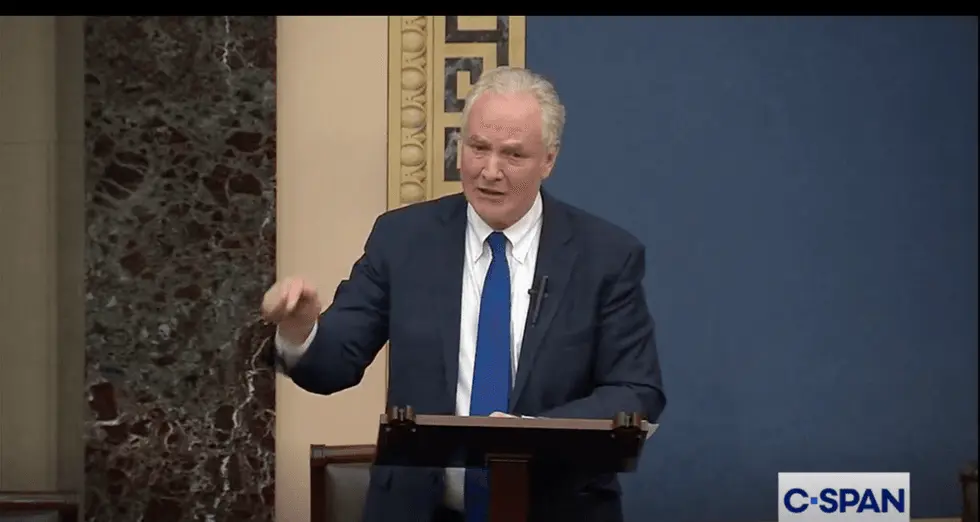 Senate Democrats Unite to Push for West Bank Violence Report
 Sandino's Rebellion Against U.S. Occupation Begins in Nicaragua
 Diesel Surpasses Gasoline as Europe's Most Expensive Fuel
The Treasury Department will continue to identify and sanction individuals, companies, and financial institutions that assist Iran in accessing international markets. This includes targeting front companies, cryptocurrency channels, and trade-based money laundering schemes used to bypass restrictions. Officials say the focus is on cutting off funding for Iran’s Islamic Revolutionary Guard Corps and its affiliated groups. Bessent noted that technological enablers—such as firms providing software or hardware that support sanctioned activities—are also under scrutiny. The approach relies on secondary sanctions, which penalize non-US entities that engage with sanctioned Iranian parties. Treasury coordinates with allies to share intelligence and strengthen enforcement across jurisdictions. The goal is to increase the cost and complexity of evading US-led financial restrictions.
What Challenges Remain in Enforcing These Measures?
Enforcement faces obstacles due to Iran’s use of informal financial systems and third-country intermediaries. Some nations remain reluctant to fully implement secondary sanctions, fearing economic retaliation or disruption to trade. Additionally, the rise of digital assets and decentralized finance complicates tracking illicit flows. Treasury acknowledges that complete isolation is difficult but insists incremental pressure yields strategic results. Critics argue that prolonged sanctions harm civilians more than the government, though officials maintain exemptions exist for humanitarian goods. Bessent did not specify new sanctions but confirmed existing authorities will be fully utilized. The administration continues to assess whether current tools are sufficient or if legislative updates are needed to address evolving evasion tactics.
What is Operation Economic Outcast? Operation Economic Outcast is a US Treasury-led initiative designed to isolate Iran financially by targeting those who provide material or technological support to sanctioned entities.
Frequently Asked Questions
Why does the US continue economic action against Iran? The US cites Iran’s nuclear program, ballistic missile development, and support for regional militant groups as justification for sustained financial pressure.
Are humanitarian exemptions still in place? Yes, the Treasury Department maintains that sanctions include exemptions for food, medicine, and other humanitarian goods to minimize civilian impact.