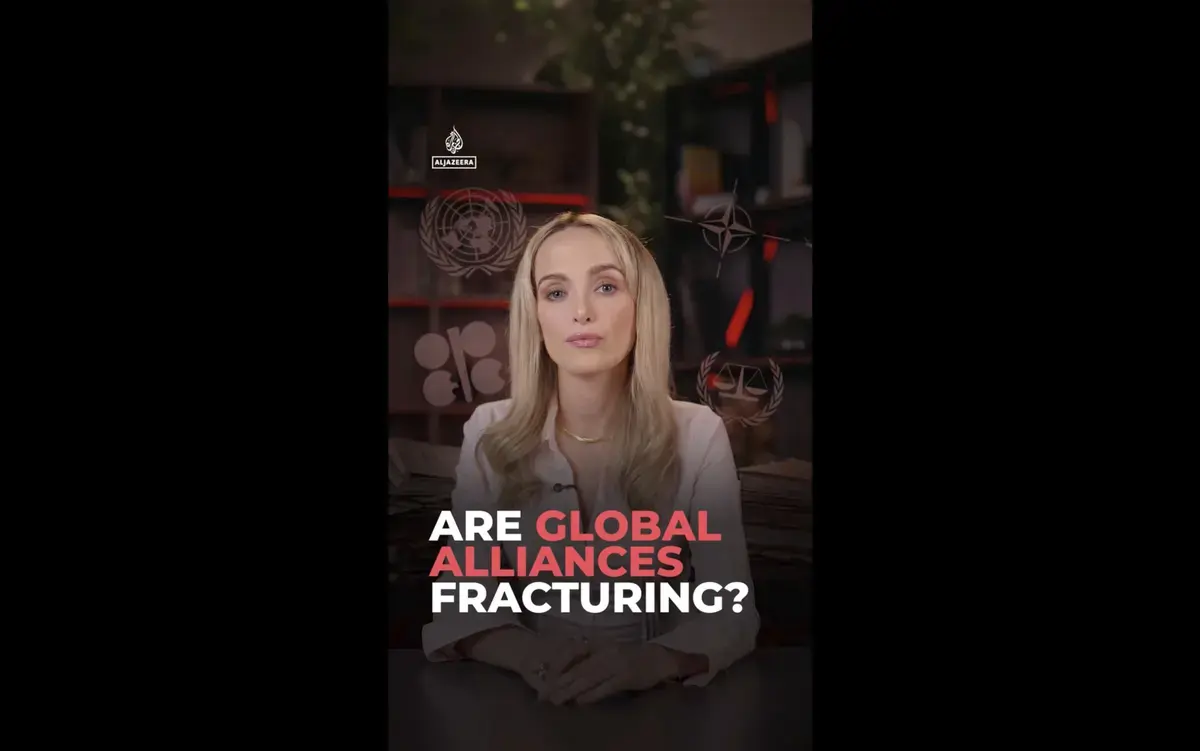
Fractures in the Alliance Landscape
The world's most significant alliances are facing unprecedented pressure, with tensions simmering within groups like NATO and OPEC. As conflicts rage in Gaza, Lebanon, and Iran, the global rules-based order is being tested.
Latest news
 South Africans Mark Femicide Victims in Emotional Cape Town Vigil
 Russians flee ahead of election results, fearing forced mobilisation
 Israeli Forces Conduct Demolitions in Southern Lebanon, Hospital Set Ablaze
 Fear of AI Job Losses Now Outweighs Hope for New Opportunities, Study Shows
The strain on these alliances is not new, but it has intensified in recent times. Observers are questioning whether the global framework that has maintained relative peace and stability is beginning to fray.
NATO, for instance, has been grappling with internal divisions, particularly between the US and its European allies. Differences in defense spending and strategy have caused friction. OPEC, on the other hand, has struggled to maintain cohesion among its member states, with some pushing for deeper production cuts while others resist.
Can Global Alliances Withstand the Pressure?
The ongoing conflicts in the Middle East have put these alliances to the test. The ability of these groups to respond collectively and effectively will be crucial in determining the course of global events. As the situation continues to unfold, the international community is watching closely.
The consequences of a fractured global alliance landscape could be far-reaching, potentially leading to a more fragmented and unstable world. If these alliances continue to fray, the global rules-based order may be significantly undermined.
Frequently Asked Questions
What is causing the strain on global alliances? The strain is being caused by a combination of internal divisions and external pressures, including conflicts in the Middle East.
How are NATO and OPEC being affected? Both NATO and OPEC are experiencing internal tensions, with NATO struggling with defense spending and strategy, and OPEC facing divisions over production cuts.
Can the global rules-based order survive? The survival of the global rules-based order depends on the ability of global alliances to withstand the current pressures and maintain their cohesion.