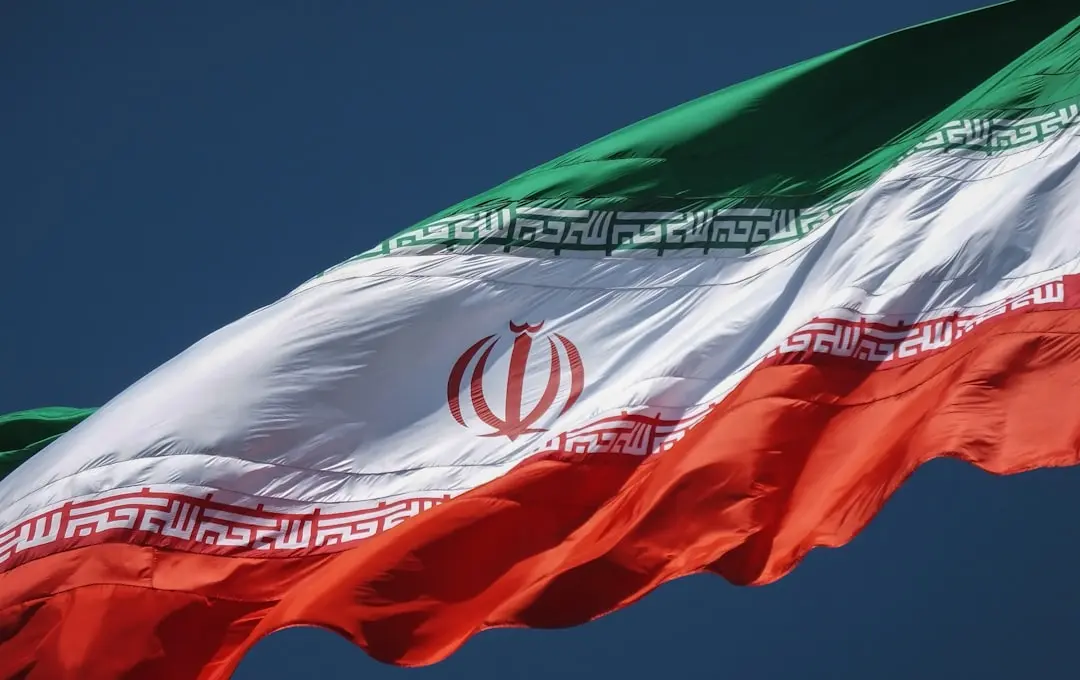
Assessing the Claims of Strategic Failure
A spokesperson for the Islamic Revolutionary Guard Corps, Hossein Mohebbi, claimed this week that the United States has suffered a significant loss in its ongoing struggle against Iran. He characterized the American position as a historic and shameful failure, asserting that Washington’s long-term strategic objectives against Tehran have collapsed entirely.
Latest news
 Professor Warns German Far‑Right Leader Is in a Precarious Spot
 Georgescu Detained on Fraud Charges After Presidential Bid
 EU Faces Deadlock Over French Push to Remove Russian Billionaire From Sanctions List
 Greek Stock Market Joins Global Elite Exchanges After Decade of Debt Crisis
Mohebbi argued that the United States lacks the political resolve to acknowledge its setbacks publicly. Despite the intensity of the geopolitical rivalry, he insists that the current state of affairs represents a definitive turning point. He suggests that the American administration is trapped by its own inability to confront the reality of its diminished influence in the region.
The rhetoric from the Iranian official highlights a deepening divide between the two nations. By framing the situation as a total collapse of American strategy, Tehran seeks to project strength to both domestic and international audiences. This narrative emphasizes that persistent pressure from the West has not yielded the intended political or military results.
Can the United States Acknowledge the Shift?
The spokesperson’s comments reflect a broader trend of aggressive messaging from Iranian leadership. By labeling the situation as shameful, the IRGC aims to undermine the perceived moral and military authority of the United States. These declarations serve as a psychological component of the broader confrontation, intended to influence public perception regarding the efficacy of American foreign policy.
The central tension remains whether the United States will respond to these accusations or maintain its current diplomatic stance. Observers note that such inflammatory language often precedes shifts in regional military posturing. As both nations continue to trade barbs, the possibility of de-escalation appears increasingly distant.
The ongoing war of words suggests that the geopolitical landscape will remain volatile for the foreseeable future. If the United States continues its current course without addressing these criticisms, Iran is likely to intensify its rhetoric. The long-term consequences of this standoff remain uncertain as both sides refuse to yield ground.
Frequently Asked Questions
What is the primary argument made by the IRGC spokesperson? Hossein Mohebbi claims that the United States has failed in its strategic goals against Iran. He describes this outcome as a historic and shameful defeat for Washington.
Does the United States officially recognize these claims? There has been no official acknowledgment from the United States regarding these specific comments. The U. S. generally maintains that its regional policies are designed to protect its interests and allies.
Why does the spokesperson believe the U. S. will not admit defeat? Mohebbi argues that the American government lacks the necessary courage to accept its failure. He suggests that admitting defeat would be politically damaging to the current administration.