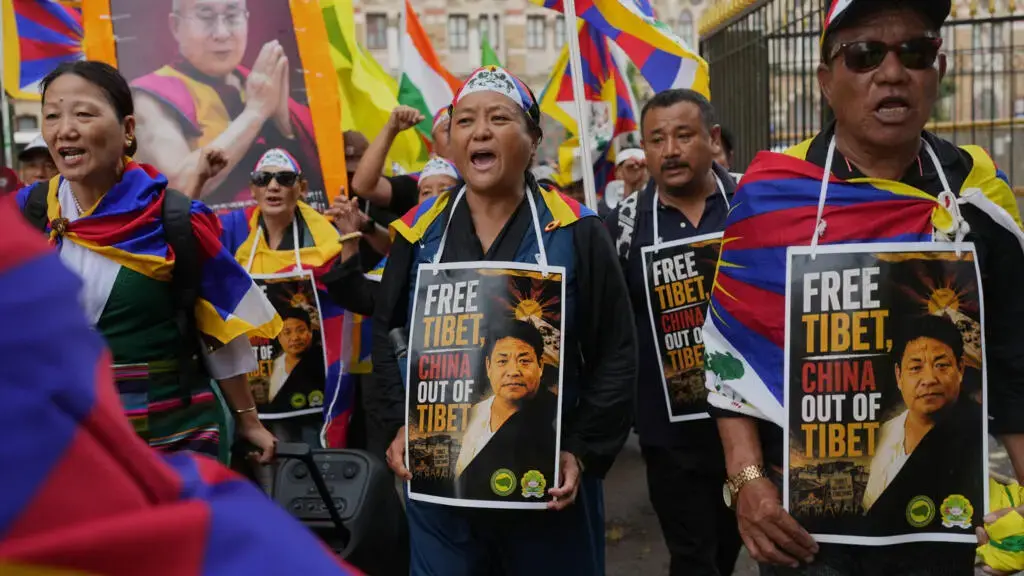
How Does the New Law Affect Tibet?
A new law in China, enacted in July, aims to strengthen national loyalty. This legislation, called the Ethnic Unity Law, is causing apprehension among Tibetans. Many fear it could further diminish their distinct cultural heritage.
Latest news
 IMF Cuts Australia Growth Forecast Amid Rate Hike Warnings
 Nicaraguan Exile Journalist Luis Galeano Detained by U.S. ICE in Florida
 Congress Passes Bill Granting Trump Expanded Sanctions Authority
 AI pioneer Yoshua Bengio warns of imminent crisis
The law seeks to promote a unified national identity across China's diverse ethnic groups. However, critics argue it prioritizes assimilation over the preservation of unique traditions. This approach has historically led to cultural suppression in regions like Tibet.
Tibet has long experienced policies that many perceive as attempts to dilute its unique culture. The new Ethnic Unity Law is seen as another step in this direction. It emphasizes patriotism and loyalty to the Chinese state above all else. This focus could lead to stricter controls on language, religion, and traditional practices.
Will Tibetan Culture Survive These Pressures?
Tibetan language education, for instance, has already faced significant challenges. Schools often prioritize Mandarin Chinese, limiting opportunities for children to learn their native tongue. Religious freedoms are also tightly controlled, with monasteries and religious leaders under close state supervision. The new law may intensify these existing pressures.
The long-term survival of Tibetan culture is a major concern for many. Generations have worked to preserve their traditions despite political changes. However, the new law presents a significant challenge to these efforts.
Activists and cultural preservationists worry about the future. They believe the law could accelerate the erosion of Tibetan identity. The emphasis on a singular national identity often comes at the expense of minority cultures. This could lead to a loss of unique customs, languages, and religious practices over time.
Frequently Asked Questions
What is the main goal of China's Ethnic Unity Law? The law aims to strengthen patriotism and national unity among all ethnic groups within China. It seeks to foster a unified national identity.
Why are Tibetans concerned about this new law? Tibetans fear the law will lead to further erosion of their distinct cultural identity. They worry about increased pressure on their language, religion, and traditional customs.
Has China implemented similar policies in the past? Yes, policies aimed at promoting national unity and assimilation have been a feature of Chinese governance in regions like Tibet for many years. This new law is seen as an extension of these existing approaches.