Rising Military Tensions in East Asia
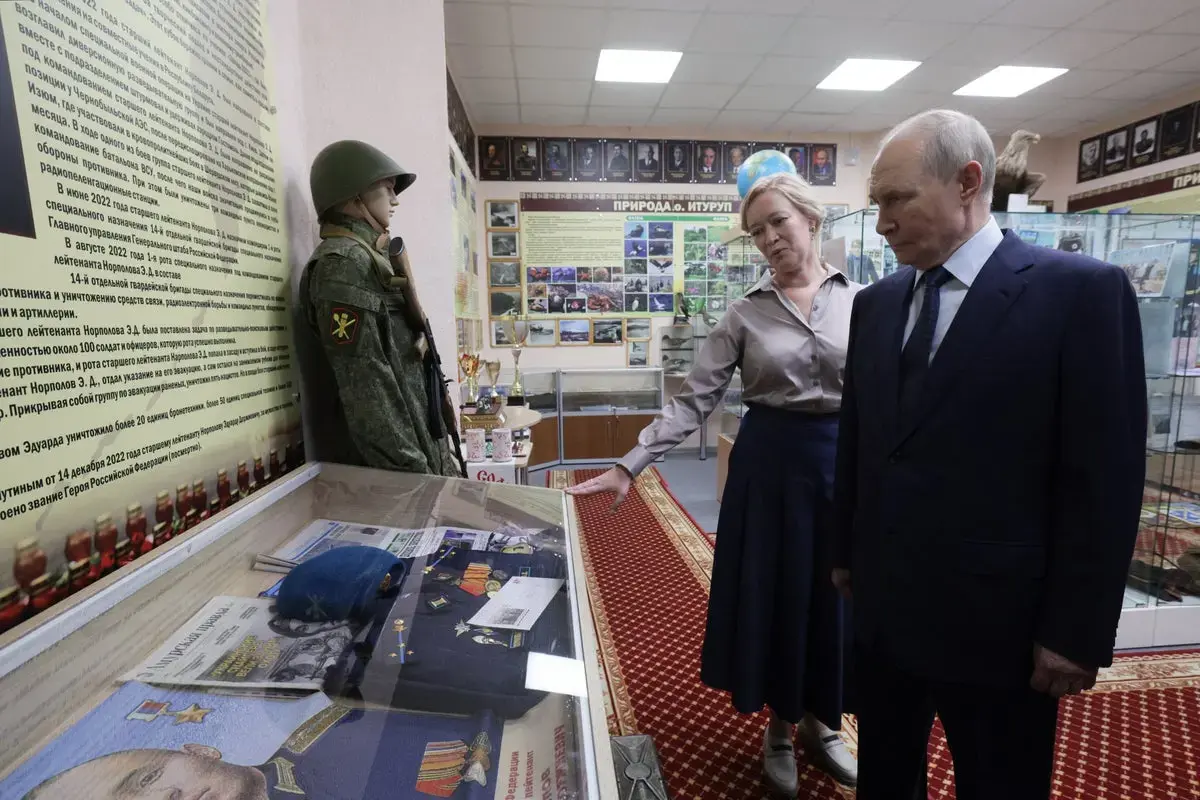
Russian President Vladimir Putin recently visited the Kuril Islands, a territory claimed by Japan. This marks his first trip to the disputed region, highlighting the deteriorating relationship between Moscow and Tokyo. The visit has raised concerns in Japan about its national security and territorial integrity.
Latest news
 Swedish Voters Choose New Parliament as Left-Wing Coalition Projects to Win Majority
 Trump Announces End of US Tariff on Irish Whisky
 Frances Stonor Saunders, Author of CIA Cultural Espionage Exposé, Dies at 66
 Israel and Lebanon to Hold Security Talks in Rome This October
The Kuril Islands have been a point of contention since the end of World War II. Russia controls the islands, but Japan insists they rightfully belong to them. Putin's visit is seen as a provocative move, particularly as Japan has been strengthening its military capabilities in response to regional threats. This shift in Japan's defense strategy reflects its growing assertiveness in the face of geopolitical tensions.
Japan's response to Russia's actions has been to enhance its defense posture. The country is increasing its military budget and expanding its Self-Defense Forces. This includes acquiring advanced weaponry and improving readiness to counter potential threats from both Russia and China. Analysts believe that Japan's military expansion is a direct reaction to perceived aggressions in the region, such as Russia's military maneuvers and China's assertiveness in the South China Sea.
What Does This Mean for Japan's Future?
Putin's visit comes at a time when Japan is also strengthening its alliances with Western nations. The U. S. has reaffirmed its commitment to Japan's security, further complicating the dynamics in East Asia. Japanese Prime Minister Fumio Kishida has emphasized the need for a united front against external threats, signaling that Japan will not back down in defending its territorial claims.
The implications of Putin's visit are significant for Japan. It raises questions about the future of diplomatic negotiations over the Kuril Islands. Historically, discussions have been stalled, and this visit may push Japan to adopt a more hardline stance. Increased military readiness could lead to a more confrontational relationship with Russia.
As Japan navigates these challenges, the potential for conflict remains a concern. The situation requires careful management to avoid escalation. Japan's strategic decisions will likely influence its relationships with neighboring countries and global powers.
Frequently Asked Questions
Why are the Kuril Islands disputed? The Kuril Islands are contested because they were occupied by Soviet forces at the end of World War II. Japan claims the islands based on historical ownership, while Russia maintains control over them.
What is Japan doing to strengthen its military? Japan is increasing its defense budget, acquiring advanced military equipment, and enhancing the capabilities of its Self-Defense Forces. This effort is aimed at addressing regional security threats and maintaining national sovereignty.
How might this impact Japan-Russia relations? Putin's visit may further strain relations between Japan and Russia. It could lead to a more aggressive Japanese defense posture and complicate future diplomatic negotiations over territorial disputes.