While state media frames losses as necessary for security, grassroots movements
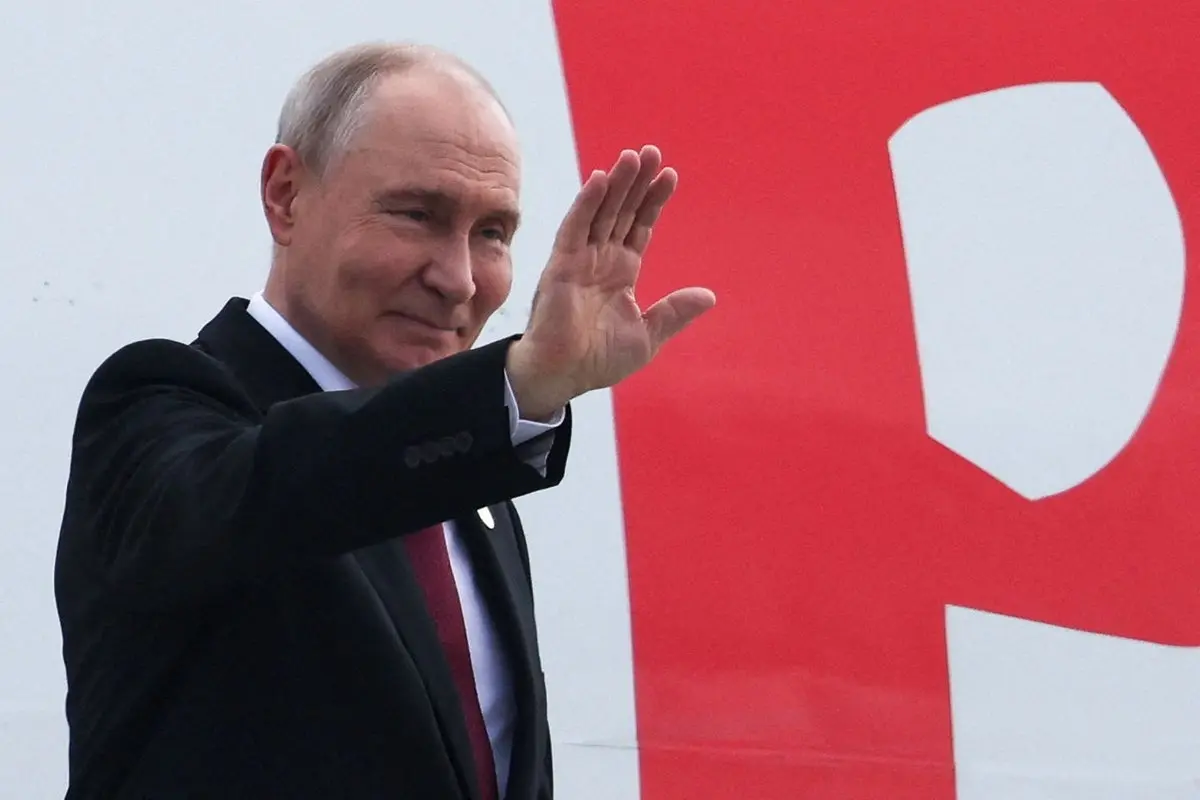
Russian President Vladimir Putin faces declining approval ratings, rising military casualties and minimal territorial gains in Ukraine as citizens cast ballots in nationwide elections. Polls opened today across Russia amid growing public concern over the prolonged conflict's human and economic costs. Analysts suggest the war's stagnation could influence voter sentiment despite official narratives of resilience and national strength. The Kremlin has reported net-zero territorial advances since March, even as battlefield losses continue to accumulate. Independent estimates indicate Russian military deaths now exceed 60,000, though official figures remain undisclosed. Approval ratings for Putin have slipped below 60% in recent surveys, a notable drop from pre-war levels exceeding 80%. Opposition voices, though largely suppressed, argue the war has drained resources without strategic benefit. How Casualties Are Shaping Public Perception Families of fallen soldiers are increasingly visible in local protests, demanding transparency and accountability.
Latest news
 China’s Fiscal Pullback Stretches Into August as Spending Slumps
 Pentagon Confirms Discussions on Deploying National Guard to Election Sites
 Earthshot Prize Highlights Positive Tipping Points in Clean Energy Transition
 Treasury Yields Show Mixed Signals Amid Policy Uncertainty
While state media frames losses as necessary for security, grassroots movements question the war's purpose. Economists warn that sustained military spending is straining regional budgets, particularly in areas far from Moscow. These pressures may translate into protest votes or lower turnout in certain regions, though systemic barriers limit organized dissent. Could Electoral Results Signal a Shift in Tolerance? Although no major challengers appear on ballots, analysts watch for patterns in invalid ballots or support for liberal-leaning local candidates as indirect signals of discontent. Historical precedents show that even managed elections can reflect public mood through subtle voting behaviors. A significant drop in United Russia's vote share, especially in urban centers, might indicate growing war fatigue despite censorship and repression. Frequently Asked Questions Is Putin's popularity really declining due to the war?
Yes, independent polling shows approval ratings have fallen from over 80% before the invasion to below 60% recently, driven by casualties and economic strain. Are opposition candidates allowed to run in these elections? No, systemic barriers prevent genuine opposition participation; most candidates are either loyal to the Kremlin or registered under controlled parties. Could election results affect Russia's war strategy? Directly unlikely, but prolonged low support may pressure leadership to seek a negotiated exit to stabilize domestic legitimacy over time.