Gold Accents and Structural Changes
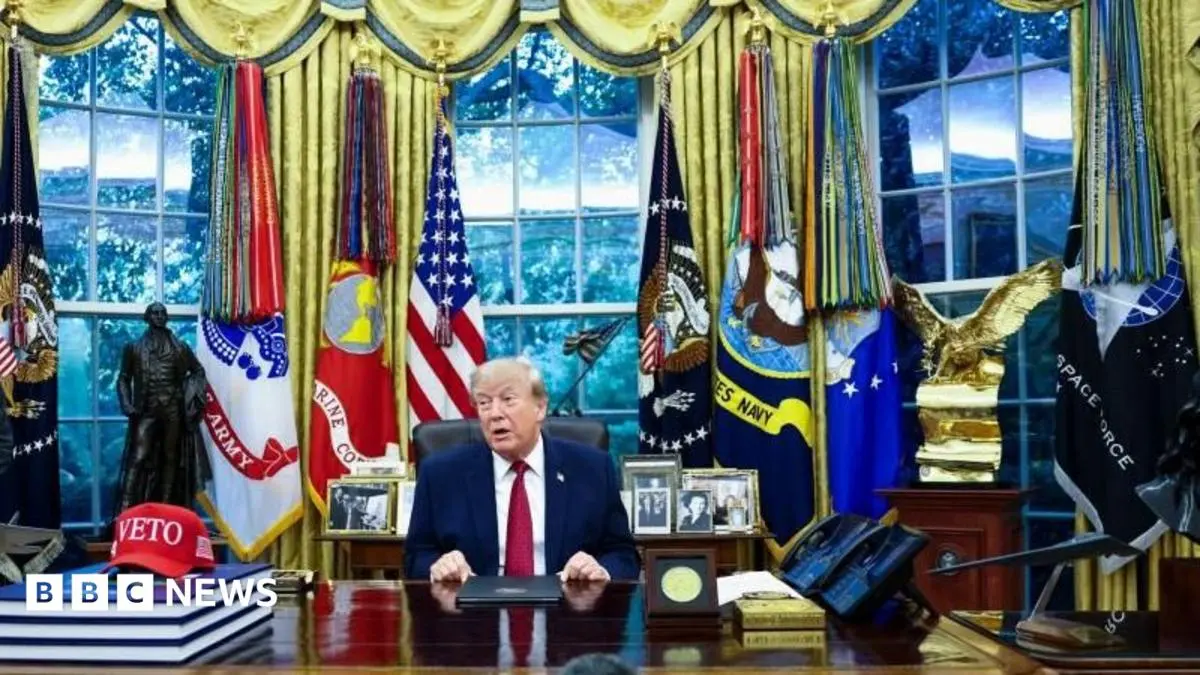
President Donald Trump signed an executive order on Wednesday. The new directive aims to restrict future leaders. It specifically targets the White House Oval Office. The order seeks to preserve the current layout. It also protects specific decorative elements. This move follows significant interior updates. Trump has heavily modified the room's aesthetic. He introduced numerous gold accents during his second term. The goal is to make these changes permanent.
Latest news
 Democrats Secure Sweeping Victory in 2026 Midterm Elections
 Foreign Policy Issues Reshaped Key Midterm Election Outcomes
 Harvest Season Strained by Military Restrictions in the West Bank
 Japan Government Bonds Rally as Global Risk-Off Move Boosts Haven Demand
The executive order addresses a long-standing practice. Past presidents often redecorated the space. They treated the Oval Office as a personal canvas. Trump’s directive attempts to halt this tradition. It focuses on preventing the removal of specific items. The order cites the unique character of the room. It argues that the current design holds historical value. This approach marks a distinct shift in policy. It prioritizes aesthetic permanence over presidential discretion.
The renovation project included substantial visual upgrades. Trump, a former real estate developer, favored opulent styles. He installed gold-leaf finishes on various surfaces. These changes were part of a broader landmark initiative. The work transformed the room’s traditional look. It moved away from the understated tones of previous administrations. The order explicitly mentions these gold features. It seeks to shield them from alteration. Critics argue this sets a new precedent. Supporters view it as preserving a distinct era. The directive does not ban all changes. However, it creates significant barriers for future modifications. It requires justification for any removal of key elements. This adds a layer of administrative complexity.
Can Future Presidents Alter the Design?
The legal implications of the order remain unclear. Executive orders can be revoked by successors. A future president could sign a new order. That new order might reverse Trump’s restrictions. This creates a potential cycle of changes. The order relies on the current administration’s authority. It does not amend the Constitution. Therefore, it lacks permanent legal standing. Legal experts note the ambiguity. They question its enforceability across party lines. The White House maintains the order is final. It frames the decision as a matter of respect. It emphasizes the room’s symbolic importance. The debate highlights tensions over presidential power. It also raises questions about institutional continuity.
The outcome depends on future political dynamics. If a successor disagrees, they may attempt changes. The order serves as a political signal. It asserts the current administration’s legacy. It aims to leave a tangible mark on history. The Oval Office will likely remain a focal point. Future leaders will face this specific constraint. The situation underscores the evolving nature of the White House. It reflects the personal styles of its occupants. The order adds a new chapter to this history. It ensures the current design remains a topic of discussion. The debate over the room’s future is far from over.
Frequently Asked Questions
What does the executive order prohibit? The order prevents future presidents from removing specific decorative elements. It focuses on preserving the current gold-leaf features. It aims to maintain the room's distinct aesthetic.
Can a future president reverse this order? Yes, a successor can sign a new executive order. That new order could revoke or modify the current restrictions. Executive orders are generally reversible by the next administration.
Does this apply to all White House rooms? The text specifies the Oval Office. It does not mention other rooms in the White House. The focus remains on the president's official workspace.