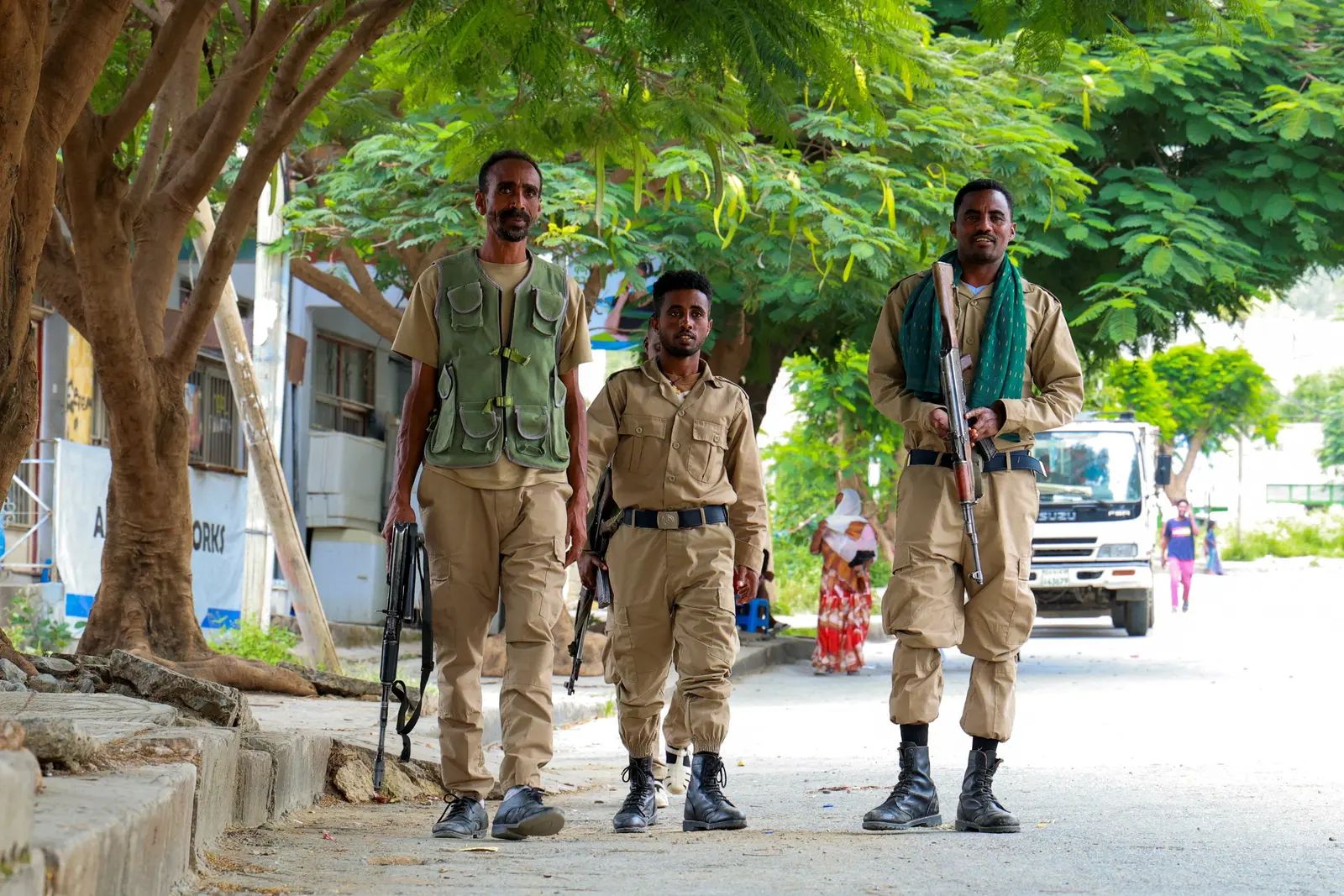
How a Renewed Conflict Could Reshape Regional Alliances
In early October, Ethiopian forces re-entered the volatile region, reigniting tensions that have simmered for years. The move comes after months of diplomatic negotiations stalled by disagreements over resource control and border demarcation. Local communities along the front lines have already felt the shock of renewed hostilities, with displacement reports rising sharply.
Latest news
 NATO Secretary General Mark Rutte urges Russia to halt nuclear threats during Euronews Defence Summit
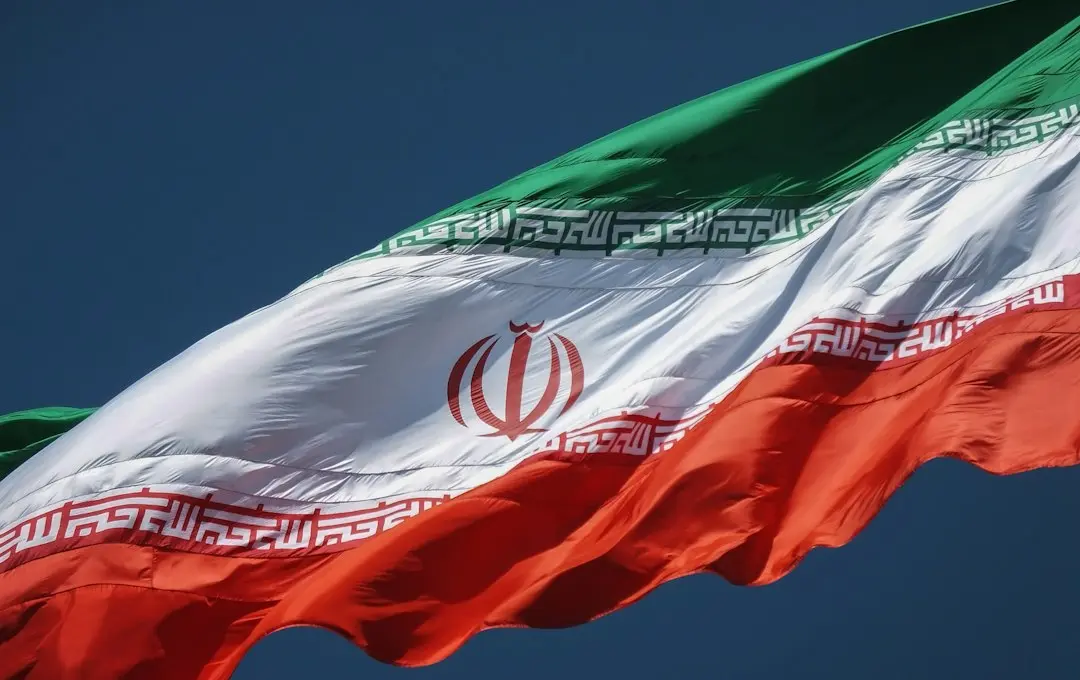 Iran's UN Delegation Departs New York Amid U.S. Expulsion Rumors
 Trump Says He Discussed Flydubai Incident With Netanyahu
 Israeli Prime Minister Netanyahu says it is too early to identify who was behind the sudden descent of a Flydubai flight from Dubai to Tel Aviv
The resurgence of hostilities is driven by a mix of political ambition and economic interests. Ethiopia’s leadership claims the return is necessary to secure vital trade routes and to assert sovereignty over disputed territories. Meanwhile, neighboring states fear that the conflict could spill over, drawing in external actors and destabilizing the fragile peace that has held since the 2000s. Analysts warn that the rapid escalation could invite intervention from regional powers, each with strategic motives in the Horn.
The re-entry of Ethiopian troops has altered the diplomatic calculus for several countries. Kenya and Somalia, both previously cautious, are now reassessing their security postures. Reports indicate that regional security councils are convening emergency sessions to discuss containment strategies. Military observers note that Ethiopia’s military buildup includes advanced artillery and air support, raising the stakes for any potential escalation. Local leaders express concern that the conflict could erode the gains of recent peace agreements and reopen old grievances.
Will Neighboring Nations Join the Fray?
Economic ramifications are already visible. Trade corridors that once facilitated the movement of goods between Ethiopia and its neighbors are being disrupted. Transport companies report delays, and commodity prices have spiked due to uncertainty. The international community has called for a ceasefire, but diplomatic channels remain strained. The United Nations has urged all parties to return to the negotiating table, emphasizing the humanitarian toll.
The question on many analysts’ minds is whether the conflict will attract external forces. Historical patterns suggest that regional actors may intervene if they perceive a strategic advantage. For instance, Sudan has hinted at supporting Ethiopia’s allies, while Eritrea has expressed concerns about border security. The potential involvement of external powers could transform a localized dispute into a broader regional war, with devastating consequences for civilians. Governments are reportedly strengthening border defenses and seeking international support to deter any spillover.
The humanitarian impact is already grave. Displacement figures have climbed, with thousands fleeing to neighboring countries. Humanitarian organizations warn of shortages in food, water, and medical supplies. The conflict’s escalation threatens to reverse years of progress in stability and development across the Horn of Africa.
Frequently Asked Questions
What triggered Ethiopia’s return to the battlefield? Ethiopia cited the need to secure trade routes and assert control over disputed territories. Diplomatic talks stalled over resource allocation and border issues, prompting a military response.
How are neighboring countries responding? Countries like Kenya and Somalia are reassessing security measures and engaging in emergency diplomatic meetings. They are also strengthening border patrols to prevent spillover.
What could be the long-term impact on regional stability? If the conflict spreads, it could invite external actors, leading to a larger war. This would reverse peace gains, increase displacement, and disrupt economic activity across the Horn of Africa.