The Shadow War of Sabotage
Poland’s top diplomat has issued a stark warning regarding the potential escalation of Russia’s ongoing invasion of Ukraine. Concerns are mounting across Europe that the conflict may soon breach national borders. Officials fear that Moscow’s aggressive tactics could destabilize neighboring NATO member states and ignite a wider regional security crisis.
Latest news
 The Kingmakers of Israeli Politics
 Spain's pension system faces growing financial pressure despite not being bankrupt
 Israeli blockade prevents access to vital care for Gaza's amputees
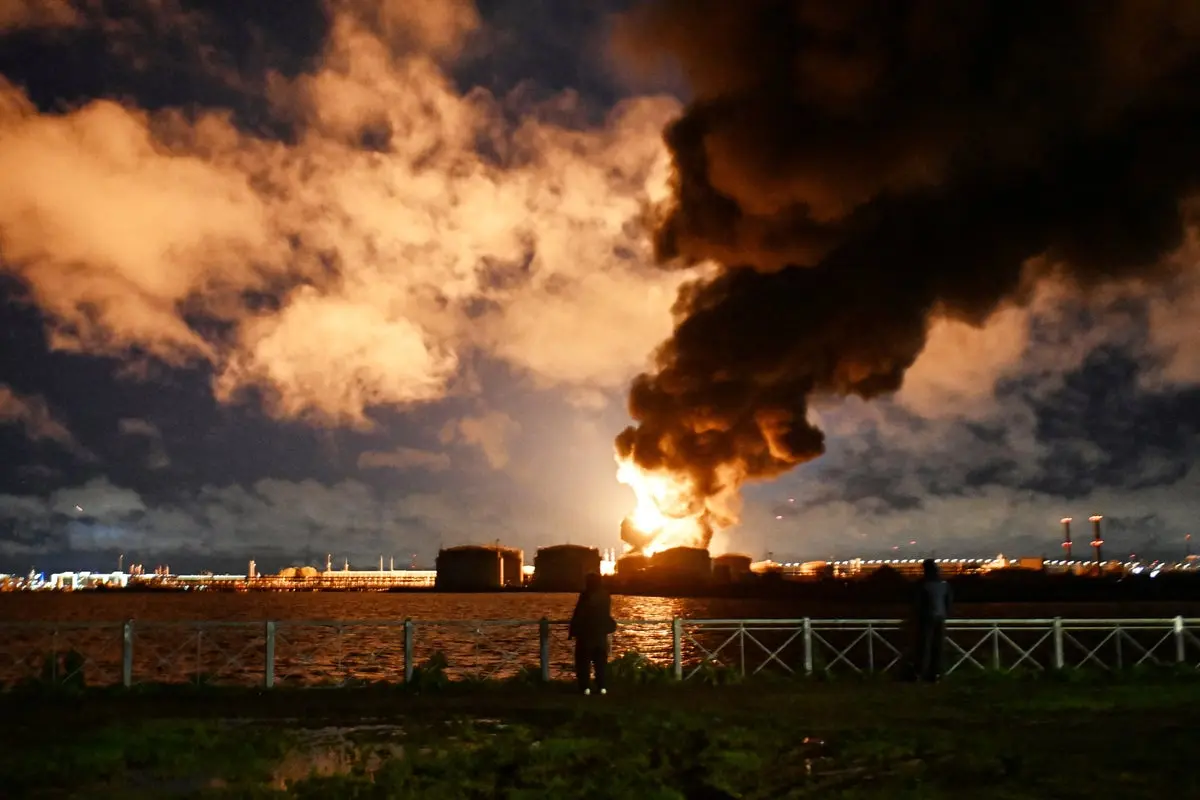 Ukraine Launches Massive Drone Assault on Russia, Incendiary Attacks Ignite Petrochemical Sites
European leaders argue that the war has already transcended Ukrainian territory. They cite a series of unsettling incidents, including unauthorized drone incursions, sophisticated cyberattacks, and targeted sabotage operations. These actions are widely viewed as a calculated strategy by the Kremlin to intimidate nations that provide military and humanitarian support to Kyiv.
The Kremlin continues to deny any involvement in these hostile activities. However, intelligence officials across the continent suggest that Moscow is actively probing the defenses of NATO allies. By engaging in hybrid warfare, Russia aims to create internal instability without triggering a direct, full-scale military confrontation that would invoke Article 5.
Is Europe Prepared for a Wider Conflict?
This gray-zone aggression keeps border nations in a state of high alert. Governments are currently reevaluating their security protocols to counter persistent digital threats and physical provocations. The atmosphere of uncertainty has forced a shift in regional defense policy, as countries prepare for the possibility of a broader security breakdown.
The geopolitical landscape remains fragile as diplomatic channels struggle to de-escalate the situation. If these incursions continue, the risk of a miscalculation leading to open conflict increases significantly. NATO members are now under immense pressure to bolster their eastern defenses while maintaining a delicate balance of deterrence.
Frequently Asked Questions
The outlook remains grim as long as the conflict in Ukraine persists. European security architecture faces its most significant test since the Cold War. Future stability depends on the ability of the alliance to project strength and unity against these persistent, low-level threats.
Why are European nations concerned about spillover? Leaders fear that Russia’s use of drones and cyber warfare against allies is a precursor to a larger regional conflict. These incidents are seen as deliberate attempts to destabilize the eastern flank of NATO.
What is the Kremlin’s official stance on these allegations? The Russian government has formally denied any responsibility for the reported incursions and sabotage. They dismiss the claims made by European officials as unfounded accusations.