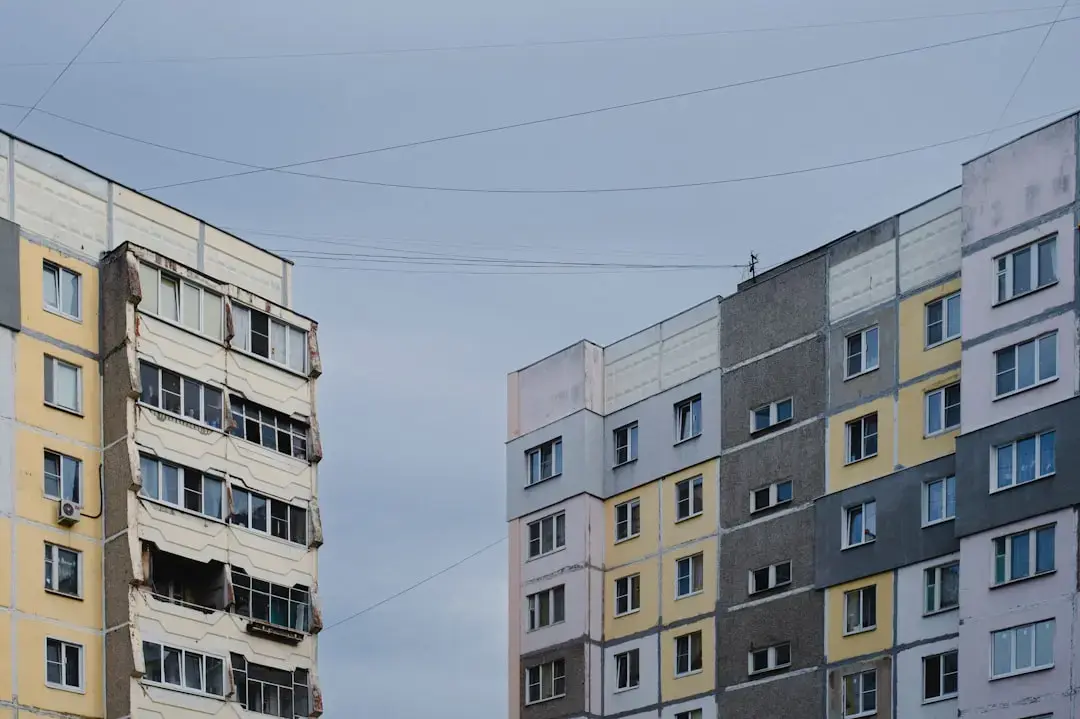
From rubble to towers: the accelerated rebuild plan
In Mariupol, now under Russian control, new high‑rise blocks are rising on the footprints of buildings destroyed earlier this year. Construction began in spring 2026, and Russian officials say the projects will provide housing for „new residents.” The former Ukrainian occupants have been displaced, many fleeing the city or forced into temporary shelters.
Latest news
 Swedish Voters Choose New Parliament as Left-Wing Coalition Projects to Win Majority
 Trump Announces End of US Tariff on Irish Whisky
 Frances Stonor Saunders, Author of CIA Cultural Espionage Exposé, Dies at 66
 Israel and Lebanon to Hold Security Talks in Rome This October
The reconstruction drive follows a pattern of rapid rebuilding in occupied territories. Russian authorities claim the towers replace „war‑damaged” structures, aiming to showcase a „new era” of stability. Satellite images show concrete frames rising where low‑rise apartments once stood. Local officials allege the projects are financed by Russian state funds and private investors aligned with Moscow. Critics argue the effort erases evidence of the destruction and seeks to legitimize the occupation.
Construction crews work around the clock, using prefabricated panels to speed up erection. Within weeks, each floor is completed, a stark contrast to the months‑long delays that plagued Ukrainian rebuilding efforts before the invasion. Engineers cite the need to accommodate a growing Russian military presence in the city.
Who will occupy the new high‑rise apartments?
Residents of nearby districts report increased traffic and noise, while humanitarian groups warn that the new buildings may be allocated to Russian soldiers and their families, leaving little room for returning Ukrainians. „The skyline is changing, but the people who lived here are gone,” said a local activist who fled the city in February.
Russian officials have not released a detailed allocation list, but statements from the occupation administration suggest the towers will house „citizens of the Russian Federation” and „veterans of the armed forces.” Some reports indicate that former Ukrainian tenants received notices to vacate, with compensation described as „minimal.”
Analysts fear the policy aims to solidify Russian demographic control over Mariupol. If the apartments are filled by Russian newcomers, the city’s cultural and linguistic landscape could shift dramatically. Meanwhile, displaced Ukrainians face uncertain futures, relying on aid agencies for shelter in neighboring regions.
The emergence of these towers signals a long‑term strategy to reshape Mariupol’s urban fabric. International observers warn that such reconstruction may violate international law by altering the character of occupied territory. As the war continues, the fate of the city’s original residents remains a pressing humanitarian concern.
Frequently Asked Questions
What happened to the Ukrainian residents displaced by the new construction? Most have been forced to leave Mariupol, seeking refuge in other Ukrainian regions or abroad. Those who stayed received limited assistance and were urged to relocate to temporary shelters.
Are the new buildings intended for civilian or military use? Russian statements frame the apartments as civilian housing, yet many analysts believe they will primarily serve military personnel and their families, reinforcing the occupation’s presence.
How does the international community view this reconstruction effort? Many governments and human‑rights groups criticize the rebuild as an attempt to legitimize the occupation and warn it may breach international humanitarian law.