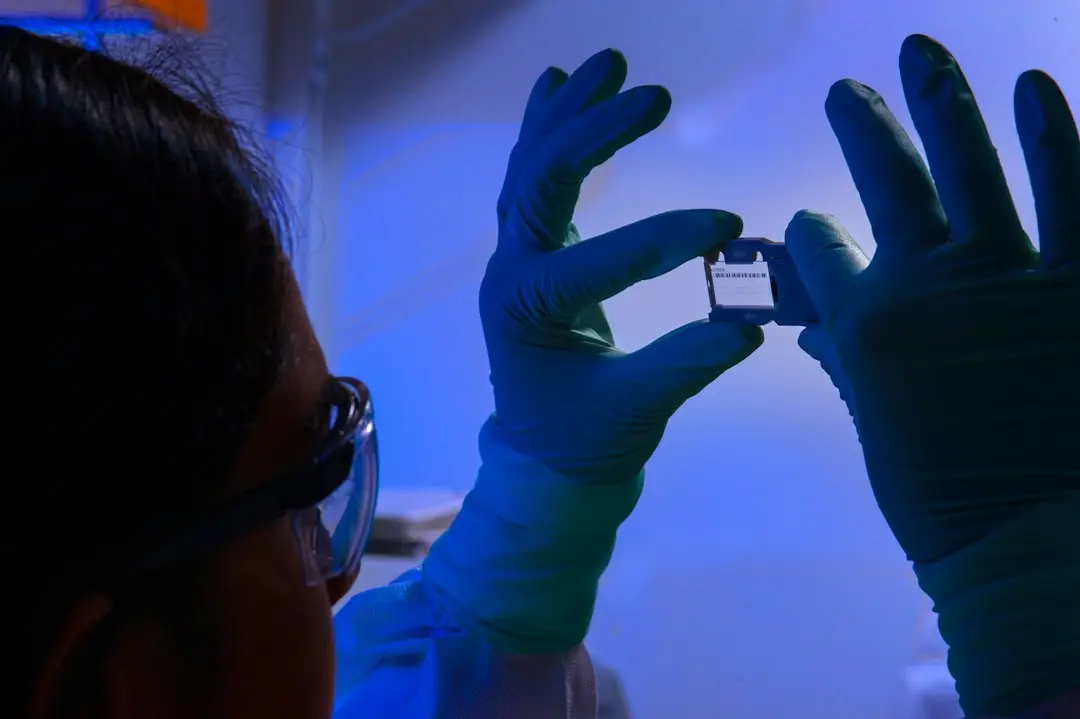
Reaching Deeper: The Experimental Setup
A research team from the University of Oslo deployed perovskite‑based solar panels 10 meters below the ocean surface. The goal was to determine whether these panels can generate power while submerged. The experiment took place in a controlled marine environment off the Norwegian coast on September 26, 2026.
Latest news
 Iran Declares Conflict With Washington Far From Over
 US denies Iran captured underwater drones in Strait of Hormuz
 Cognac Faces Trade‑War Fallout as Sales Slump
 Home Office Faces Lawsuits After Revoking EU Residents’ Rights
Perovskite materials have attracted attention for their high light‑absorption efficiency and low production cost. Unlike traditional silicon panels, they can be manufactured in flexible, lightweight formats, making them suitable for marine applications. The scientists wanted to see if the panels could survive water pressure and still convert light into electricity when the water column attenuates sunlight.
The panels were mounted on a remotely operated vehicle that descended to 10 meters. Sensors recorded temperature, salinity, and light intensity. The device also monitored electrical output and any physical changes to the panel surfaces. Dr. Ingrid Larsen, the lead researcher, explained, „We designed the test to mimic real‑world conditions for sub‑sea installations. The pressure at 10 meters is significant, but manageable for a short trial.”
During the 30‑minute immersion, the panels produced an average of 150 watts per square meter, a 15% drop from their surface‑level performance. The researchers noted that the panels remained intact, with no visible corrosion or delamination. „The perovskite layer showed remarkable resilience,” said Dr. Larsen. „We observed no degradation after 10 minutes of submersion.”
Can Underwater Solar Power Transform Marine Operations?
The experiment also examined the panels’ ability to self‑clean. In the presence of seaweed and plankton, the panels’ surfaces remained largely free of biofouling, suggesting that the perovskite coating may resist marine growth. The team plans to extend the test to deeper waters and longer durations.
The implications of successful underwater solar technology are broad. Autonomous underwater vehicles could draw power directly from the sea, eliminating the need for battery swaps. Offshore wind farms might incorporate sub‑sea solar arrays to supplement energy output. Even small coastal communities could use submerged panels to power desalination units or tide‑gauge stations.
However, challenges remain. Long‑term exposure to saltwater can cause corrosion, and maintenance of submerged equipment is costly. Energy storage solutions must be integrated to manage the intermittent nature of underwater light. The researchers are exploring encapsulation techniques and hybrid systems that pair perovskite panels with supercapacitors.
Frequently Asked Questions
If the technology scales, it could reduce reliance on underwater cables that currently dominate marine power transmission. The ability to generate clean energy directly at sea would also lower environmental footprints and open new markets for renewable energy firms.
What is perovskite? Perovskite is a crystalline material that can be engineered to absorb sunlight efficiently. It is cheaper to produce than silicon and can be made flexible.
How does depth affect solar panels? Water absorbs and scatters sunlight. At 10 meters, light intensity drops, so panels produce less power. Pressure also stresses the panels, but perovskite’s flexibility helps it withstand moderate depths.
Are there safety concerns with underwater solar panels? The main concerns are corrosion and biofouling. Proper sealing and anti‑fouling coatings can mitigate these risks. The panels are also designed to be non‑lethal to marine life.