Geopolitical Factors Fueling Gains
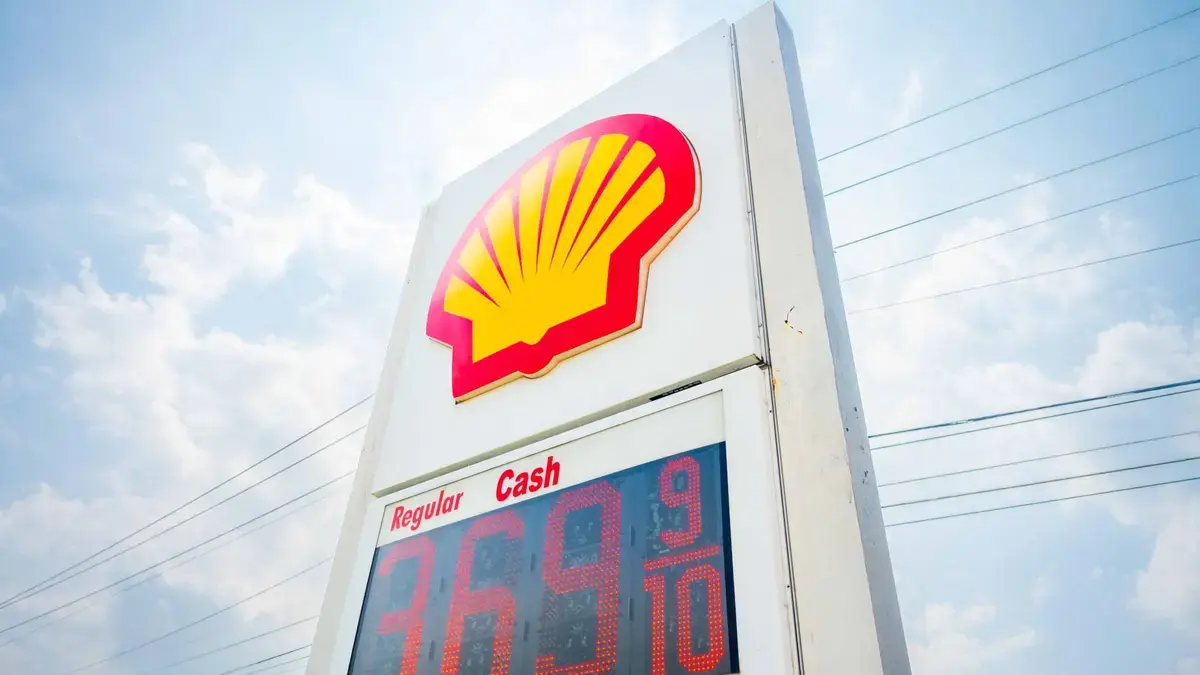
Shell announced first-quarter earnings of $6.92 billion Thursday. The strong results were driven by increased oil prices. These prices rose due to ongoing conflict in Iran. The company is based in London.
Latest news
 Ukraine Strikes Persist While Russian Polling Stations Open for Election
 Macron Calls French Party Leaders Together as Energy Costs Surge Amid Iran and Ukraine Conflicts
 US Voters Oppose War on Iran, 71% Say Trump Administration Lacks Strategy
 French President Warns of Rising Russian Hybrid Threats to Europe
The energy giant significantly exceeded profit expectations. Higher fossil fuel costs directly impacted the financial performance. Shell benefited from global instability and increased demand. This surge in earnings comes despite a reduction in share buybacks.
The war in Iran created substantial disruption to global oil supplies. This disruption pushed prices upwards, benefiting major oil companies like Shell. Increased geopolitical risk often translates to higher energy costs. Consumers are ultimately bearing the brunt of these elevated prices.
Will Reduced Buybacks Affect Investors?
Shell’s financial performance highlights the continued reliance on fossil fuels. Despite growing investment in renewable energy, oil and gas remain central to the company’s profits. This dependence raises questions about the pace of the energy transition. It also underscores the influence of global events on energy markets.
Shell decided to scale back its share buyback program. This move surprised some investors, who anticipated continued returns. The company cited a need to prioritize investments in its energy transition strategy. It also wants to strengthen its balance sheet.
Reducing buybacks could impact shareholder value in the short term. However, Shell argues that long-term investments are crucial. These investments will position the company for a sustainable future. The decision reflects a shift in priorities toward cleaner energy sources.
Frequently Asked Questions
The company’s strong earnings provide financial flexibility. Shell can now invest more heavily in renewable energy projects. This will help it meet its climate goals and adapt to changing market demands. The future outlook remains uncertain, but Shell appears committed to navigating the energy transition.
What impact does the Iran conflict have on oil prices? The conflict disrupts oil supply chains. This creates uncertainty and drives up prices. Reduced supply combined with consistent demand leads to increased costs for consumers.
Why did Shell cut share buybacks? Shell wants to invest in cleaner energy. It also aims to strengthen its financial position. Reducing buybacks frees up capital for these strategic priorities.