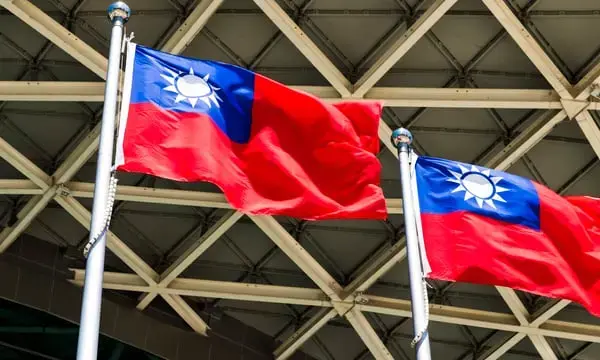
Bridging Geopolitical Gaps: A Shared Experience
In a recent discussion, Aleksandra Gasztold explored the lessons Taiwan and Eastern Europe, particularly Poland, can share in the face of hybrid warfare. As both regions navigate an increasingly complex geopolitical landscape, understanding each other's experiences could prove invaluable.
Latest news
 Swedish Voters Choose New Parliament as Left-Wing Coalition Projects to Win Majority
 Trump Announces End of US Tariff on Irish Whisky
 Frances Stonor Saunders, Author of CIA Cultural Espionage Exposé, Dies at 66
 Israel and Lebanon to Hold Security Talks in Rome This October
The rise of cyber warfare and cognitive manipulation has created new challenges for countries worldwide. Taiwan, situated in a tense relationship with China, faces constant threats to its sovereignty. Meanwhile, Poland, positioned at the heart of Europe, grapples with pressures from Russia. These situations highlight the importance of collaboration and knowledge exchange between Taiwan and Eastern Europe.
Gasztold emphasized the similarities between Taiwan’s and Poland’s struggles. Both regions are under the watchful eye of aggressive neighbors, leading to a heightened need for strategic defense. Taiwan has developed a robust cybersecurity framework, while Poland has bolstered its military capabilities in response to regional threats.
The interview revealed that Taiwan's approach to public awareness regarding cybersecurity could serve as a model for Poland. In Taiwan, citizens are educated about the risks of misinformation and cyber attacks, fostering a culture of vigilance. This proactive stance could help Poland enhance its own public awareness campaigns.
How Can Taiwan and Poland Collaborate More Effectively?
Gasztold noted that both regions can learn from each other's historical contexts. Poland's experience with Soviet influence and Taiwan's struggle against authoritarianism provide valuable insights into resilience and democratic governance. These lessons can guide both regions in shaping their responses to modern threats.
Gasztold suggested that formal partnerships could enhance cooperation between Taiwan and Poland. Joint military exercises and cybersecurity drills could strengthen their defenses. Additionally, sharing intelligence on disinformation campaigns could empower both nations to counteract threats more effectively.
Moreover, cultural exchanges could foster deeper understanding and solidarity. By promoting educational programs and joint initiatives, Taiwan and Poland can build a network of support against common adversaries. This collaboration could also extend to economic ties, benefiting both regions in the long run.
Frequently Asked Questions
The implications of this partnership are significant. As Taiwan and Poland continue to face external pressures, their collaboration could serve as a model for other nations confronting similar challenges. Their ability to adapt and learn from one another may ultimately enhance their resilience in an unpredictable world.
What are the main threats facing Taiwan and Poland? Both Taiwan and Poland confront aggressive actions from neighboring countries. Taiwan faces ongoing threats from China, while Poland deals with Russian influence and military posturing.
How can Taiwan's cybersecurity strategies help Poland? Taiwan's proactive public awareness campaigns about cybersecurity and misinformation can serve as a model for Poland, helping to educate its citizens on potential threats.
What forms of collaboration are being considered? Potential collaborations include joint military exercises, intelligence sharing on disinformation, and cultural exchanges to strengthen ties and enhance mutual understanding.