A Unified Front on Energy: What the Parties Agreed
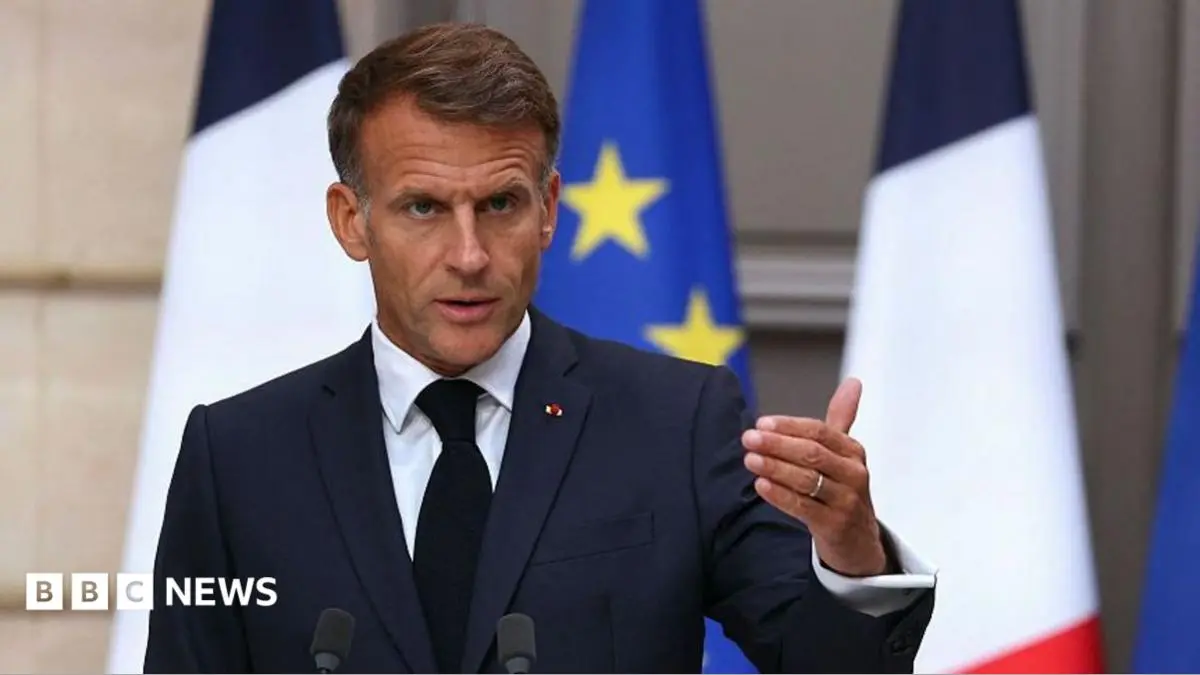
Paris, September 18 — French President Emmanuel Macron convened the heads of the nation’s major political parties on Monday for an emergency session at the Élysée Palace. The meeting, held in response to a sharp rise in electricity and gas prices, aimed to coordinate a unified stance as Europe grapples with the fallout from the wars in Iran and Ukraine. The gathering included leaders from the centre‑right, centre‑left, and far‑right, all tasked with shaping policy that could shield households from soaring utility bills while maintaining support for Ukraine’s defence and addressing tensions with Tehran.
Latest news
 Ukraine Strikes Persist While Russian Polling Stations Open for Election
 US Voters Oppose War on Iran, 71% Say Trump Administration Lacks Strategy
 French President Warns of Rising Russian Hybrid Threats to Europe
 US Watches Sidelines as Houthis Seize Bab al-Mandeb Over Shipping Dispute
Macron’s call comes as the European energy market reels from disrupted supply chains, sanctions on Russian fuel, and reduced Iranian oil exports following renewed hostilities in the Middle East. Analysts warn that without swift action, French consumers could see monthly energy bills climb by up to 30 percent. The president urged parties to set aside partisan differences and back a comprehensive plan that combines temporary subsidies, accelerated investment in renewable infrastructure, and diplomatic efforts to secure alternative gas routes. Economic experts stress that a coordinated approach is essential to prevent social unrest and protect France’s commitment to the EU’s energy‑security agenda.
During the closed‑door talks, participants outlined a three‑pronged strategy. First, the government will extend the current „energy voucher” scheme, providing direct cash relief to low‑income families until the end of the year. Second, a fast‑track legislative package will be introduced to fasten the approval of offshore wind farms and solar parks, aiming to add 15 GW of renewable capacity by 2030. Third, Macron pledged to intensify diplomatic channels with both Kyiv and Tehran, seeking to negotiate safe passage for humanitarian aid while keeping energy supplies stable.
Can France Balance Support for Ukraine with the Need to Engage Iran?
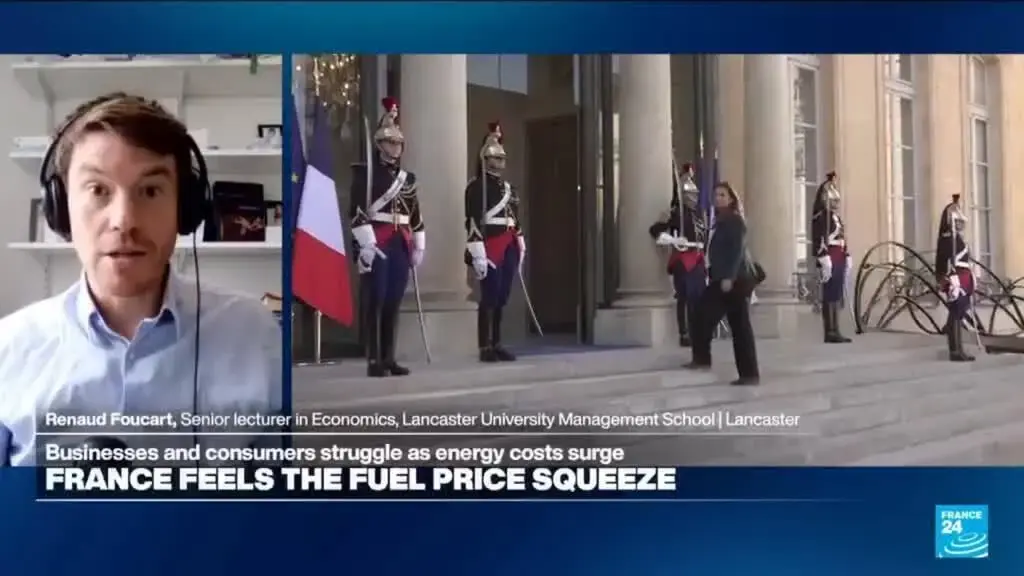
Renaud Foucart, a professor of economics at the University of Lancaster, praised the initiative, noting that „targeted fiscal measures combined with a clear renewable roadmap can mitigate the immediate pain while positioning France for a greener future.” He added that the war in Ukraine has already forced Europe to rethink its reliance on Russian gas, and the renewed conflict in Iran threatens to further tighten global oil markets.
The dual‑front challenge raises a pressing question: how will France navigate its alliance with Ukraine while maintaining dialogue with Iran, a key player in regional stability? Critics argue that any hardline stance on Tehran could jeopardize potential energy deals, yet human‑rights advocates warn against overlooking Iran’s aggressive policies. Macron’s team indicated that diplomatic outreach will focus on de‑escalation and humanitarian corridors, aiming to separate energy negotiations from broader geopolitical disputes.
Observers note that the EU’s recent sanctions on Iranian oil have already contributed to price spikes, and a coordinated European response could help alleviate pressure on member states. However, the success of such a diplomatic balancing act will depend on Tehran’s willingness to engage constructively, a factor that remains uncertain.
The outcome of Monday’s meeting could set the tone for France’s domestic and foreign policy over the coming months. If the proposed measures gain parliamentary approval, households may receive timely relief, and France could reinforce its role as a leader in Europe’s energy transition. Conversely, failure to reach consensus could fuel public discontent and weaken France’s influence in ongoing international negotiations.
Frequently Asked Questions
What immediate relief will French households receive? The government will extend the existing energy voucher program, delivering a one‑off payment to eligible families to offset higher utility bills through December.
How will the new renewable plan be funded? Funding will come from a mix of public investment, EU recovery funds, and private sector partnerships, with an emphasis on accelerating permits for wind and solar projects.
Will France’s stance on Iran affect its energy security? Paris aims to keep diplomatic channels open with Tehran to explore alternative oil supplies, while simultaneously supporting sanctions that target illicit activities. The balance seeks to safeguard energy imports without compromising broader security concerns.