Eligibility Gaps Leave Millions Excluded
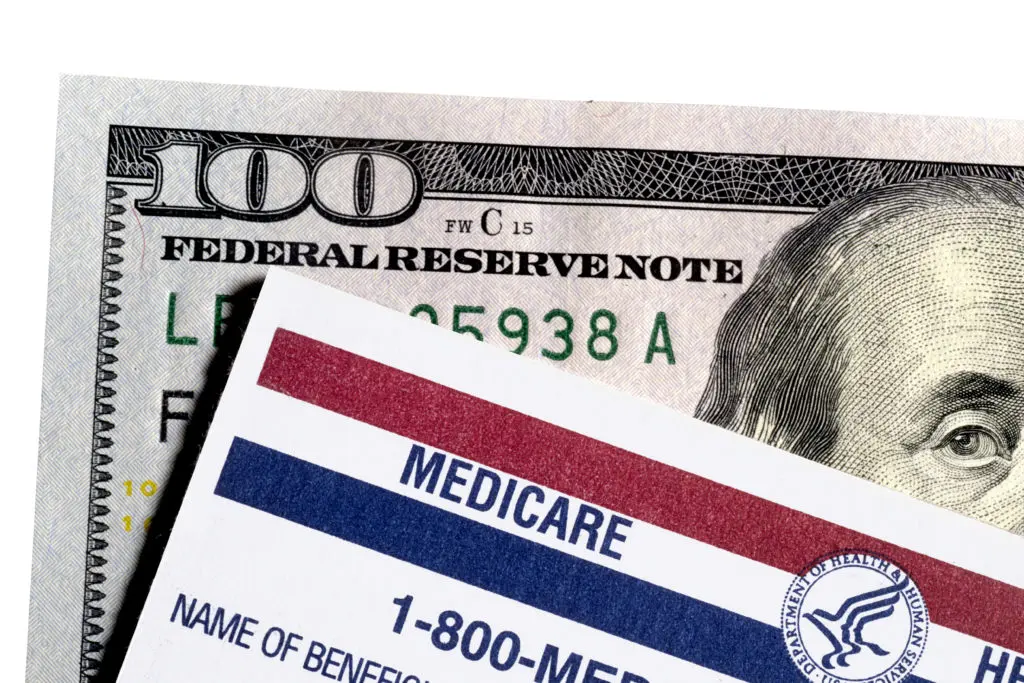
President Donald Trump announced a one-time $90 payment to Medicare beneficiaries, saying his administration will roll out the rebate this week. The move promises short‑term relief but leaves millions of enrollees without any benefit, sparking criticism that the gesture is politically motivated.
Latest news
 Leader of Jewish Greens Calls for Polanski to Step Down After Defeat
 EU Unveils Critical Mineral Projects List Focused on Clean Energy Metals
 Navanethem „Navi” Pillay Wins 2026 Nobel Peace Prize for Advancing Global Justice
 The Supreme Court’s recent ruling has reignited the fight against conversion therapy for LGBTQ+ youth
The administration says the payment will be funded from the federal budget and will begin distribution this week. It is presented as a quick fix for seniors facing higher medication costs, though the amount is modest compared to typical expenses.
The $90 check will be sent directly to beneficiaries' bank accounts. Officials say the payment is a one‑time gesture intended to ease short‑term financial pressure. It targets only those enrolled in Medicare Part D prescription drug plans. That excludes roughly 15 million seniors who lack such coverage.
Is a $90 Rebate Enough to Address Rising Drug Prices?
Health policy analysts note that a $90 payment barely covers a single month's worth of high‑cost medications. For many seniors, monthly drug expenses exceed $300, making the rebate symbolic rather than substantive. The administration argues the amount signals commitment to lowering costs, but critics contend it is a superficial political move ahead of the election cycle. They point out that no broader reforms to drug pricing have been announced, leaving the rebate as the only immediate action.
Many seniors spend more than $300 each month on prescriptions, so the $90 check offers limited relief. The administration says the payment demonstrates its focus on reducing drug costs, yet critics view it as a short‑term political gesture. No legislative changes to lower drug prices have been announced, leaving the rebate as the only immediate action. If the measure does not expand, beneficiaries may still face unaffordable medication bills.
Without additional aid, millions could remain unable to afford essential medicines. Congressional leaders may use the controversy to push for broader Medicare drug price negotiations. Whether the $90 payment becomes a lasting policy or a fleeting election tactic remains uncertain.
Frequently Asked Questions
Who is eligible for the $90 Medicare rebate? Only beneficiaries enrolled in Medicare Part D prescription drug plans qualify. Those without such coverage, or with supplemental plans that already cover drug costs, are excluded.
How will the payment be delivered? The Treasury will issue the $90 directly to eligible recipients via electronic funds transfer to their existing bank accounts. No application is required.
What are critics saying about the timing of the rebate? Critics argue the announcement coincides with the upcoming election, calling it a political stunt rather than a genuine effort to reduce drug costs. They say it distracts from needed long‑term reforms.