Building an AI Guard: What the „AI Force” Will Do
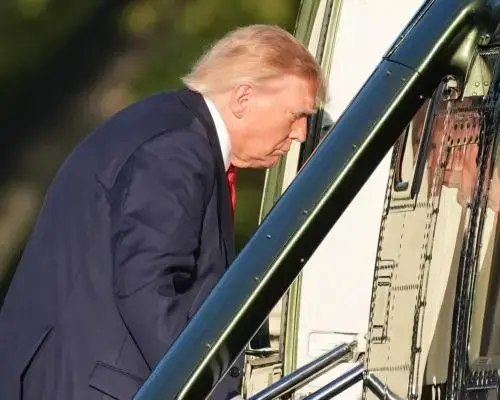
Donald Trump announced on Saturday that he will appoint an artificial intelligence czar and establish an „AI Force” to oversee the technology, offering little detail on the roles or structure. The move comes amid rising global concerns about AI’s rapid development and potential misuse.
Latest news
 Australia Seeks Tech Giant Help to Bolster Online Safety and AI Rules
 Iran Sets Seven Conditions for US Talks as Saudi Forces Thwart Riyadh Attack
 Former Syrian General Arrested Over Civil War Operations
 Turkiye pledges military support to Riyadh as Houthi threats rise
The announcement was made during a press briefing in Washington, where Trump emphasized the need for vigilance without slowing innovation. He dismissed calls from some members of his own party to temper AI growth, arguing that restraint could hinder American competitiveness. The president’s comments followed a week of heightened alarm from industry leaders who warned of AI’s risks, including potential job displacement and security threats.
The proposed AI Force aims to monitor AI applications across government and industry. Trump said the czar would coordinate with federal agencies, ensuring compliance with safety standards and ethical guidelines. While he did not outline specific powers, the plan is intended to prevent rogue AI deployments that could threaten national security or public welfare. The initiative is part of a broader strategy to keep the United States at the forefront of technological leadership while addressing emerging risks.
Is This Enough? How Will the Czar Be Selected?
Industry experts note that similar oversight bodies have been effective in other high‑tech sectors. They stress the importance of clear mandates and transparent reporting. Critics worry that a single czar could concentrate too much influence, potentially stifling innovation. Trump’s statement, however, frames the role as a protective measure rather than a regulatory brake.
The selection process for the AI czar remains unclear. Trump hinted that the appointment would be made by the President, but no criteria or timeline were provided. Questions arise about the qualifications required and how the czar will interact with existing agencies such as the Department of Defense and the National Institute of Standards and Technology. The lack of detail has prompted calls for a more comprehensive plan, including stakeholder input and a clear accountability framework.
The initiative also raises legal questions about the scope of executive power in regulating emerging technologies. Some lawmakers suggest that bipartisan support will be essential to avoid politicization of AI oversight. Meanwhile, tech companies are monitoring the announcement closely, as the new framework could influence investment and research priorities.
The outcome of Trump’s AI oversight proposal could reshape how the United States approaches artificial intelligence. If the AI Force is implemented effectively, it may provide a balanced approach to innovation and safety. If not, the country risks falling behind in a rapidly evolving global tech landscape.
Frequently Asked Questions
What is the main goal of the proposed AI Force? The AI Force is intended to monitor AI development, ensuring safety and compliance with ethical standards while preserving U. S. leadership in technology.
How will the AI czar be chosen? The president will appoint the czar, but no specific selection criteria or timeline have been announced yet.
Will this initiative slow down AI innovation? Trump argues it will not; the plan is designed to protect against risks without stifling progress, though critics remain uncertain about its practical impact.