A New Balance of Power in the Middle East
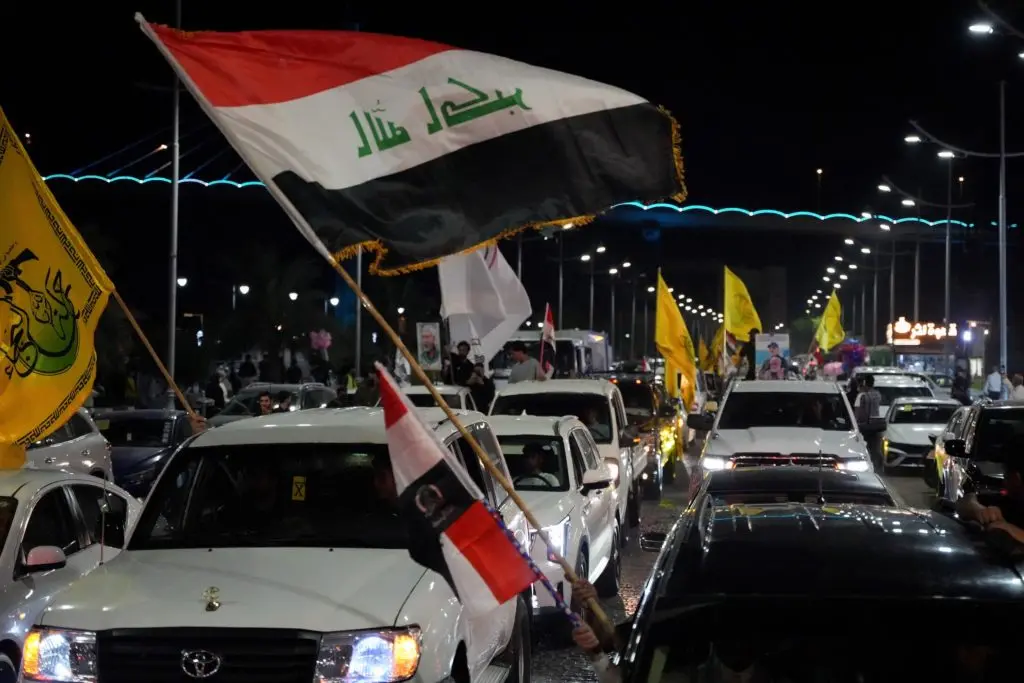
On September 30, 2026, U. S. troops officially left Iraq, ending a 20‑year military presence. The withdrawal followed a phased drawdown that began in 2021, with the last convoy leaving the country on the day of the ceremony. Iraqi officials welcomed the exit, while U. S. leaders framed it as a strategic shift.
Latest news
 Iran's UN Delegation Departs New York Amid U.S. Expulsion Rumors
 Trump Says He Discussed Flydubai Incident With Netanyahu
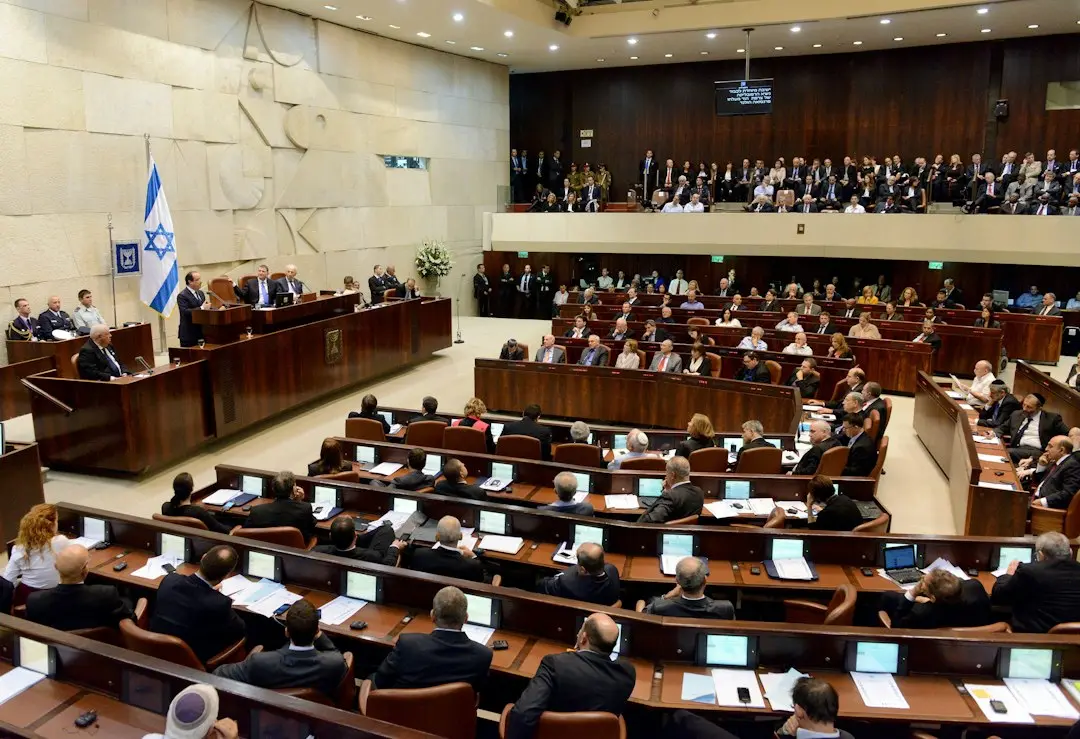 Israeli Prime Minister Netanyahu says it is too early to identify who was behind the sudden descent of a Flydubai flight from Dubai to Tel Aviv
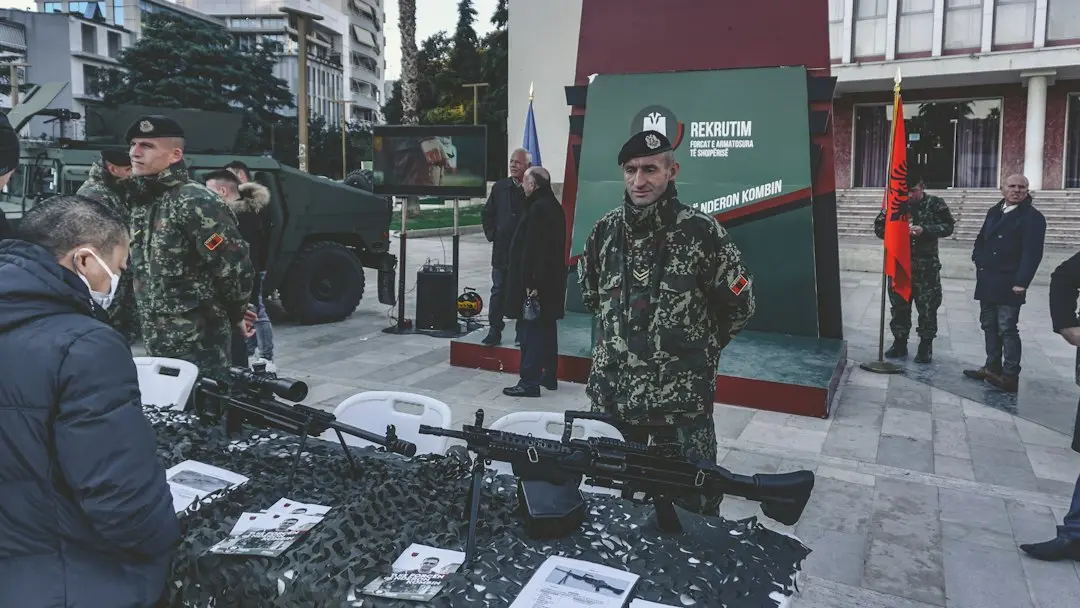 The British Military Chief Warns of a Europe‑Wide Conflict
The decision came after Iraq signed a new security agreement with Iran and achieved greater domestic stability. U. S. officials cited a decline in insurgent activity and a desire to reallocate resources to other theaters. Former diplomats note that the withdrawal reflects a broader recalibration of U. S. foreign policy in the region.
Iraq’s political landscape has shifted since the U. S. exit. The ruling coalition now has stronger ties to Tehran, while Sunni groups in the north remain fragmented. Former ambassador to Iraq, John Carter, said the country is finding its footingamid a complex web of alliances. Saudi Arabia has increased its diplomatic engagement, offering economic incentives to Iraq. Meanwhile, the United Arab Emirates has stepped up security cooperation with Iraqi forces.
Will the U. S. Stay a Stakeholder?
Regional rivals view the U. S. departure with mixed feelings. Iran sees an opportunity to deepen influence in Iraq, while Israel worries about potential instability. The Gulf states have pledged to support Iraq’s sovereignty through joint training exercises. Analysts suggest that the power vacuum could lead to a realignment of regional alliances.
Despite the troop withdrawal, U. S. diplomatic and intelligence presence remains robust. Former diplomat Lisa Nguyen emphasized that Washington will continue to provide advisory support to Iraqi security forces. The U. S. Embassy in Baghdad will host regular meetings with Iraqi officials on counterterrorism and economic development. Additionally, the U. S. has committed to a new aid package aimed at strengthening Iraq’s border security.
Questions remain about the long‑term impact on U. S. influence. Some experts argue that the absence of a military footprint could weaken American leverage in the region. Others believe that a diplomatic approach will allow the U. S. to maintain strategic ties without direct intervention. The outcome will hinge on Iraq’s ability to manage internal divisions and external threats.
The withdrawal signals a shift in U. S. priorities. While the immediate risk of a security vacuum is low, the long‑term stability of Iraq will depend on sustained cooperation between Iraqi forces and international partners. Regional actors will likely adapt to the new balance, seeking to fill the void left by U. S. troops. The future of Middle Eastern geopolitics will be shaped by how these dynamics evolve over the coming years.
Frequently Asked Questions
How many U. S. troops were left in Iraq before the withdrawal? Approximately 4,000 U. S. soldiers remained in Iraq at the time of the final drawdown, primarily stationed in key cities for training and advisory roles.
What happened to U. S. military bases in Iraq? All U. S. bases were handed over to Iraqi authorities or dismantled. The U. S. retained a small advisory presence in a few locations.
How will Iraq handle its security challenges without U. S. troops? Iraq has increased funding for its own armed forces and has signed security agreements with regional partners, including Iran and Saudi Arabia, to bolster its capabilities.