Shifting Alliances and Strategic Goals
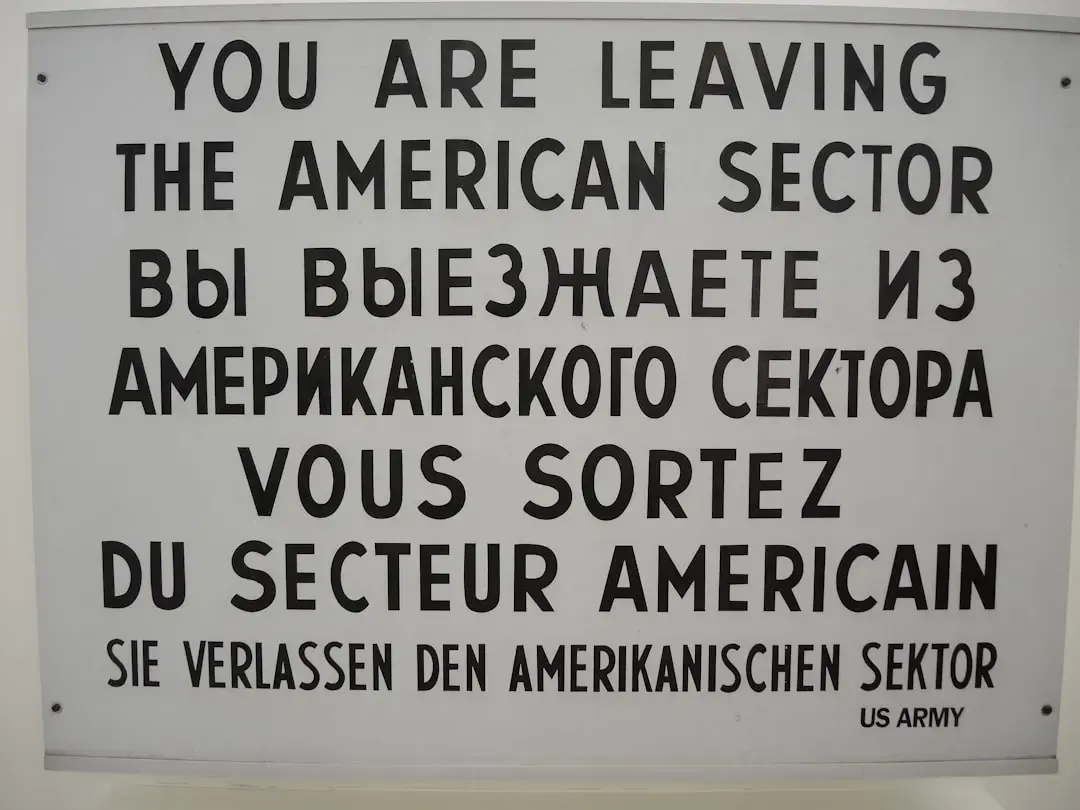
The United States plans to withdraw approximately 9,500 troops from Germany. This decision comes as disagreements escalate between President Trump and Chancellor Merkel. It also occurs with rising tensions surrounding the Iran nuclear deal. The move was announced recently by the Pentagon.
Latest news
 Saudi Arabia Declares Mecca Attack Attempt a Red Line as Houthis Deny Involvement
 Surrey Oil Drilling Project Sold After Supreme Court Rejection
 Union leaders urge bold action for Labour leader
 Wildfire Crisis Deepens as Federal Firefighter Shortage Plagues Summer Season
The troop reduction represents a significant shift in US military posture in Europe. Officials cite a need to reposition forces to better counter threats from Russia and China. Some troops will be relocated to other European countries, including Belgium and Poland. The Pentagon insists this isn’t a withdrawal from Europe, but a strategic realignment.
This decision strains already tense relations between Washington and Berlin. Germany has been a key ally for decades, hosting a large number of US troops. Chancellor Merkel expressed disappointment with the announcement, emphasizing the importance of transatlantic cooperation. She noted Germany values its partnership with the US, despite disagreements.
Will This Escalate Iran Conflict?
The troop withdrawal is also linked to ongoing disputes over defense spending. President Trump has long criticized European nations for not contributing enough to NATO. He argues the US bears an unfair share of the financial burden for collective defense. This has fueled resentment and calls for greater European strategic autonomy.
The timing of the troop reduction coincides with heightened tensions with Iran. The Trump administration unilaterally withdrew from the Iran nuclear deal in 2018. It has since imposed crippling sanctions on Iran and engaged in a maximum pressure campaign. Iran has responded by gradually scaling back its commitments under the deal.
Some analysts believe the troop reduction could embolden Iran. They argue a reduced US presence in Europe could signal weakness. This might encourage Iran to further escalate its nuclear program or support proxy groups in the Middle East. However, the Pentagon maintains the move will not affect its ability to deter Iranian aggression.
Frequently Asked Questions
The long-term consequences of this decision remain uncertain. It could lead to a further erosion of trust between the US and its European allies. It may also complicate efforts to address shared security challenges, including terrorism and nuclear proliferation. The future of transatlantic relations hinges on finding a way to bridge these growing divides.
What is the primary reason for the troop reduction? The Pentagon states the move is a strategic realignment to better counter threats from Russia and China. It also reflects a desire for European allies to take on a greater share of the defense burden.
How will this impact NATO? While the US maintains its commitment to NATO, the troop reduction could strain the alliance. It raises questions about the long-term US role in European security and the level of transatlantic cooperation.