
Iran’s Enrichment Ambitions and U. S. Red Lines
Vice President John D. Vance has stated that Iran must significantly reduce its nuclear enrichment activity to satisfy U. S. demands and end the ongoing conflict. The remarks were made during a press briefing in Washington, where Vance outlined the conditions for a potential agreement between the United States and Tehran.
Latest news
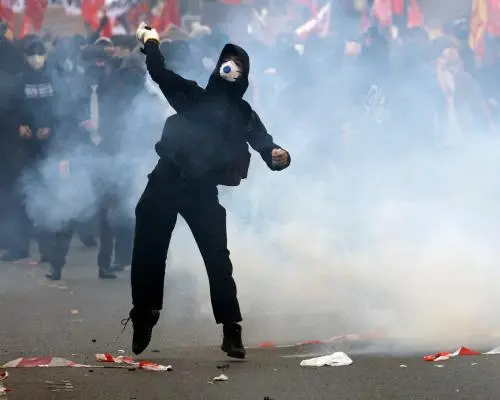 French Students Face Harsh Crackdown During Nationwide School Protests
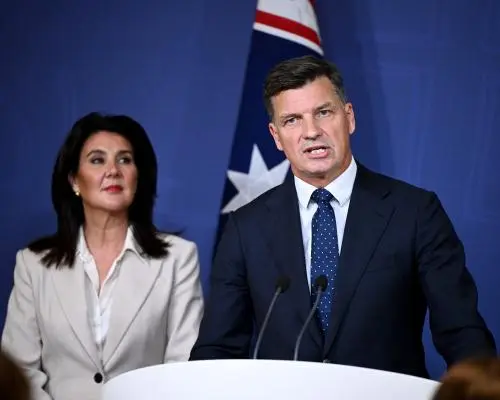 Coalition Admits Immigration Policy Lacks Full Independent Costing
 Tony Wilson and the Factory Records Legacy Return to Cinemas
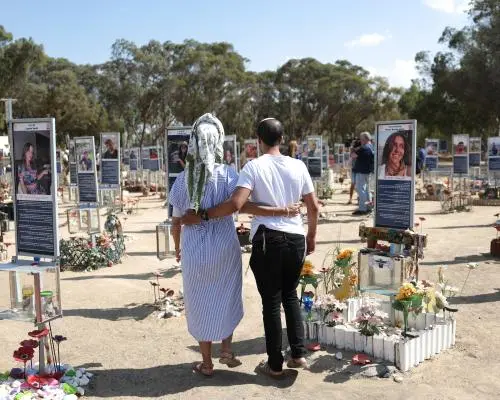 Israel Marks Three Years Since the October 7 Hamas Attacks
Vance’s comments come amid renewed diplomatic efforts to revive the 2015 nuclear deal, which had limited Iran’s enrichment levels to 3.67 % U-235. The U. S. insists that any new accord must curb Iran’s ability to produce weapons‑grade material. Vance emphasized that a reduction to 60 % enrichment is unacceptable if Iran seeks to demonstrate its commitment to non‑proliferation.
What Does „Meaningful” Reduction Mean for Iran?
Iran has maintained a stockpile of highly enriched uranium (HEU) and operates several enrichment facilities, including Natanz and Fordow. The U. S. argues that a meaningful cut requires lowering enrichment to no more than 3 % U‑235, effectively preventing the production of weapons‑grade material. Vance noted that Iran’s current capabilities far exceed the limits set by the original agreement. He added that the U. S. would consider a new deal only if Iran can show a tangible reduction in its enrichment infrastructure.
The Vice President also highlighted the strategic importance of reducing enrichment capacity to deter regional escalation. He warned that without a concrete commitment, the risk of a nuclear arms race in the Middle East remains high. Vance’s stance signals a firm U. S. position that any compromise must include verifiable limits on Iran’s nuclear program.
How Will Verification and Compliance Be Ensured?
The term „meaningful” has sparked debate among analysts. Some suggest it implies a reduction to 50 % of current enrichment facilities, while others argue it requires a complete halt of all HEU production. Vance’s remarks suggest the U. S. will accept a reduction to 3 % enrichment, aligning with the 2015 framework. Iran, however, has repeatedly stated it will not abandon its enrichment program entirely, citing national security concerns. The tension between these positions could determine whether a new agreement is feasible.
The Vice President also mentioned that Iran’s current enrichment capacity is about 60 % of the total global supply. This figure underscores the potential impact of a cut, as it would substantially diminish Iran’s ability to produce fissile material. Vance’s insistence on a sharp reduction reflects the U. S. desire to eliminate the possibility of Iran developing a nuclear weapon.
What Are the Consequences if Iran Refuses to Cut Enrichment?
Vance outlined that any new deal would require robust verification mechanisms overseen by the International Atomic Energy Agency (IAEA). The U. S. would insist on regular inspections, real‑time data monitoring, and the installation of tamper‑evident seals on enrichment equipment. These measures aim to guarantee that Iran adheres to the agreed limits and does not resume high‑level enrichment covertly.
The Vice President also mentioned that the U. S. would seek assurances that Iran would not develop alternative nuclear pathways, such as plutonium production or advanced centrifuge designs. Compliance would be monitored through a combination of satellite imagery, on‑site inspections, and data exchanges with the IAEA. This comprehensive approach seeks to prevent any back‑door nuclear development.
Frequently Asked Questions
If Iran declines to reduce its enrichment capacity, the U. S. could re‑implement sanctions or pursue other diplomatic channels to pressure Tehran. The continued presence of high‑enrichment facilities could also provoke regional security concerns, prompting neighboring countries to seek their own deterrence measures. The Vice President warned that unresolved tensions might lead to a broader conflict, potentially involving external actors.
Conversely, a successful reduction could pave the way for a broader diplomatic settlement, including the lifting of sanctions and the restoration of international trade. It would also signal a renewed commitment to non‑proliferation, potentially stabilizing the region. The outcome hinges on Iran’s willingness to comply with U. S. demands and the ability of both sides to negotiate a mutually acceptable framework.