Art as a Mirror to Conflict
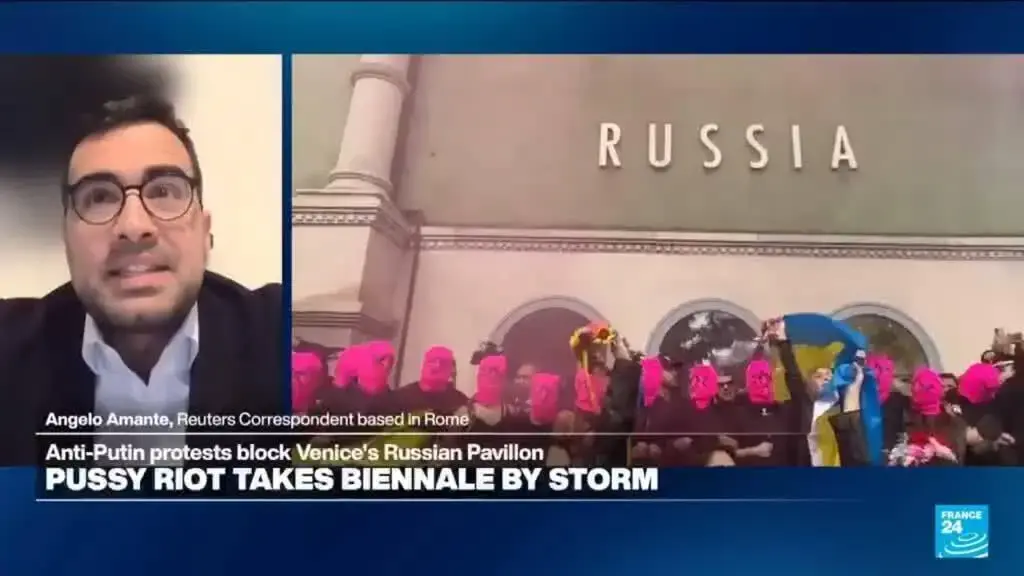
The Venice Biennale opened amid heightened international tensions. This prestigious art exhibition now visibly reflects current global conflicts. Mark Owen is following reports from Reuters correspondent Angelo Amante in Rome. Russia’s presence, or lack thereof, is a key focus.
Latest news
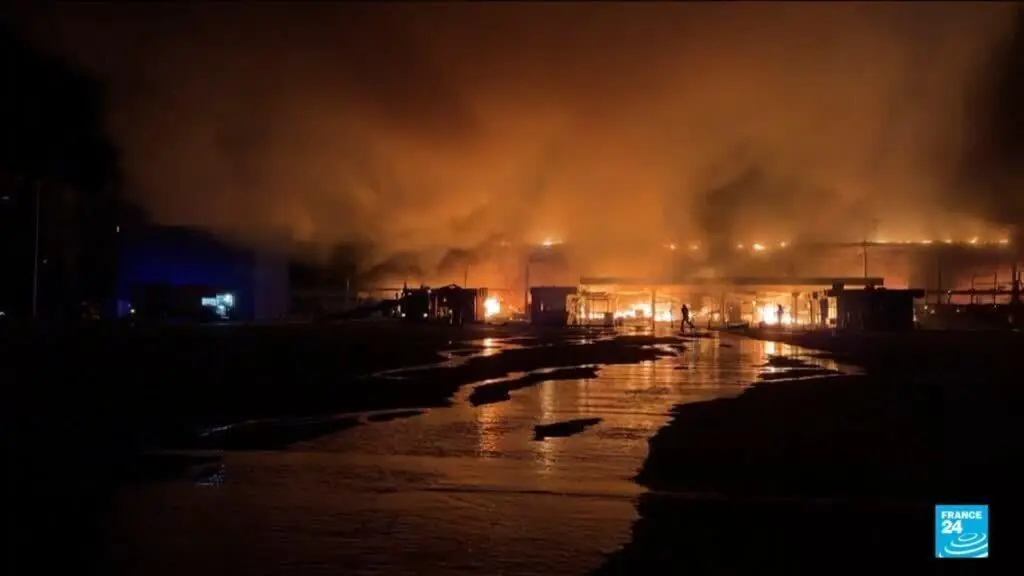 Ukraine Strikes Persist While Russian Polling Stations Open for Election
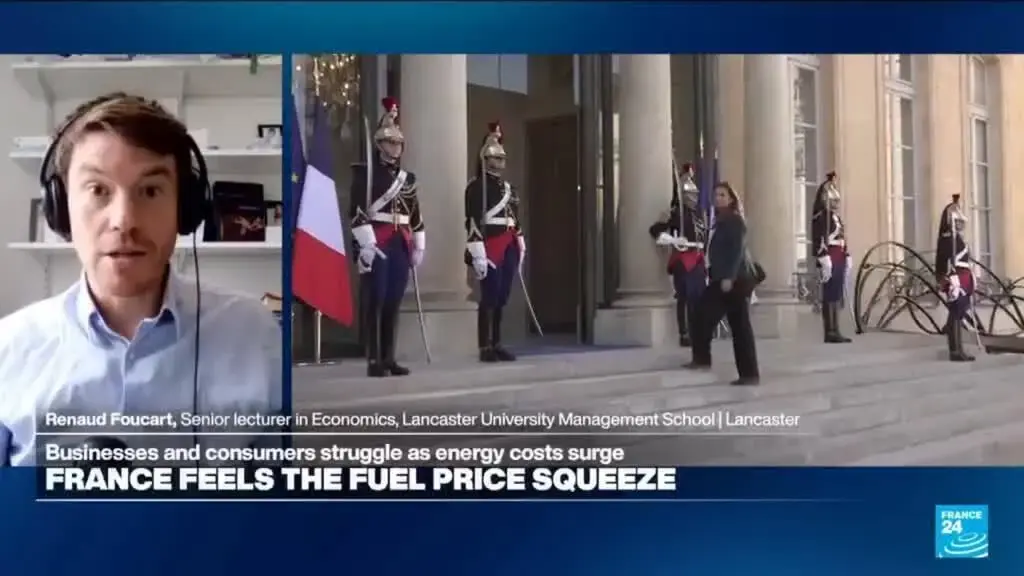 Macron Calls French Party Leaders Together as Energy Costs Surge Amid Iran and Ukraine Conflicts
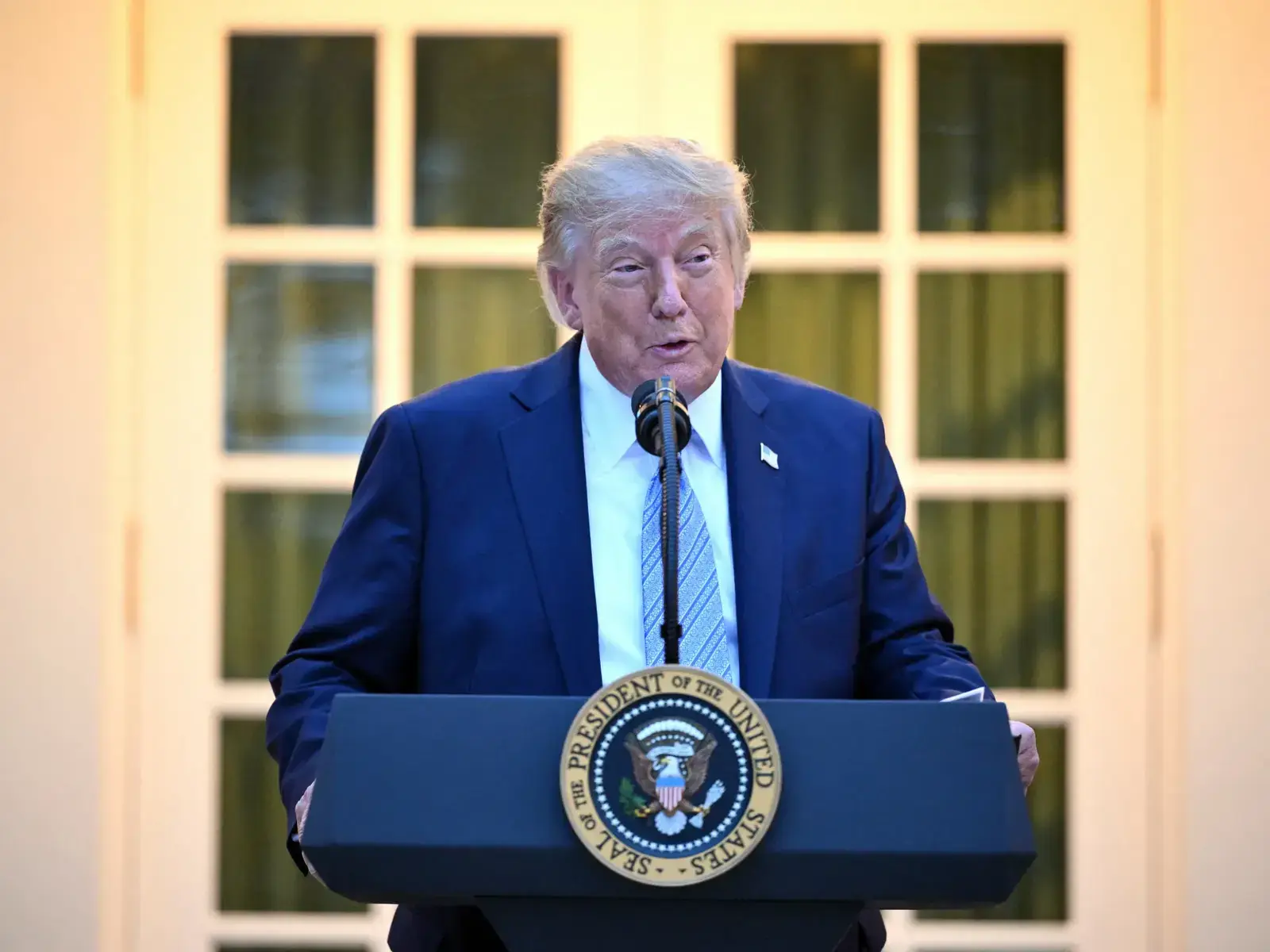 US Voters Oppose War on Iran, 71% Say Trump Administration Lacks Strategy
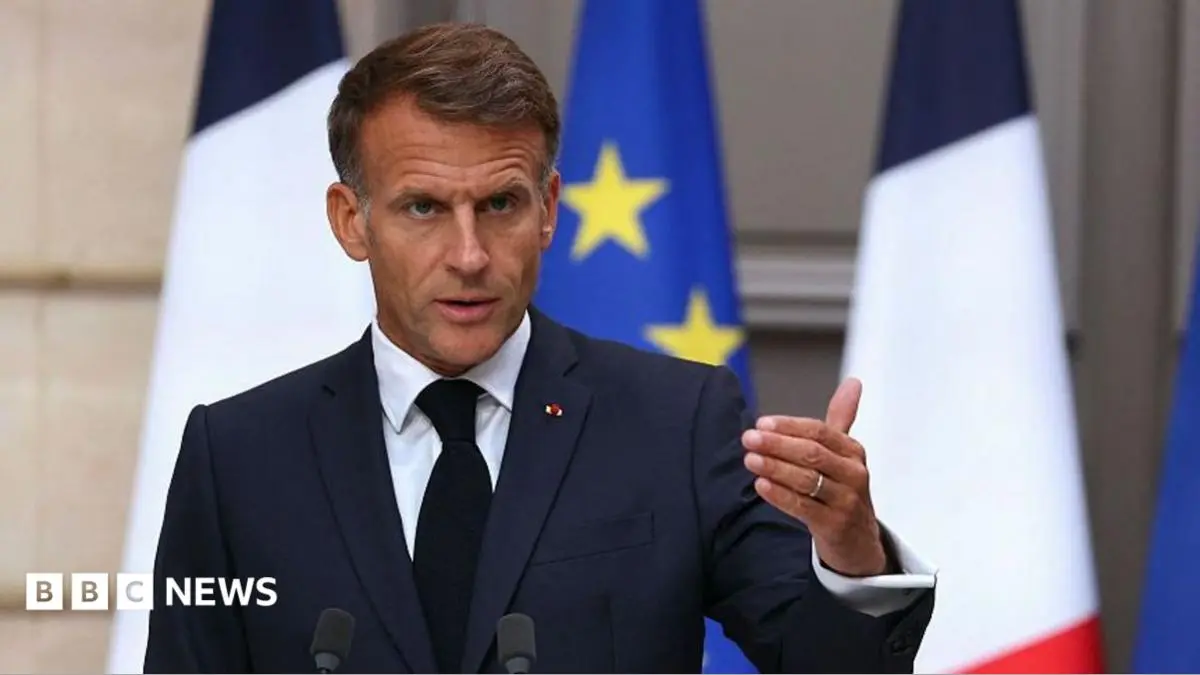 French President Warns of Rising Russian Hybrid Threats to Europe
The 60th International Art Exhibition of La Biennale di Venezia is underway. It’s a showcase for contemporary art from around the world. However, this year’s event feels different. The usual celebratory atmosphere is tempered by global events. The war in Ukraine and other international crises are influencing the artwork and discussions. Artists are responding to a world in turmoil.
Many artists are directly addressing the conflicts shaping our times. Works explore themes of displacement, loss, and the search for peace. The exhibition isn’t simply aesthetic; it’s a platform for commentary. Some national pavilions have adapted their displays to reflect the current climate. This is a clear departure from purely artistic expression. It demonstrates a desire to engage with pressing global issues.
Can Art Truly Bridge Divides?
The Russian Pavilion presents a particularly complex situation. It remains largely empty this year. This is a direct result of the ongoing war in Ukraine. The artists initially selected withdrew their participation. Organizers opted not to replace them, making a powerful statement. This absence speaks volumes about the Biennale’s stance on the conflict. It highlights the difficult position of artists from nations involved in geopolitical disputes.
The Biennale aims to foster dialogue and understanding. But can art genuinely overcome deep-seated political divisions? Some critics argue that art can only offer a limited response to complex geopolitical issues. Others believe it’s a vital tool for raising awareness and promoting empathy. The exhibition provides a space for different perspectives to be heard. This is crucial in a world increasingly characterized by polarization.
Frequently Asked Questions
The impact of these events extends beyond the art world. It raises questions about the role of culture in times of crisis. Should art be politically neutral? Or does it have a responsibility to address social and political issues? The Biennale’s response suggests a willingness to engage with difficult questions. It acknowledges the interconnectedness of art, politics, and global events. The future will show if this approach resonates with audiences.
What is the significance of the empty Russian Pavilion? The empty pavilion is a symbolic protest against Russia’s actions in Ukraine. Organizers chose not to display any artwork representing the country. This demonstrates solidarity with Ukraine and condemnation of the conflict.
How is the Biennale different this year compared to previous years? This year’s Biennale is noticeably more politically charged. Artists are directly addressing global conflicts and crises. The exhibition feels less celebratory and more reflective of the current world climate.