
How Communities Are Mobilizing Resistance
Farmers and tribal communities in central India staged symbolic water funerals on September 22, 2026, to oppose a controversial river-linking project. The demonstrations took place in villages across Madhya Pradesh and Chhattisgarh, where residents fear the initiative will displace communities and destroy local ecosystems. Participants immersed effigies and performed rites in rivers to symbolize the death of their livelihoods if the plan proceeds.
Latest news
 President Trump Declares Force the Path to Peace at UN Assembly
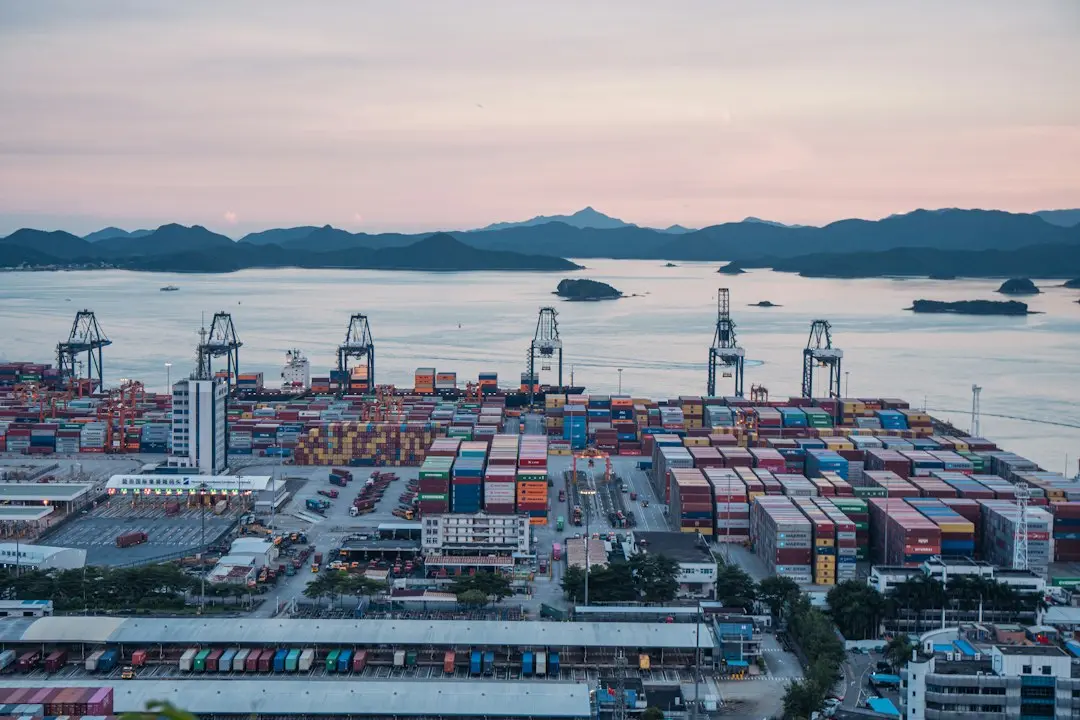 China’s Clean Energy Exports Surge Amid Iran Conflict, Boosting Xi’s Leverage in U.S. Talks
 Carney Commits $100 Million to Palestinian Aid at
 Family Claims Neglect Led to Death of Costa Rican Detainee in ICE Custody
The river-linking project aims to connect India’s major waterways to transfer surplus water from flood-prone regions to drought-affected areas. Government officials argue it will improve irrigation and drinking water access for millions. However, villagers contend the plan ignores ecological consequences and threatens their ancestral lands, forests, and traditional farming practices. Many say they were not consulted before the project was approved.
What Alternatives Do Villagers Propose?
Local leaders organized the water funerals as a peaceful yet powerful cultural protest, drawing on traditions that honor rivers as life-giving forces. Women carried pots of river water while elders chanted prayers for protection. Activists reported that over 50 villages participated, with some blocking survey teams from entering their territories. Police monitored the gatherings but did not intervene, according to eyewitnesses. Organizers emphasized that the protests are not against development but demand inclusive planning that respects environmental and social impacts.
Residents suggest smaller-scale solutions like restoring traditional water tanks, improving rainwater harvesting, and upgrading existing canals instead of massive inter-basin transfers. They cite successful community-led water management in nearby districts as proof that decentralized approaches can work. Agricultural experts supporting the villagers warn that diverting rivers could alter fish migration, reduce sediment flow to farmlands, and increase salinity in delta regions. The government has not yet responded to these specific proposals but maintains that feasibility studies show long-term benefits for water security.
Why are villagers using water funerals as a protest method? Water funerals draw on cultural symbolism where rivers are seen as sacred and life-sustaining. By performing rites in water, communities express that the project would kill their way of life, treating the river as a mourner would a deceased relative.
Frequently Asked Questions
What is the government’s stance on the river-linking project? Officials state the project is essential for national water security, aiming to mitigate floods and droughts through interconnected canals. They claim environmental safeguards are in place and that affected communities will receive compensation and rehabilitation.
Are there legal challenges to the project? Several petitions challenging the project’s environmental clearances are pending in India’s National Green Tribunal. Courts have previously halted similar projects over inadequate impact assessments, though no stay has been issued for this specific initiative yet.