A Symbolic Breakaway to Signal Discontent
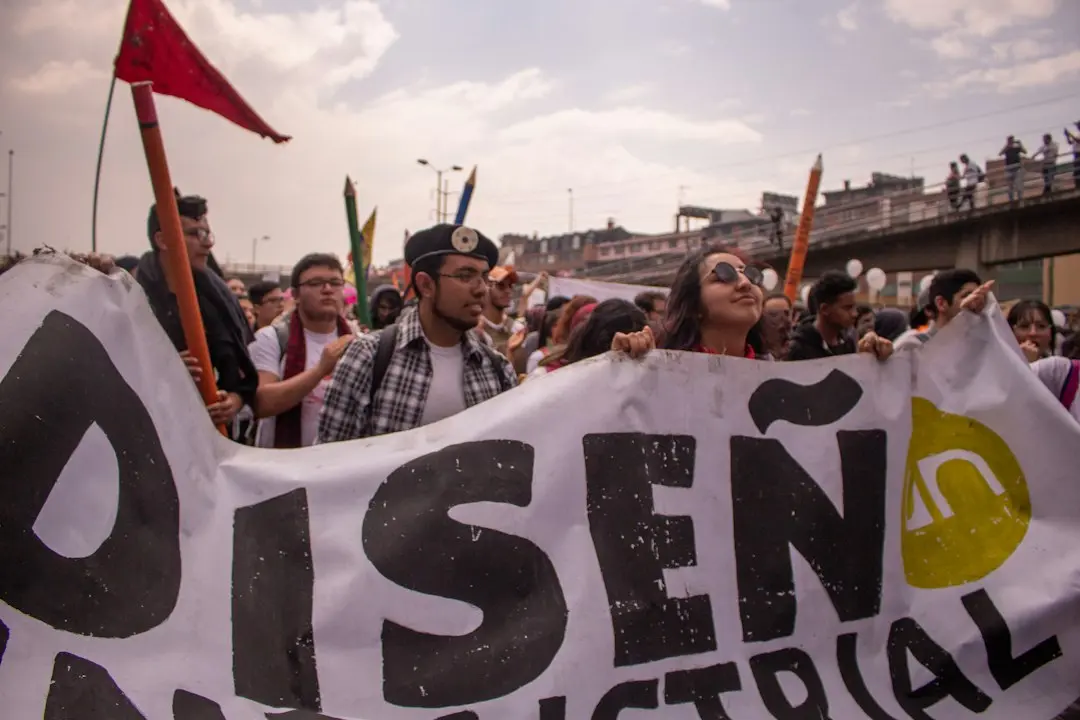
Residents of Piddington, a small and remote village located in Oxfordshire, England, held a symbolic referendum on September 16, 2026. The local community voted to separate from the United Kingdom. This dramatic move serves as a protest against government plans. Officials intend to build a new asylum reception center nearby. The facility would be constructed on a disused military base adjacent to the village.
Latest news
 IMF Cuts Australia Growth Forecast Amid Rate Hike Warnings
 Nicaraguan Exile Journalist Luis Galeano Detained by U.S. ICE in Florida
 Congress Passes Bill Granting Trump Expanded Sanctions Authority
 AI pioneer Yoshua Bengio warns of imminent crisis
The vote was not legally binding but carried significant political weight. Villagers expressed deep frustration over the sudden announcement of the project. Many residents felt excluded from early decision-making processes. The proposed center aims to house asylum seekers while their claims are processed. Local leaders argue that the infrastructure strain will be disproportionate for such a small population.
The term secessionwas used deliberately to grab national attention. It highlights the growing tension between rural communities and central government policies. Piddington’s vote mirrors similar grassroots movements across the country. These groups often feel overlooked when large-scale social projects land in quiet areas. The disused military base provides the physical space for the new facility. However, locals worry about increased traffic, noise, and changes to the village character.
Will Rural Protests Change National Policy?
Supporters of the plan view it as a necessary step to manage the asylum backlog. They argue that repurposing existing military land is efficient and logical. Critics counter that the location lacks sufficient housing and services for a large influx of people. The referendum result underscores a broader narrative of local resistance. It suggests that top-down planning can trigger strong emotional responses from affected communities.
The outcome of this symbolic vote may influence future consultations. Politicians are watching closely to gauge public sentiment in rural areas. If similar protests spread, the government might adjust its rollout strategy. They could offer more financial support or better communication channels to villages. The asylum system remains under pressure to find suitable accommodation quickly. Balancing speed with community acceptance is becoming a critical challenge.
Piddington’s action is unlikely to change the legal status of the village immediately. Yet, it forces a dialogue that might otherwise have been ignored. The next steps involve formal consultations and potential legal challenges. Local councils are preparing to address specific concerns raised by voters. The situation remains fluid as both sides prepare for further engagement.
Frequently Asked Questions
Is the Piddington secession vote legally binding? No, the vote is purely symbolic. It does not automatically remove the village from the United Kingdom. It serves as a powerful statement of protest rather than a legal mechanism.
Where exactly will the asylum center be built? The facility will be located on a disused military base near Piddington. This site was chosen to utilize existing infrastructure and land availability in the region.
Why did villagers choose to vote for separation? They voted to leave the UK to highlight their opposition to the new center. The dramatic framing aims to draw national media attention to their specific grievances.