Shifting Legal Landscape of Voting Access
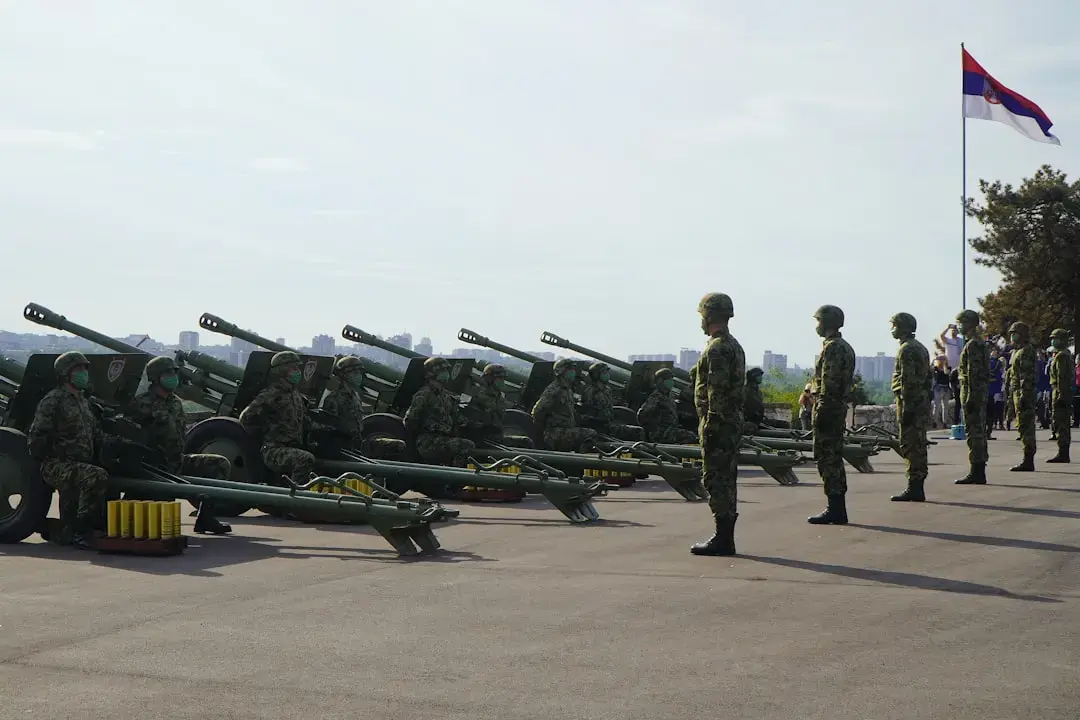
The Pentagon now estimates the conflict with Iran has reached a $25 billion price tag. Simultaneously, the Supreme Court issued a significant ruling concerning voting rights legislation. These events unfolded this week, impacting both national security budgets and civil rights.
Latest news
 Houthi Rebels Issue New Threats Against Saudi Military Infrastructure
 Houthi Rebels Seize Strategic Hanish Islands in Red Sea
 Global Markets Stumble as AI Leaders Call for Development Slowdown
 AI Takes Control of Clinical Eye Screenings in China
The escalating tensions with Iran have driven up military spending. This includes costs for troop deployments, equipment, and ongoing operations in the region. Officials state the $25 billion figure represents expenditures through the current fiscal year. It doesn’t include potential future costs if the conflict continues or expands. The financial strain is raising questions about resource allocation within the defense budget.
The Supreme Court’s decision strikes down a key provision of voting rights law. The ruling challenges the established framework for ensuring fair elections. It allows states greater flexibility in drawing electoral districts. Critics fear this could lead to gerrymandering and voter suppression, particularly impacting minority communities. The decision reverses decades of legal precedent.
Will Costs Escalate Further?
Legal experts predict a wave of new voting rights challenges. Several states are already considering changes to their district maps. This could significantly alter the balance of power in Congress. The ruling is expected to fuel debate over federal voting rights legislation. Advocates are urging Congress to act to protect access to the ballot box.
The future of the conflict with Iran remains uncertain. Diplomatic efforts to de-escalate tensions have stalled. Military analysts warn of the potential for further clashes. A prolonged conflict could easily push the total cost far beyond the current $25 billion estimate. This would necessitate difficult choices regarding other national priorities.
Frequently Asked Questions
The Supreme Court’s decision also carries long-term implications. It could reshape the political landscape for years to come. The combination of these events presents significant challenges for policymakers. They must navigate complex issues related to both national security and democratic principles.
What specific costs are included in the $25 billion figure? The estimate covers expenses like troop deployments, military equipment, and operational costs related to the conflict with Iran. It reflects spending through the current fiscal year, but doesn’t account for potential future increases.
How does the Supreme Court ruling affect minority voters? The ruling weakens protections against discriminatory voting practices. Experts fear it could enable gerrymandering, making it harder for minority communities to elect their preferred representatives. This could lead to reduced political representation.