
Trade Benefits and Economic Risks
Vancouver residents gathered on September 18, 2026 to voice opinions after Prime Minister Mark Carney announced a plan to deepen Canada’s relationship with the European Union by seeking „associate member” status. The proposal, unveiled during a press conference in downtown Vancouver, sparked a lively debate among business leaders, students, and community groups about trade, sovereignty and future cooperation.
Latest news
 Ukraine Strikes Persist While Russian Polling Stations Open for Election
 Macron Calls French Party Leaders Together as Energy Costs Surge Amid Iran and Ukraine Conflicts
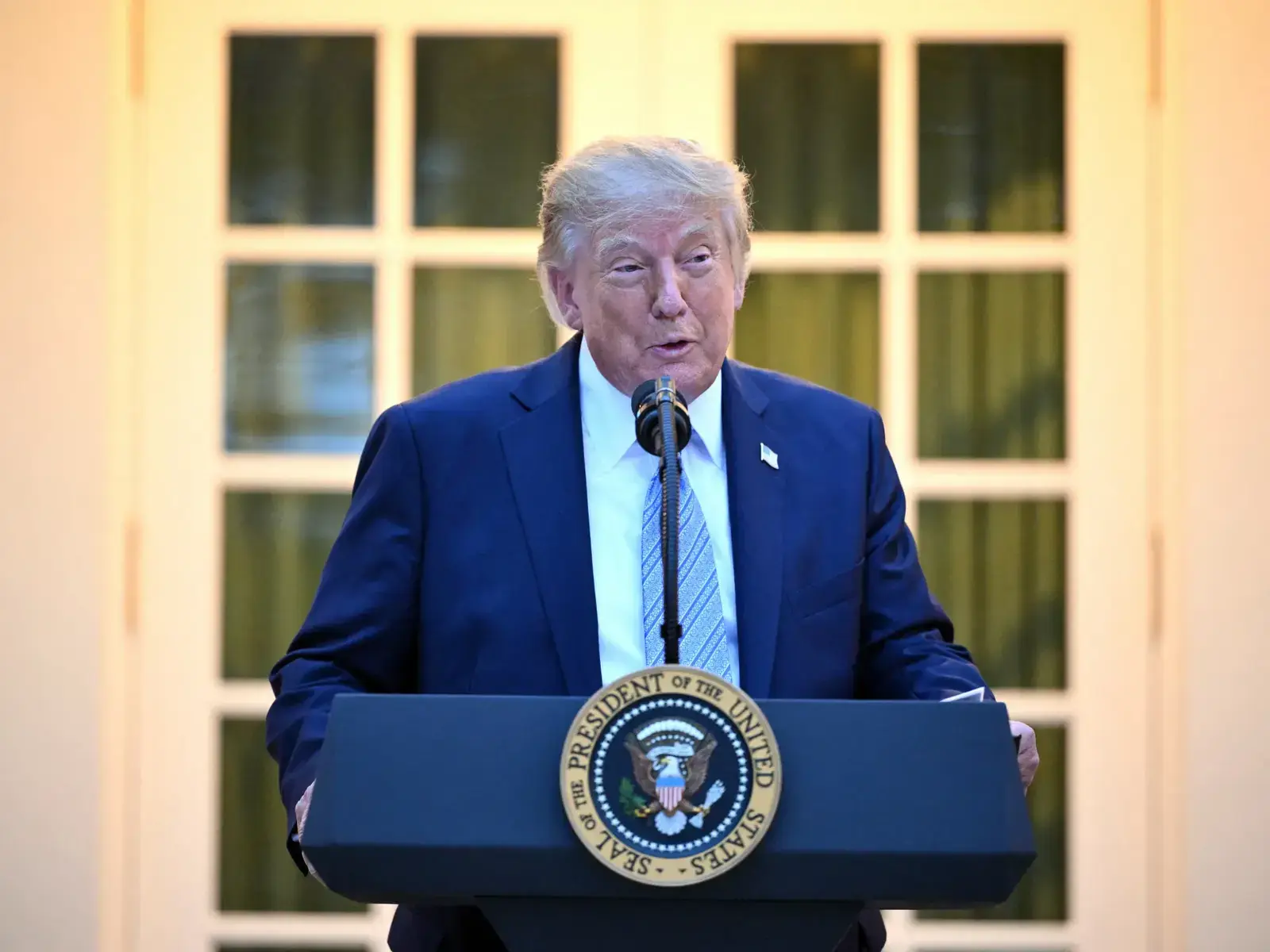 US Voters Oppose War on Iran, 71% Say Trump Administration Lacks Strategy
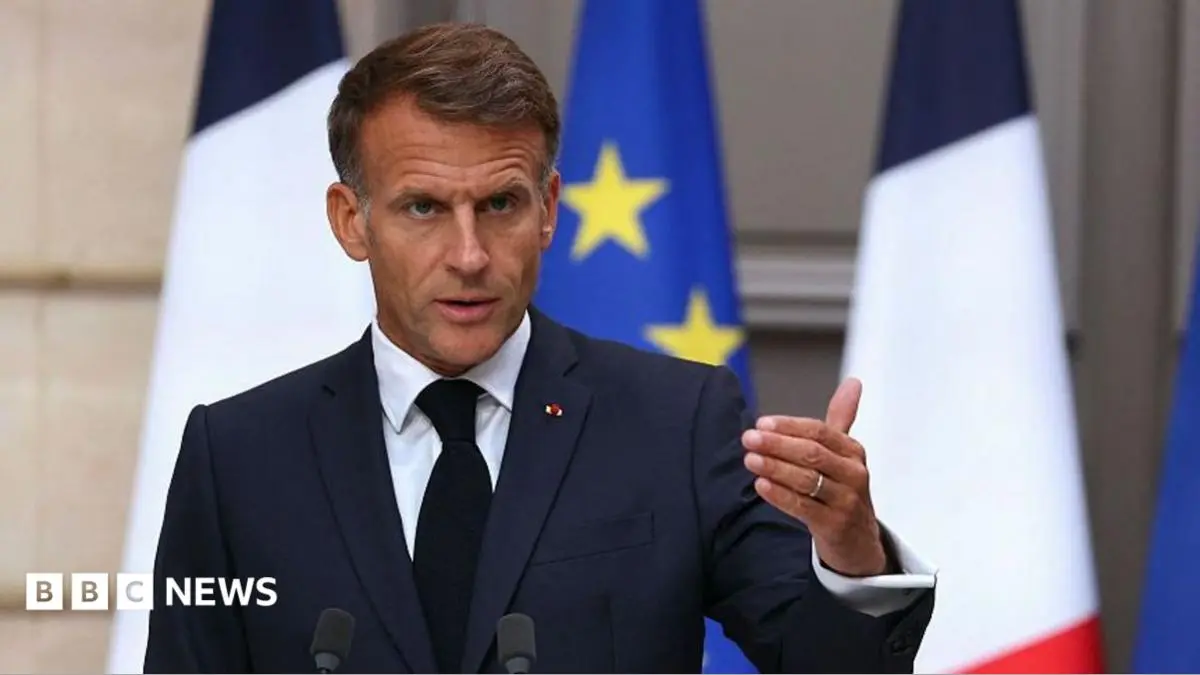 French President Warns of Rising Russian Hybrid Threats to Europe
Carney’s suggestion builds on existing Canada‑EU agreements, aiming to grant Canada a closer voice in EU policy discussions and smoother market access for Canadian exporters. Supporters argue the move could boost the economy, especially in sectors like technology and clean energy, while critics fear it may erode national autonomy and complicate existing trade deals with the United States. The prime minister highlighted the need for stronger ties in a shifting global landscape, citing climate goals and supply‑chain resilience as key motivations.
Proponents in the audience emphasized potential gains for Vancouver’s port and tech industries. „An associate status could cut red tape for our exporters and attract EU investment,” said Maya Patel, a senior analyst at a local consultancy. Data from the Department of International Trade shows that EU‑Canada trade reached C$78 billion last year, and Carney believes a formal associate link could raise that figure by 10‑15 percent within five years.
Will Canada’s Sovereignty Be Compromised?
Opponents, however, warned of hidden costs. A group of small‑business owners voiced concerns that aligning with EU regulations might increase compliance expenses. „We already juggle Canadian and US standards; adding EU rules could be a burden,” noted Carlos Mendes, owner of a Vancouver‑based apparel brand. Political commentator Laura Chen added that the proposal could strain Canada’s relationship with its largest trading partner, the United States, especially if perceived as a pivot toward Europe.
The question of sovereignty dominated the discussion. Critics asked whether an associate membership would grant the EU any decision‑making power over Canadian laws. Carney reassured the crowd, stating that the arrangement would be „consultative, not legislative,” and that Canada would retain full control over domestic policy. Legal experts clarified that associate status typically offers limited influence, mainly in advisory committees and joint research initiatives.
Nevertheless, some attendees remained skeptical. „Even advisory input can shape regulations that affect our businesses,” argued university professor Daniel Liu. The debate highlighted a broader tension between global integration and national independence that many Canadians are grappling with.
The proposal’s future hinges on negotiations with EU officials and approval from Canada’s Parliament. If accepted, it could set a precedent for other non‑EU nations seeking deeper ties without full membership. Observers predict a gradual rollout, starting with joint climate projects and technology exchanges, before any formal associate status is granted.
Frequently Asked Questions
What does „associate member” mean for Canada? It would give Canada a formal channel to participate in EU discussions, access certain programs, and enjoy smoother trade, but without voting rights on EU legislation.
How might this affect Canada‑US trade relations? While the EU link aims to diversify markets, it could raise concerns in the US about Canada’s strategic alignment, potentially prompting renegotiations of existing agreements.
When could the associate status become official? Negotiations are expected to take 12‑18 months, after which Parliament would need to ratify any agreement before it takes effect.