Alleged Collusion Undermines AI Innovation
A federal antitrust suit filed in a U. S. district court alleges that Anthropic, OpenAI, SpaceXAI and Google conspired to slow AI development through an unlawful agreement that limited competition and harmed consumers. The complaint, unsealed on Tuesday, claims the pact violated the Sherman Act and seeks damages for alleged market distortion.
Latest news
 Australia Seeks Tech Giant Help to Bolster Online Safety and AI Rules
 Iran Sets Seven Conditions for US Talks as Saudi Forces Thwart Riyadh Attack
 Former Syrian General Arrested Over Civil War Operations
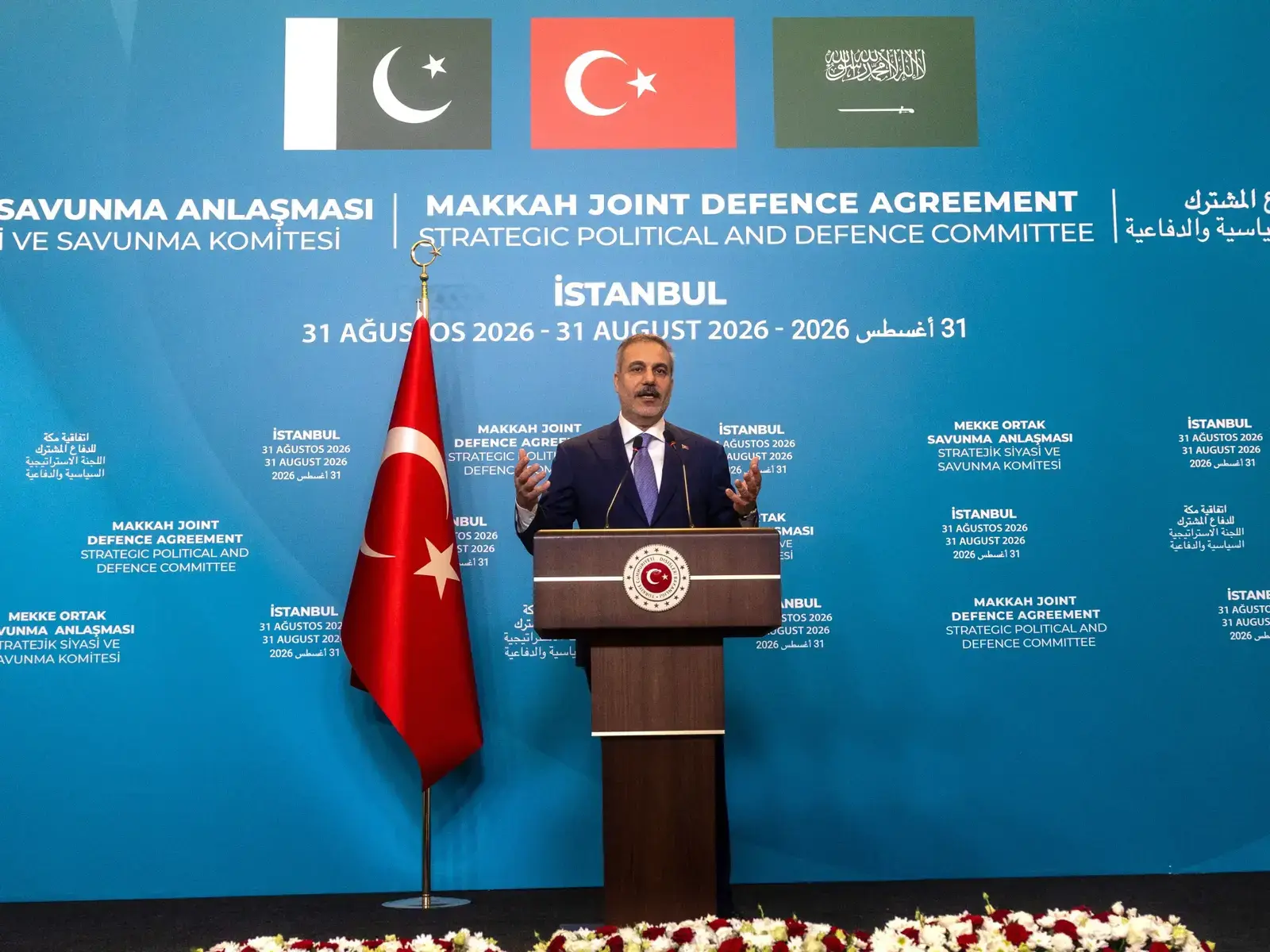 Turkiye pledges military support to Riyadh as Houthi threats rise
The complaint, unsealed on Tuesday, alleges that the four firms conspired to limit AI progress by agreeing not to compete aggressively on model speed and capability. Regulators say the pact violates the Sherman Antitrust Act, which bars agreements that restrict trade. The filing claims the arrangement caused slower product rollouts, higher prices for developers, and reduced innovation across the sector. Legal analysts note that proving such a collusion is difficult without direct evidence of communication between the companies.
The lawsuit was filed in a U. S. district court in Washington, D. C., targeting the tech giants for alleged market manipulation. Plaintiffs argue the agreement effectively froze AI development, preventing smaller firms from gaining a competitive edge. The complaint seeks monetary damages and an injunction to halt any further anti‑competitive coordination.
Can the Antitrust Lawsuit Survive Scrutiny?
Experts say the case hinges on whether the alleged agreement was merely a strategic alliance or a true restraint of trade. Antitrust law typically requires proof of a conscious commitment to limit competition, a high bar for plaintiffs. If the court finds the pact illegal, the companies could face substantial fines and be forced to alter their research practices.
A ruling against the firms would signal stricter oversight of AI development collaborations. Conversely, a dismissal could embolden the companies to pursue aggressive AI roadmaps without fear of legal repercussions.
Frequently Asked Questions
What specific antitrust law is cited in the complaint? The complaint cites the Sherman Antitrust Act. That law bars agreements that unreasonably restrain trade.
How might the case affect smaller AI startups? If the court rules the agreement illegal, smaller firms could benefit from a more open market. Reduced barriers may allow them to compete more effectively.
When will the court issue a decision? The timeline is unclear, but a decision could take several months to over a year, depending on motions and trial scheduling.