Building Resilience Through Collaboration
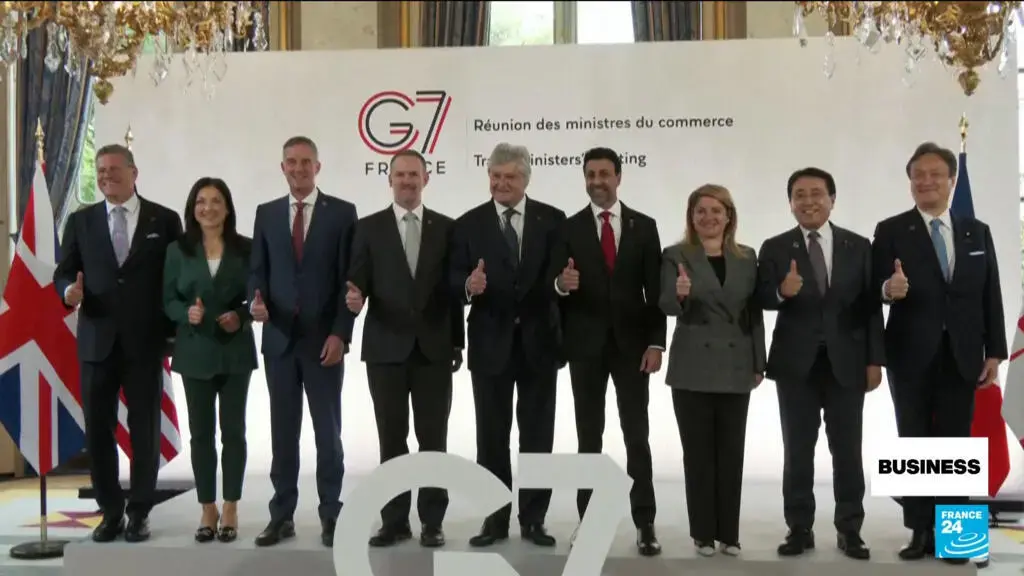
Trade ministers from the G7 nations met recently, aiming to establish a unified approach to securing supplies of essential minerals. Discussions took place as global demand surges. These minerals are vital for clean energy technologies and modern manufacturing. The meeting focused on building resilient and diverse supply chains.
Latest news
 Space Security Landscape Deteriorates Rapidly Amid New US Deployments
 Wife of US Scholar Detained in China Urges Trump to Address Case During Summit
 Palestinian Man Dies in Israeli Custody After Year of Administrative Detention
 Sweden's Centre-Left Coalition Wins Election as Right-Wing Bloc Narrowly Defeated
The ministers explored ways to reduce dependence on single suppliers. They acknowledged the strategic importance of minerals like lithium, cobalt, and nickel. These materials are crucial for electric vehicle batteries, wind turbines, and other green technologies. Concerns about geopolitical risks and potential disruptions fueled the discussions. They seek to avoid repeating supply chain issues seen during the pandemic.
The G7 countries—Canada, France, Germany, Italy, Japan, the United Kingdom, and the United States—recognize the growing competition for these resources. China currently dominates the processing and refining of many critical minerals. This creates vulnerabilities for Western nations. The ministers discussed potential joint projects and investments. These could boost domestic production and diversify sourcing.
Can the G7 Truly Break China’s Grip?
One key area of focus was supporting responsible mining practices. Environmental and social concerns are paramount. They want to ensure sustainable and ethical sourcing of these minerals. The group also explored opportunities for international partnerships. Working with resource-rich countries is vital to building stable supply chains. This collaboration aims to foster a more secure and reliable flow of materials.
Achieving a truly diversified supply chain will be a significant challenge. Building new mining capacity and processing facilities takes time and substantial investment. The G7 nations must also address regulatory hurdles and permitting delays. Furthermore, competition from China will remain intense. China has already invested heavily in securing access to mineral resources worldwide.
The ministers emphasized the importance of transparency and market-based approaches. They aim to avoid protectionist measures that could disrupt global trade. Instead, they are exploring ways to incentivize investment in responsible mining and processing. This includes promoting research and development of new extraction technologies. Ultimately, the goal is to create a more competitive and resilient market for critical minerals.
Failure to address these supply chain vulnerabilities could hinder the transition to clean energy. It could also impact the competitiveness of G7 industries. The ministers agreed to continue working together. They will report on progress at future meetings. A coordinated strategy is essential to ensure access to the minerals needed for a sustainable future.
Frequently Asked Questions
What minerals are considered „critical”? Critical minerals are those with a high economic importance and a vulnerable supply chain. Examples include lithium, cobalt, nickel, graphite, and rare earth elements. These materials are essential for many modern technologies.
Why is China currently dominant in mineral processing? China invested heavily in refining and processing capacity over the past two decades. This gave them a significant advantage in the supply chain. They also control a large share of global mineral reserves.
What are the biggest obstacles to diversifying mineral supplies? Building new mines and processing facilities is expensive and time-consuming. Environmental regulations, permitting delays, and geopolitical risks also pose significant challenges. Competition from established players like China adds to the complexity.