
The Convergence of Macroeconomic Pressures
Financial markets are bracing for a potential surge in borrowing costs as experts warn that 10-year Treasury yields could climb toward 6%. Strategist Mark Cranfield highlights a convergence of aggressive Federal Reserve monetary policies, volatile energy markets, and intensifying geopolitical instability. Investors are now closely monitoring these indicators for signs of further upward pressure.
Latest news
 G20 Trade Ministers Gather in Wisconsin Amid Tariff Tension
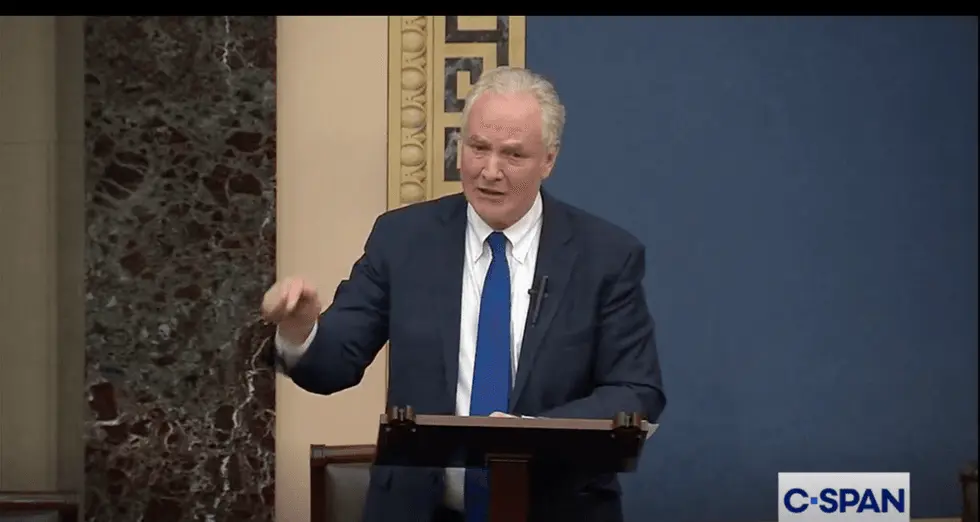 Senate Democrats Unite to Push for West Bank Violence Report
 Sandino's Rebellion Against U.S. Occupation Begins in Nicaragua
 Diesel Surpasses Gasoline as Europe's Most Expensive Fuel
The current economic environment remains fragile due to persistent inflationary risks. Elevated oil prices continue to complicate the Federal Reserve's efforts to stabilize the economy. When energy costs rise, they often force central banks to maintain higher interest rates for longer periods to curb broader price increases.
Global instability is playing a significant role in shifting investor sentiment. Geopolitical tensions often drive capital toward safe-haven assets, yet the current climate is uniquely challenging for government bonds. As the cost of debt rises, the government faces increased pressure to manage its fiscal obligations amidst a backdrop of global uncertainty.
Will Bond Markets Break Under the Strain?
Market analysts observe that the bond market is reacting to a shift in expectations regarding long-term interest rates. If the Federal Reserve maintains a hawkish stance to combat inflation, the yield on long-term government debt will likely continue its upward trajectory. This trend reflects a broader market adjustment to a new era of higher capital costs.
The prospect of 6% yields would represent a significant departure from the low-interest environment seen in recent years. Such a shift would fundamentally alter the valuation of equities and real estate, as borrowing becomes substantially more expensive for both corporations and consumers. Investors are preparing for a period of heightened volatility as these yields test new historical levels.
Frequently Asked Questions
The outlook remains uncertain as market participants weigh the risks of a prolonged economic slowdown against the necessity of curbing inflation. Should yields reach these projected highs, the financial landscape will undergo a substantial transformation. Maintaining liquidity and managing interest rate risk will become the primary focus for institutional portfolios in the coming months.
What factors are driving Treasury yields higher? Rising oil prices, geopolitical instability, and the Federal Reserve's commitment to restrictive monetary policy are the primary drivers. These elements combine to create upward pressure on long-term borrowing costs.
What would a 6% yield mean for the average investor? A 6% yield would significantly increase borrowing costs for mortgages and corporate loans. It would likely lead to lower valuations for stocks and other interest-sensitive assets across the global market.