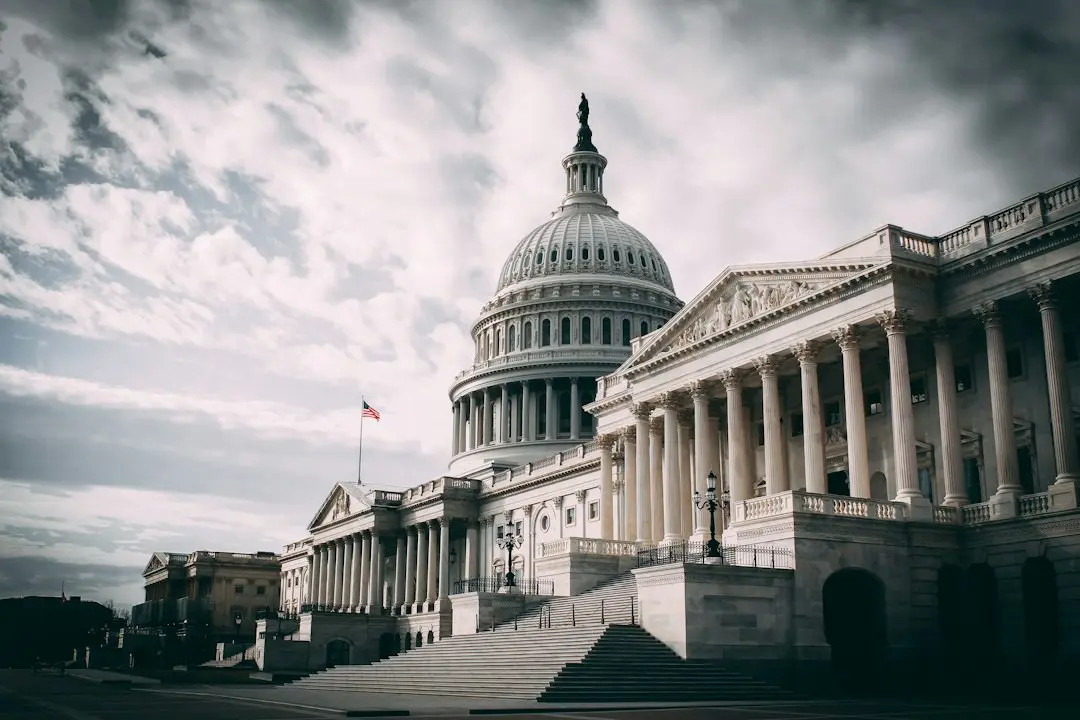
Personal Diplomacy Drives New Strategic Framework
Chinese President Xi Jinping concluded a state visit to Washington, D. C., on Monday, September 28, 2026. The trip focused on personal diplomacy between world leaders. Officials announced modest agreements regarding trade, artificial intelligence, and the Iran conflict. These deals aim to stabilize tense geopolitical relations. The visit marked a significant moment in recent diplomatic history.
Latest news
 Why Diesel Prices Are Rising and What It Means for Europe
 Impact of Fossil‑Fuel Lobbying on U.S. Academic Freedom
 Serbian President Aleksandar Vucic Resigns as Prime Minister
 Macron Calls for Renewed European Courage Amid Pope’s Metz Visit
The primary outcome was a shift toward direct communication. Instead of broad structural changes, the leaders prioritized face-to-face engagement. This approach seeks to manage ongoing disputes without escalating tensions. The agreements address specific pain points in the bilateral relationship. They provide a framework for continued dialogue in critical sectors.
The summit emphasized the value of direct leadership contact. Both sides recognized that technical talks often stall without high-level guidance. The trade deal includes provisions to ease current export restrictions. It does not resolve all long-standing tariff disagreements. However, it creates a temporary pause in retaliatory measures. This pause allows businesses to plan with greater certainty.
Can High Tolerance Levels Prevent Regional Conflict
Artificial intelligence emerged as a key discussion topic. The nations agreed to establish a joint working group. This group will monitor the development of advanced AI models. The goal is to prevent a new technological arms race. They also discussed safety standards for autonomous systems. These discussions reflect growing global concerns about AI governance.
Iran represented the most volatile element of the agenda. Iranian Foreign Minister Abbas Araghchi stated Tehran is prepared for a doomsdaywar. He claimed readiness for a total conflict with the United States. Despite this rhetoric, both sides agreed to maintain open channels. They committed to avoiding direct military confrontation in the region. This diplomatic track aims to prevent accidental escalation.
The Iran situation poses a significant risk to regional stability. The U. S. and China share an interest in preventing war. A full-scale conflict would disrupt global energy markets. It would also destabilize key shipping lanes in the Middle East. The new diplomatic framework includes emergency contact protocols. These protocols allow leaders to speak directly during crises. This mechanism seeks to de-escalate tensions rapidly.
Frequently Asked Questions
The trade agreements face scrutiny from domestic politicians. Critics argue the deals concede too much ground. Supporters claim they prevent a total economic decoupling. Markets reacted positively to the announcement of the AI working group. Investors view this as a sign of reduced uncertainty. The long-term success of these deals remains uncertain.
What specific areas did the trade deal cover? The agreement focused on easing current export restrictions and pausing retaliatory tariffs. It did not resolve all long-standing trade disputes.
Why is the AI working group significant? It establishes a joint mechanism to monitor advanced model development. This aims to prevent a technological arms race and set safety standards.